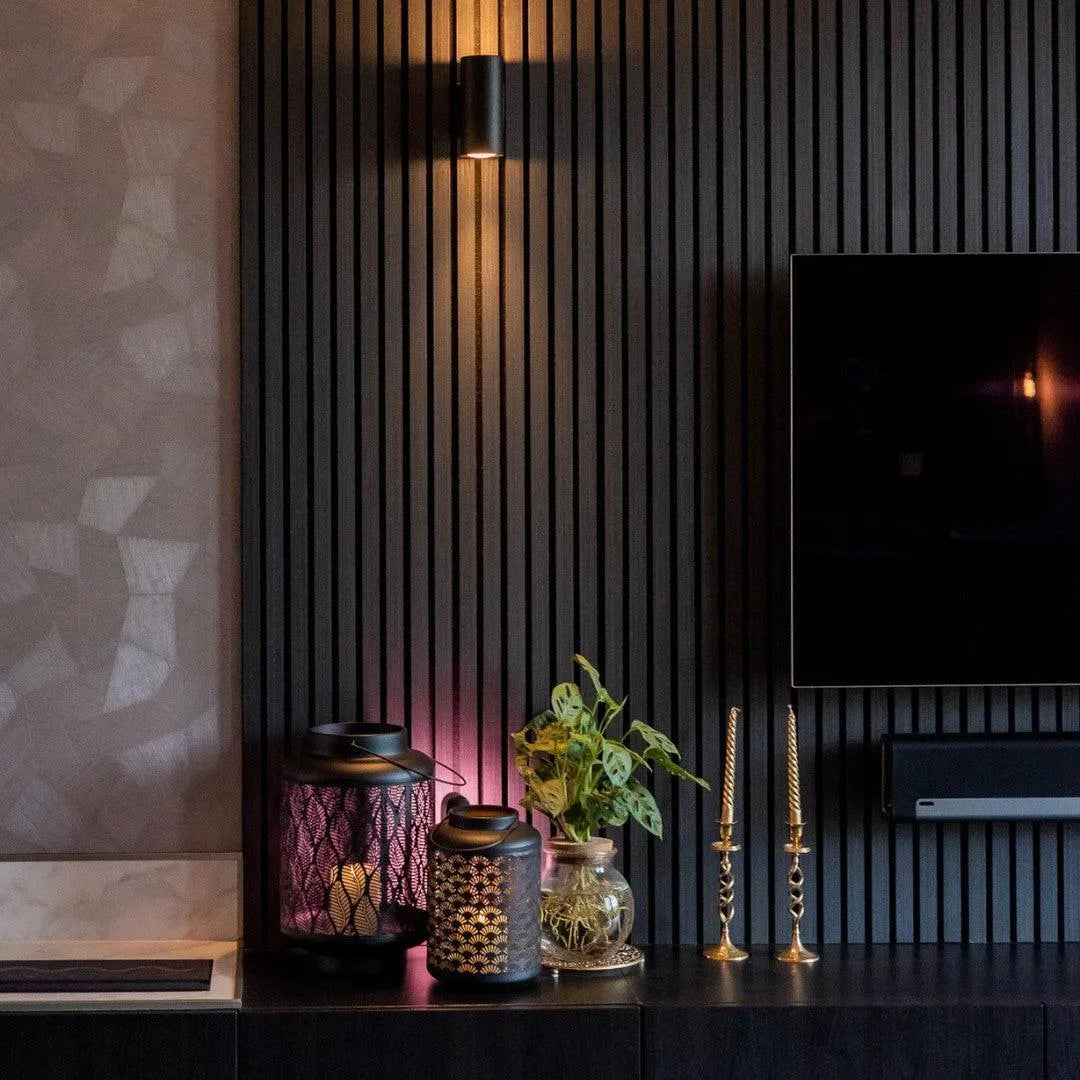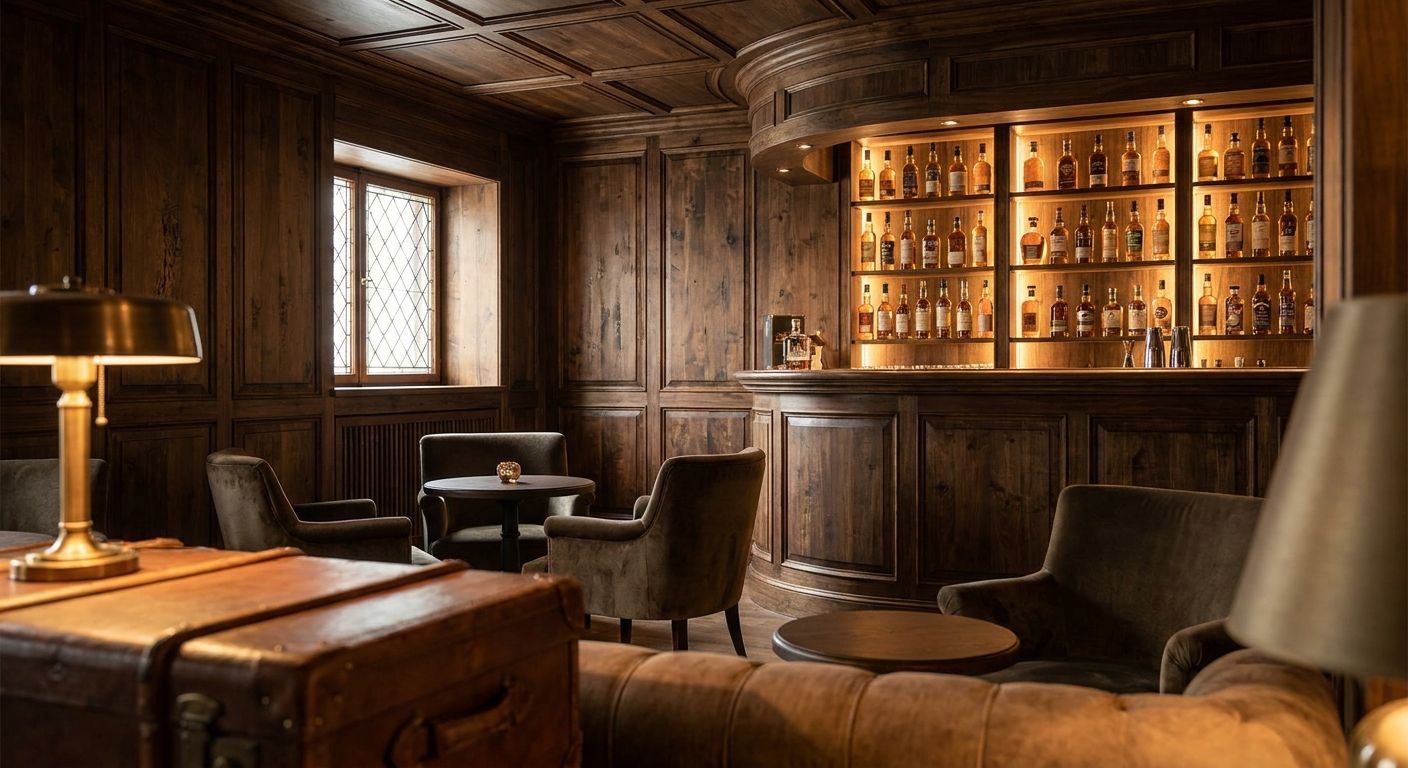
Dim lighting, dark wood, and a room quiet enough to hear ice crack in a glass — that's the brief for every boutique whisky bar and speakeasy build-out, and slat wall panels are doing more of that work than most owners realize in 2026.
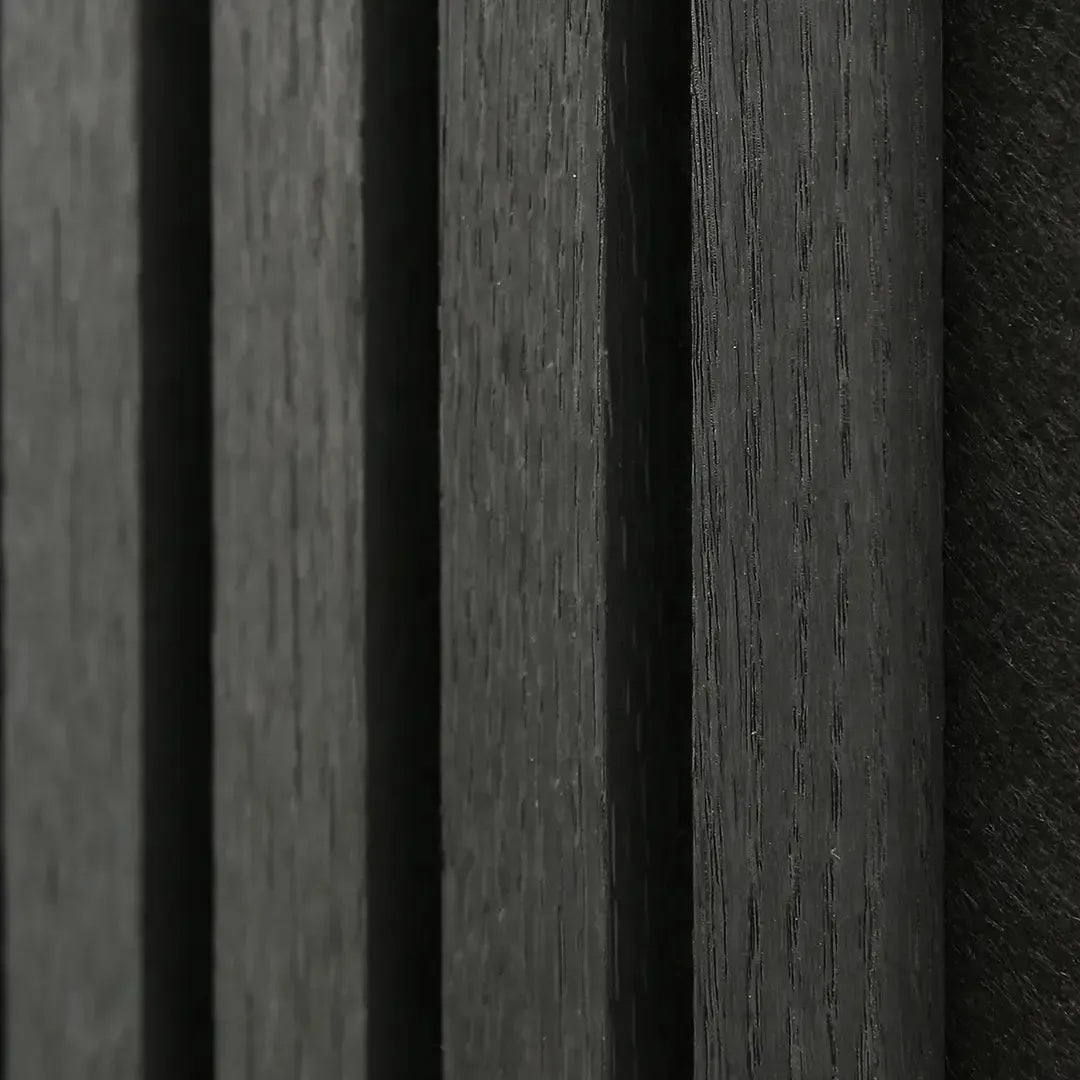
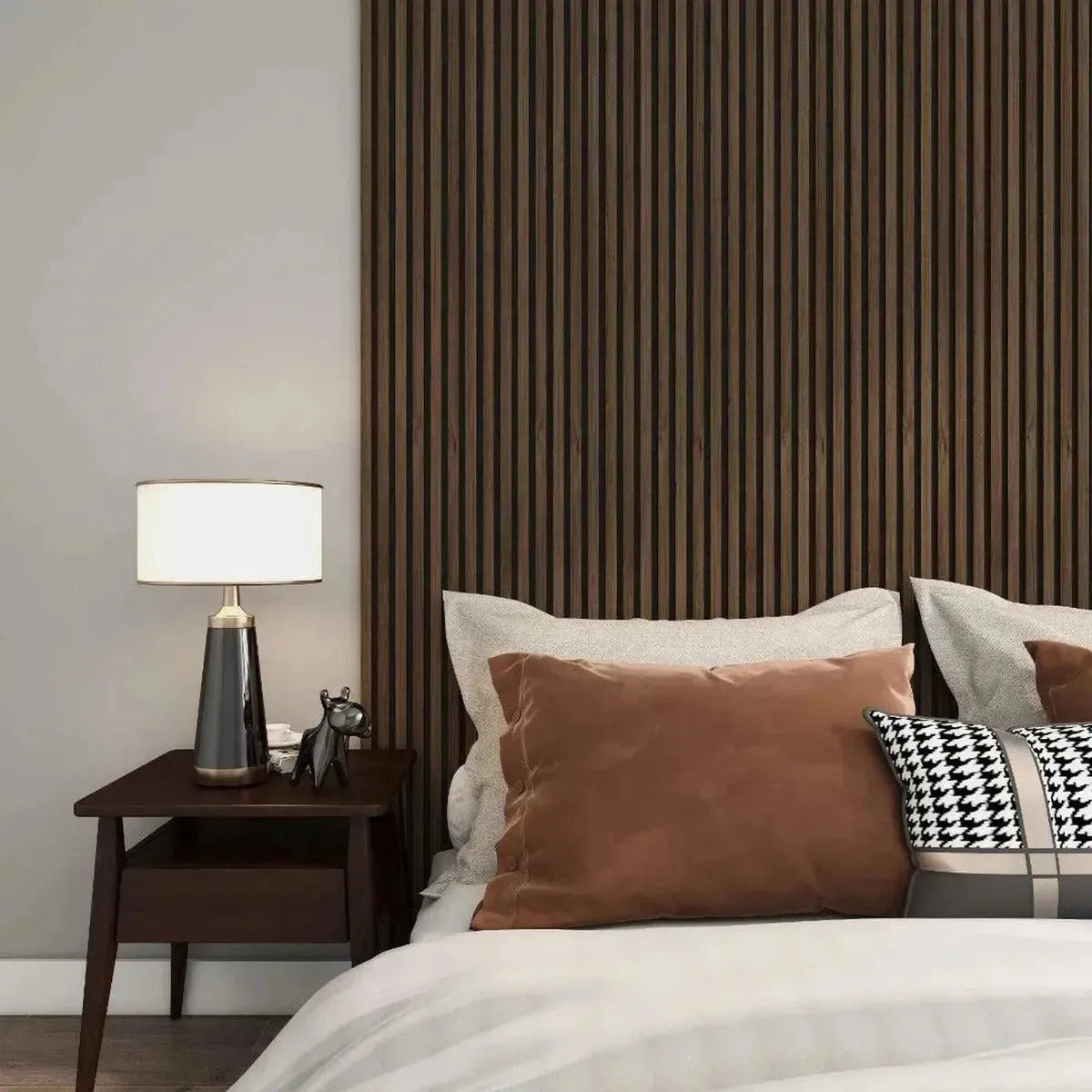
- Black Oak acoustic slat wall panels are the safe buy for speakeasy back-bars at $177.95 per panel.
- Smoked Oak wins on mood lighting but shows less grain contrast under warm bulbs than Black Oak.
- Hexagon panels with gray felt backing carry a 0.75 NRC rating, useful in tight rooms with hard floors.
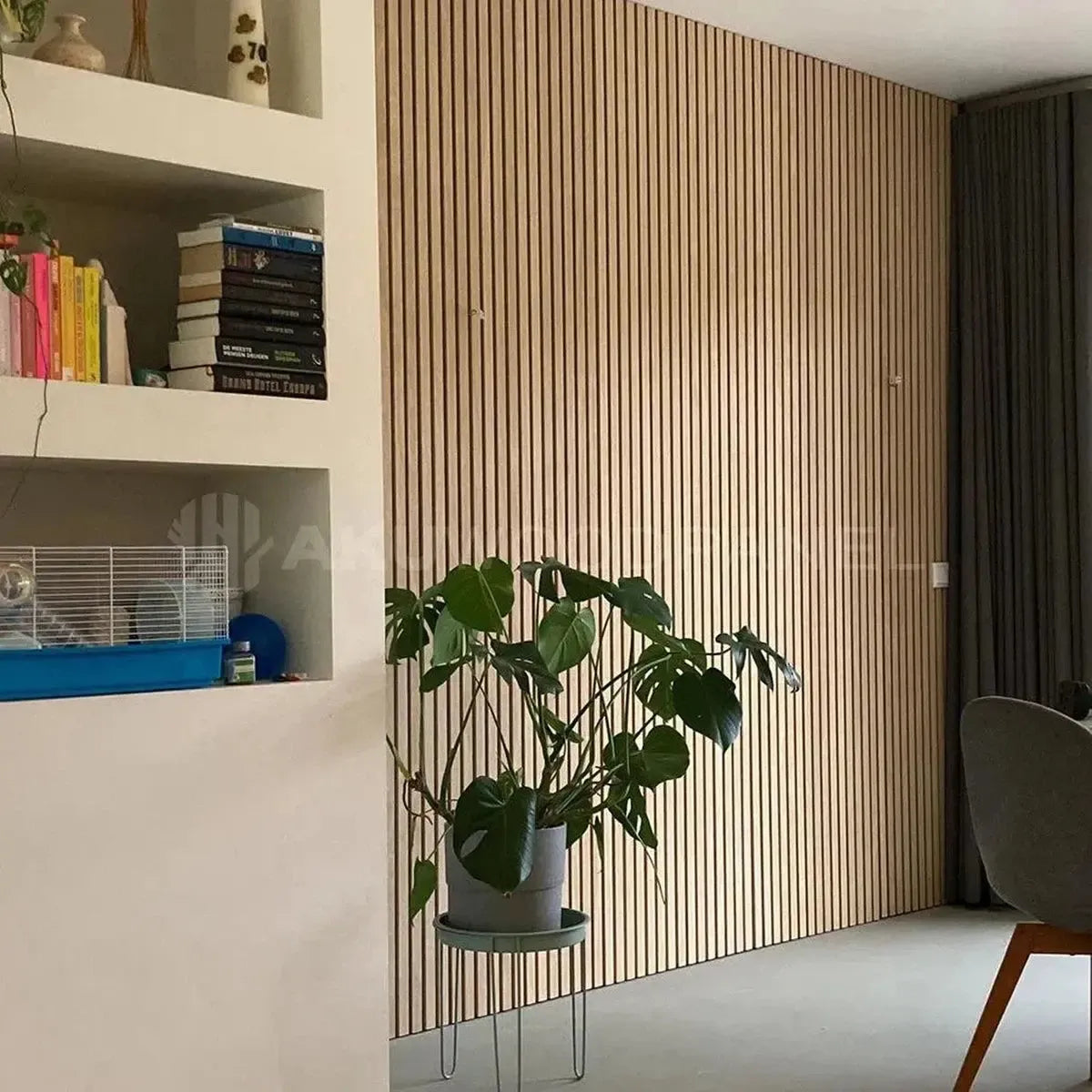
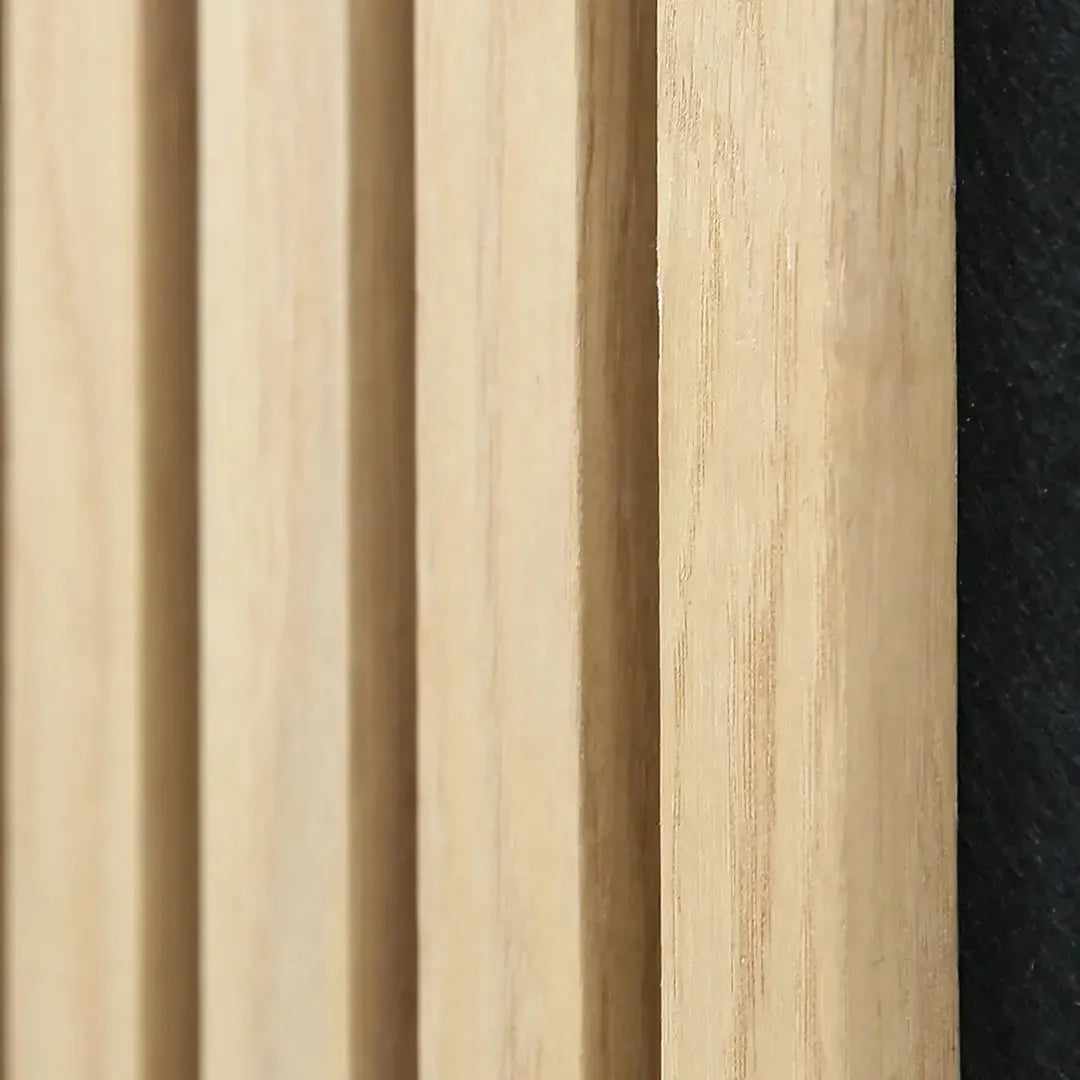
- Skip light natural oak and laminate imitation panels — both show smudges and wear fast near a bar top.
Why this matters
A speakeasy or boutique whisky bar lives or dies on atmosphere, and atmosphere is 40% visual and 60% acoustic once the room fills past 20 people. AKU Woodpanel builds acoustic slat wall panels specifically for rooms where echo kills conversation and cheap laminate finishes read as cheap under bar lighting within a year. Hard surfaces — brick, concrete, glass back-bars — bounce sound and turn a 30-seat room into a shouting match by 9pm. Real wood veneer over an acoustic felt or foam core solves both problems at once: it absorbs sound and it looks expensive under low, warm light, which is exactly the look most speakeasy concepts are chasing in 2026.
Who this is for
This guide is for bar owners, hospitality designers, and contractors specifying wall finishes for a boutique whisky bar, cocktail den, or hidden speakeasy concept — typically a room under 1,500 square feet where noise control, moody finishes, and fast install timelines all matter more than they would in a big open taproom. If you're choosing between drywall paint, laminate panel kits, and real wood veneer for a back-bar or seating wall, this is the comparison you need before you sign a purchase order.
What to look for in wood panels for a speakeasy interior
Dark, low-glare finish
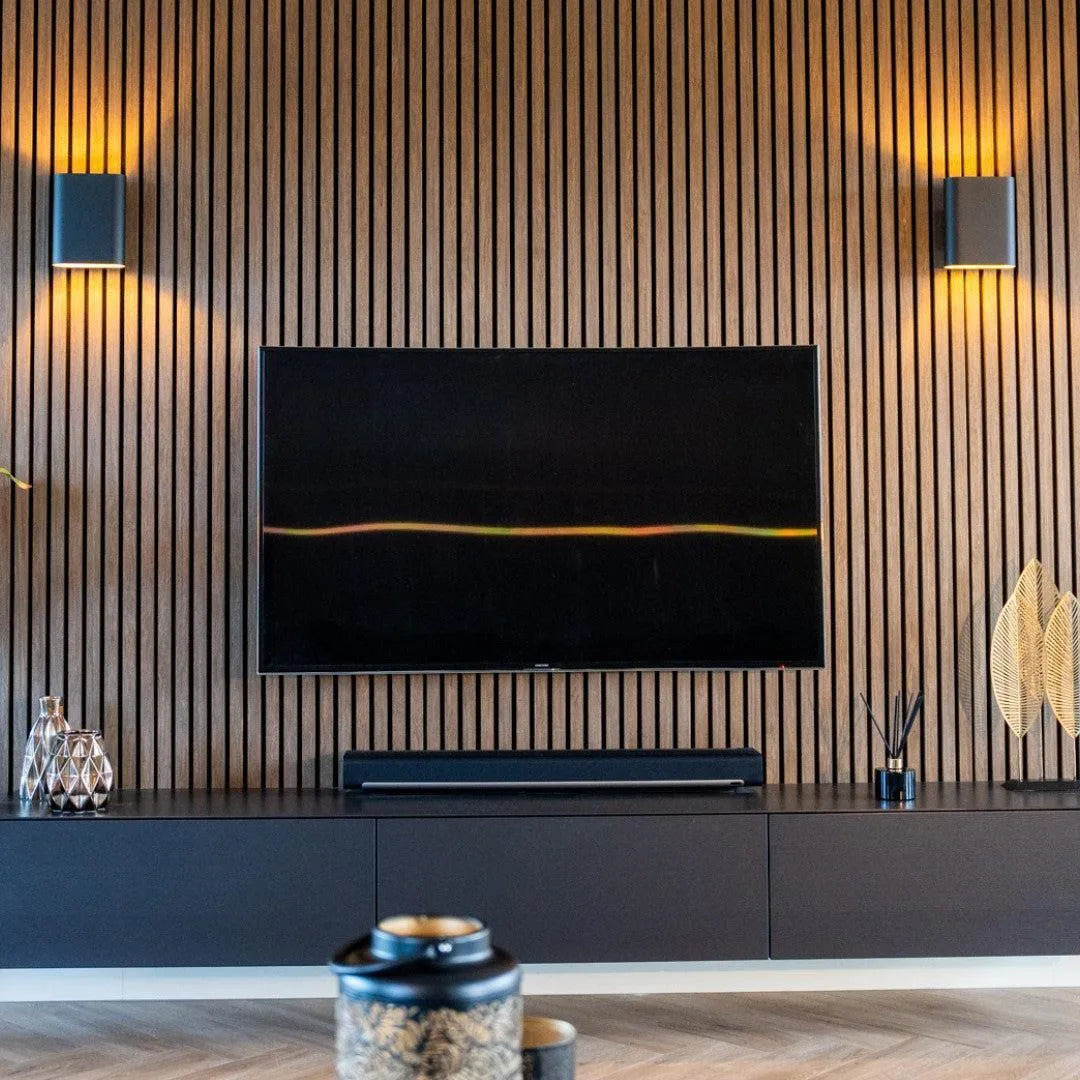
Speakeasy lighting sits at 2200-2700K and stays dim on purpose, which means any panel with a glossy laminate finish throws hot spots back at guests every time a pendant light hits it. Matte, real wood veneer in Black Oak, Smoked Oak, or Walnut absorbs light instead of bouncing it, which keeps the room feeling intimate instead of reflective.
Acoustic performance in a tight room
Most speakeasy rooms run smaller and louder than a standard restaurant floor, so wall treatment has to do real acoustic work, not just look the part. AKU Woodpanel's felt-backed hexagon panels carry a 0.75 NRC rating, which is a meaningful absorption number for a room with hard flooring and no soft furnishings to soak up sound naturally.
Real wood veneer over laminate
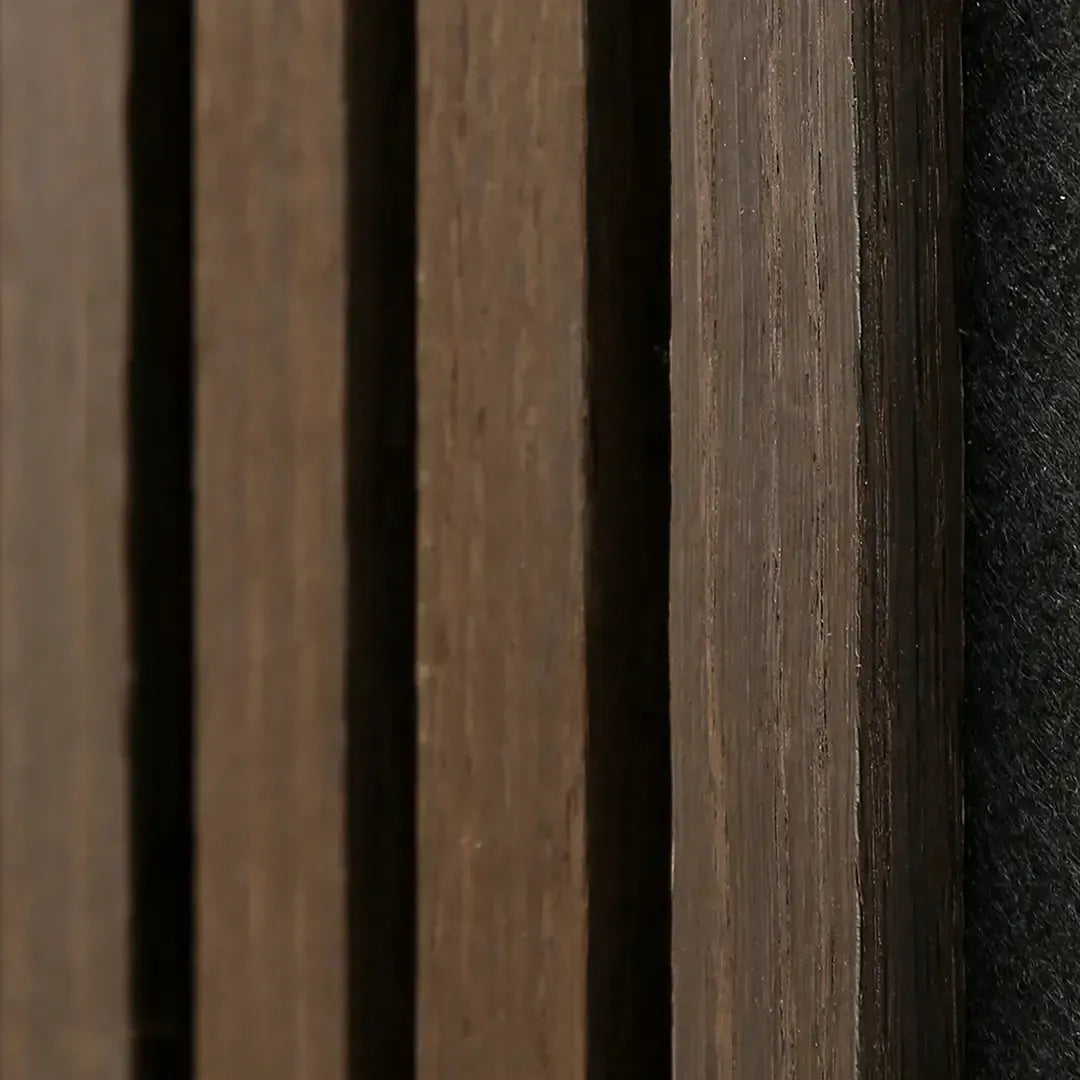
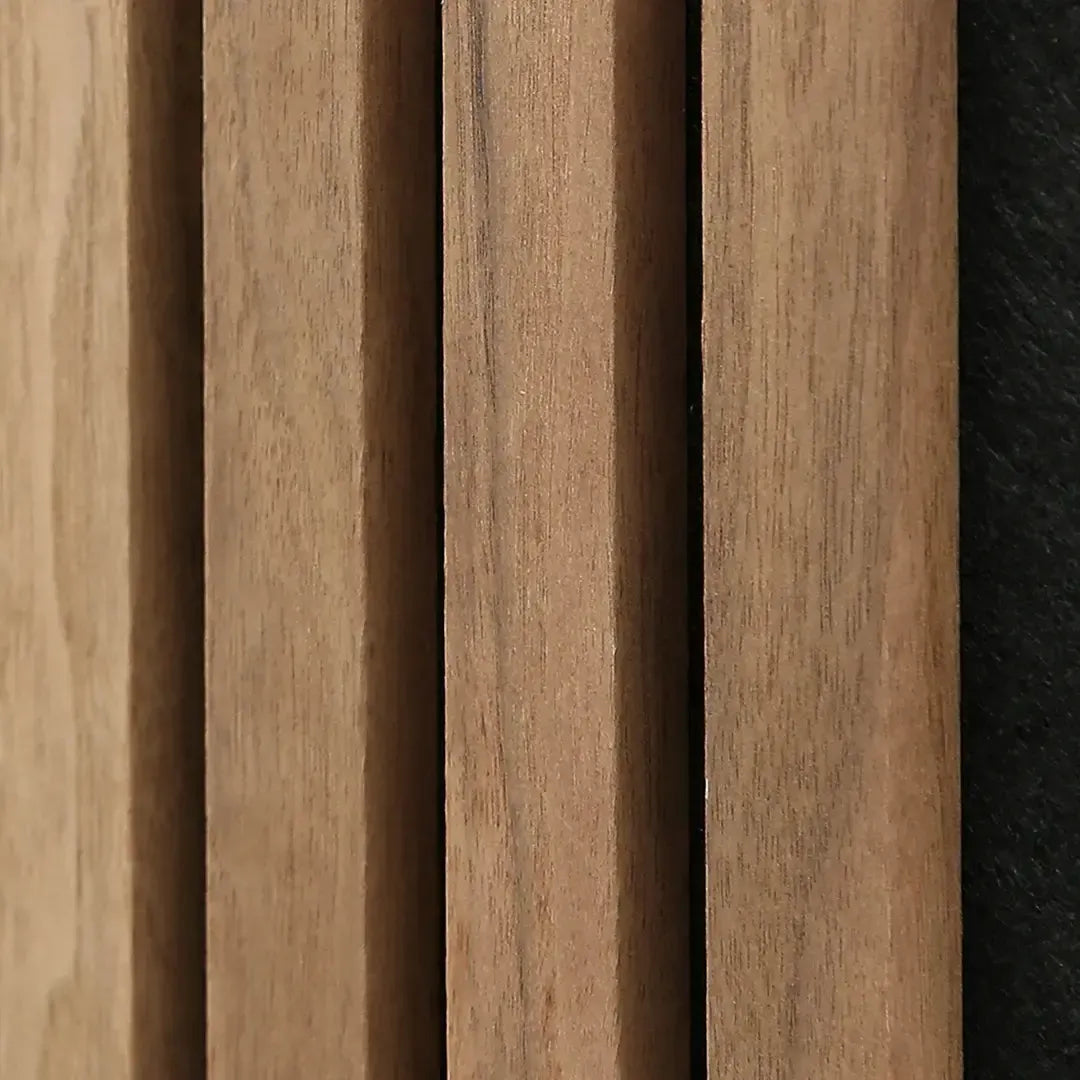
A bar wall takes abuse: spilled whisky, cigar smoke drift, condensation off cold glasses, and constant hand contact near seating. Laminate imitation panels scratch through to a printed layer and can't be spot-repaired; real 3-sided wood veneer over an engineered core sands and refinishes the way solid wood does, which matters over a 5-10 year lease.
Panel format for curved or angled bar fronts
Speakeasy layouts love curved bar fronts, angled banquette walls, and columns — none of which take a flat, rigid panel well. Flexible fluted panels bend around radius walls without visible seams, which flat slat panels can't do without custom cutting.
Fast install inside a tight build-out window
Most bar fit-outs run on a fixed opening date with a general contractor juggling electrical, plumbing, and finish trades in the same two weeks. Panels that click together with tongue-and-groove edges and pre-finished surfaces cut days off a schedule compared to on-site staining and sealing.
Top picks for whisky bar and speakeasy walls
1. Acoustic Slat Wall Panel — Black Oak: the safe pick
Black Oak reads as near-black under warm bar lighting but still shows real wood grain up close, at $177.95 per panel with a genuine 3-sided wood veneer face. It's the finish most speakeasy concepts land on because it hides fingerprints and smudge marks near a bar rail better than any lighter tone. Verdict: Buy — this is the default choice for back-bar walls and low-light seating areas.
2. Acoustic Slat Wall Panel — Smoked Oak: the moody-atmosphere pick
Smoked Oak carries a warmer gray-brown undertone than Black Oak, at $177.95 per panel, and pairs well with brass fixtures and leather banquettes common in whisky bar design. It shows slightly more grain movement in direct light, which some designers want on a feature wall behind bottle displays. Verdict: Consider — pick this over Black Oak if the room leans warmer with brass and leather rather than cool black steel accents.
3. Fluted Wall Panel — Walnut, flexible design: the wildcard
This panel bends to fit curved bar fronts and columns without seams, which flat slat panels can't replicate on a radius wall. Walnut's tighter, darker grain suits a compact speakeasy footprint where every surface needs to feel deliberate rather than filler. Check the fluted Walnut panel page for current sizing before ordering for a curved layout. Verdict: Consider — worth the extra planning time only if the room actually has curved or angled walls to justify it.
4. Hexagon Acoustic Panel — Black: the geometric accent pick
Hexagon Acoustic Panel in Black gives a speakeasy a graphic, honeycomb texture that reads well as a feature wall behind a host stand or a small stage, without competing with slat panels used elsewhere in the room. It's a felt-backed acoustic format, the same family that carries the 0.75 NRC rating on AKU Woodpanel's gray-felt hexagon line. Verdict: Consider — strong as one accent wall, weaker as full-room coverage where it can feel busy.
5. 3D Wood Wall Panel — Deep Dusk Walnut: the small-footprint pick
At $41.95 for a 12x12 inch tile, Deep Dusk Walnut works for tight vestibules, hidden-door entries, and small bar-back niches where a full slat panel run doesn't fit the budget or the wall size. Its individually shaped wood tiles catch light differently than a flat slat, which suits a speakeasy's hidden-entrance theatrics. Verdict: Buy — the right call for entryways and small accent zones, not for full seating walls.
What to avoid
- Light natural oak under warm bar lighting — it photographs well in daylight showrooms but shows every fingerprint and water ring within weeks of nightly service.
- Laminate imitation wood panels — the printed wood-grain layer scratches through fast near bar rails and can't be sanded out like real veneer.
- Full-gloss finishes anywhere near seating — gloss bounces pendant and sconce light straight back at guests, which fights the low-glare mood a speakeasy is built around.
For a deeper look at commercial bar wall finishes beyond whisky-specific concepts, the wood wall panels for commercial bar fit-outs guide covers panel selection across a wider range of bar formats.


Verdict comparison
| Pick | Finish tone | Format | Best for | Verdict |
|---|---|---|---|---|
| Black Oak Slat Panel | Near-black, matte | Slat, tongue-and-groove | Back-bar and seating walls | Buy |
| Smoked Oak Slat Panel | Warm gray-brown | Slat, tongue-and-groove | Feature walls with brass/leather | Consider |
| Walnut Fluted Panel | Dark, tight grain | Flexible fluted | Curved bar fronts and columns | Consider |
| Hexagon Acoustic Panel (Black) | Black, felt-backed | Geometric tile | Accent walls, small stages | Consider |
| Deep Dusk Walnut 3D Tile | Dark walnut | 12x12 tile | Entryways and small niches | Buy |
FAQ
What's the best wood panel finish for a speakeasy interior?
Black Oak and Smoked Oak acoustic slat panels are the top picks for speakeasy interiors in 2026 because their dark, matte finish hides glare under low bar lighting. Both run $177.95 per panel with real 3-sided wood veneer faces.
Do acoustic wood panels actually reduce noise in a whisky bar?
Yes — felt-backed acoustic panels like AKU Woodpanel's hexagon line carry a 0.75 NRC rating, which measurably cuts echo in rooms with hard flooring and no soft furnishings. That's a meaningful absorption number for a small, loud speakeasy footprint.
Is real wood veneer better than laminate wood panels for bars?
Real wood veneer holds up better than laminate near a bar because it can be sanded and refinished, while laminate scratches through to a printed layer it can't repair. Over a 5-10 year lease, veneer panels cost less in replacement over time.
How much do acoustic wood wall panels cost for a bar build-out in 2026?
AKU Woodpanel's acoustic slat panels run from $169.95 to $182.95 depending on finish, with smaller 3D wood tiles starting around $41.95 per 12x12 tile. Total cost depends on square footage and how much of the room gets covered.
Can wood slat panels handle a smoky, high-alcohol bar environment?
Real wood veneer panels handle incidental spills and smoke drift better than laminate because the finish can be wiped and, if needed, refinished rather than replaced. Placement away from direct splash zones near taps still extends panel life.
What NRC rating do you need for a loud speakeasy?
A 0.75 NRC rating, like AKU Woodpanel's felt-backed hexagon panels carry, is a strong benchmark for a small room with hard flooring and minimal soft furnishing. Rooms with carpet or heavy drapery can get by with lower-NRC wall treatment.
How long does it take to install slat wall panels behind a bar?
Pre-finished, tongue-and-groove slat panels install faster than on-site staining and sealing because there's no drying or curing time before the wall is guest-ready. Exact timelines depend on wall prep and total square footage.
Should a whisky bar use black oak or walnut panels?
Black Oak suits rooms built around black steel and cool tones, while Walnut suits rooms with brass fixtures and warmer leather finishes. Both are dark enough to hide fingerprints and glare under low speakeasy lighting.
One last thing
The detail most bar owners miss: the 0.75 NRC rating on AKU Woodpanel's felt-backed hexagon panels only performs at that level with a real air gap behind the panel, not when mounted flush against drywall — furring strips add 30-45 minutes to install but make the acoustic spec real instead of theoretical.
 Better performance and aesthetic appeal
 In Stock