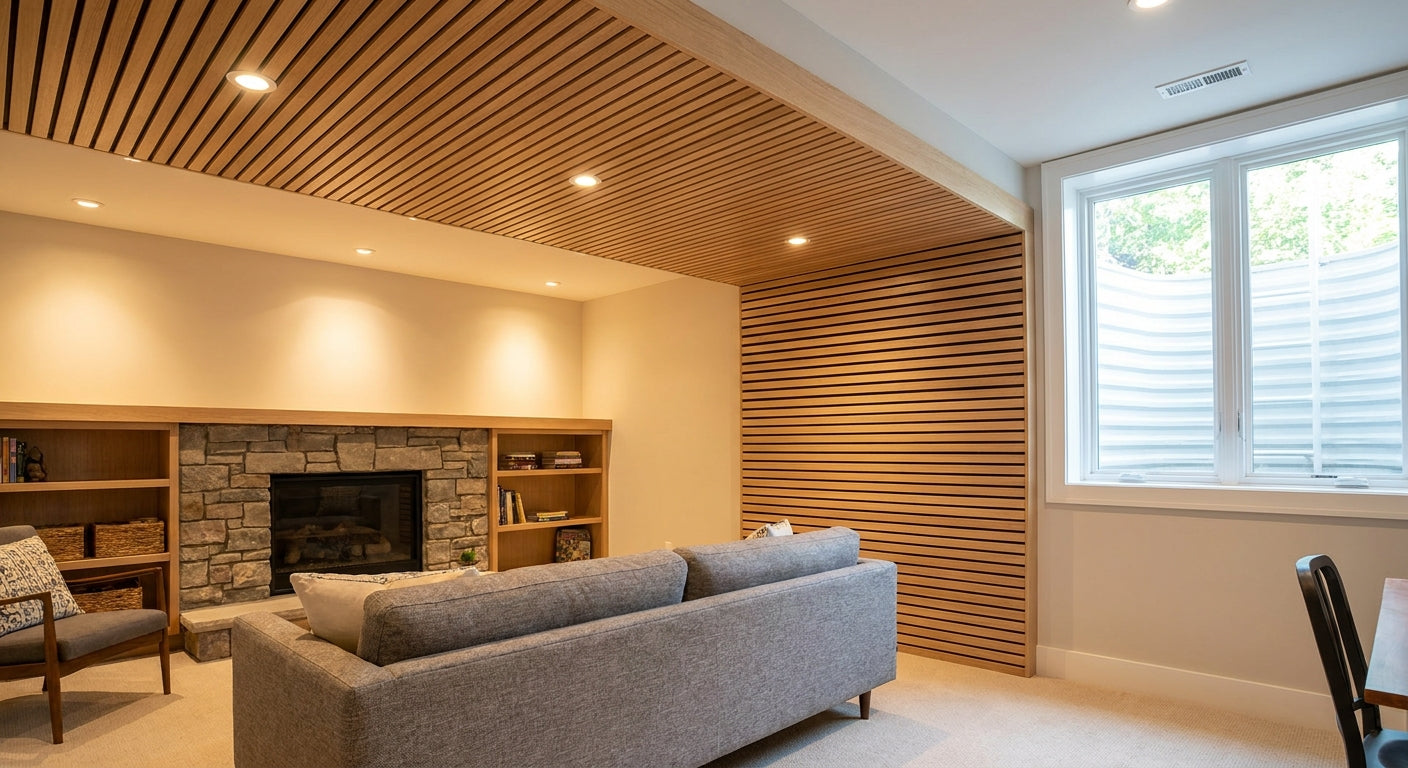
Basement ceilings fight three problems at once: low headroom, exposed ductwork, and echo off concrete and drywall. Wood wall panels solve all three when you pick the right profile, and this list ranks the options that actually work overhead instead of just on a feature wall.
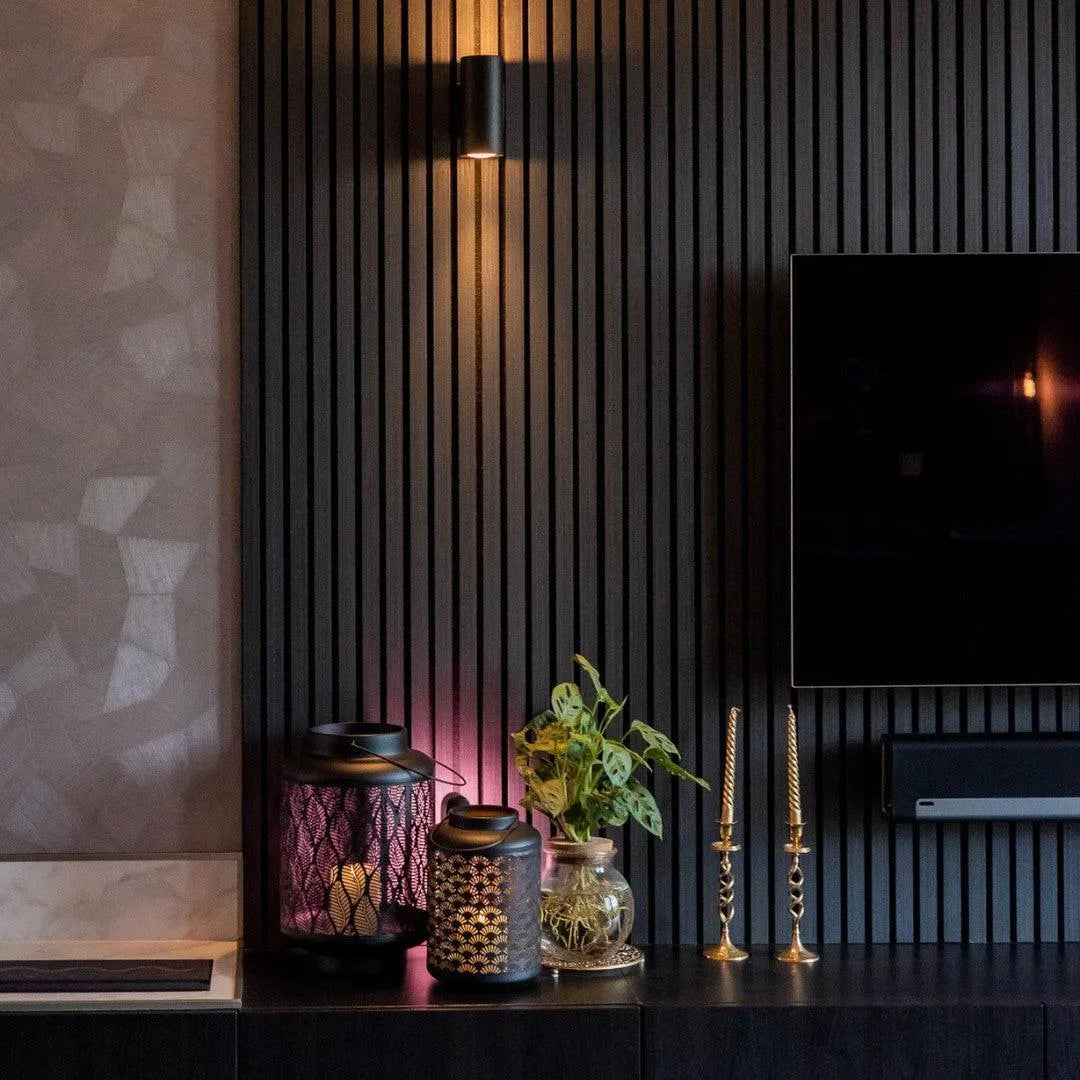
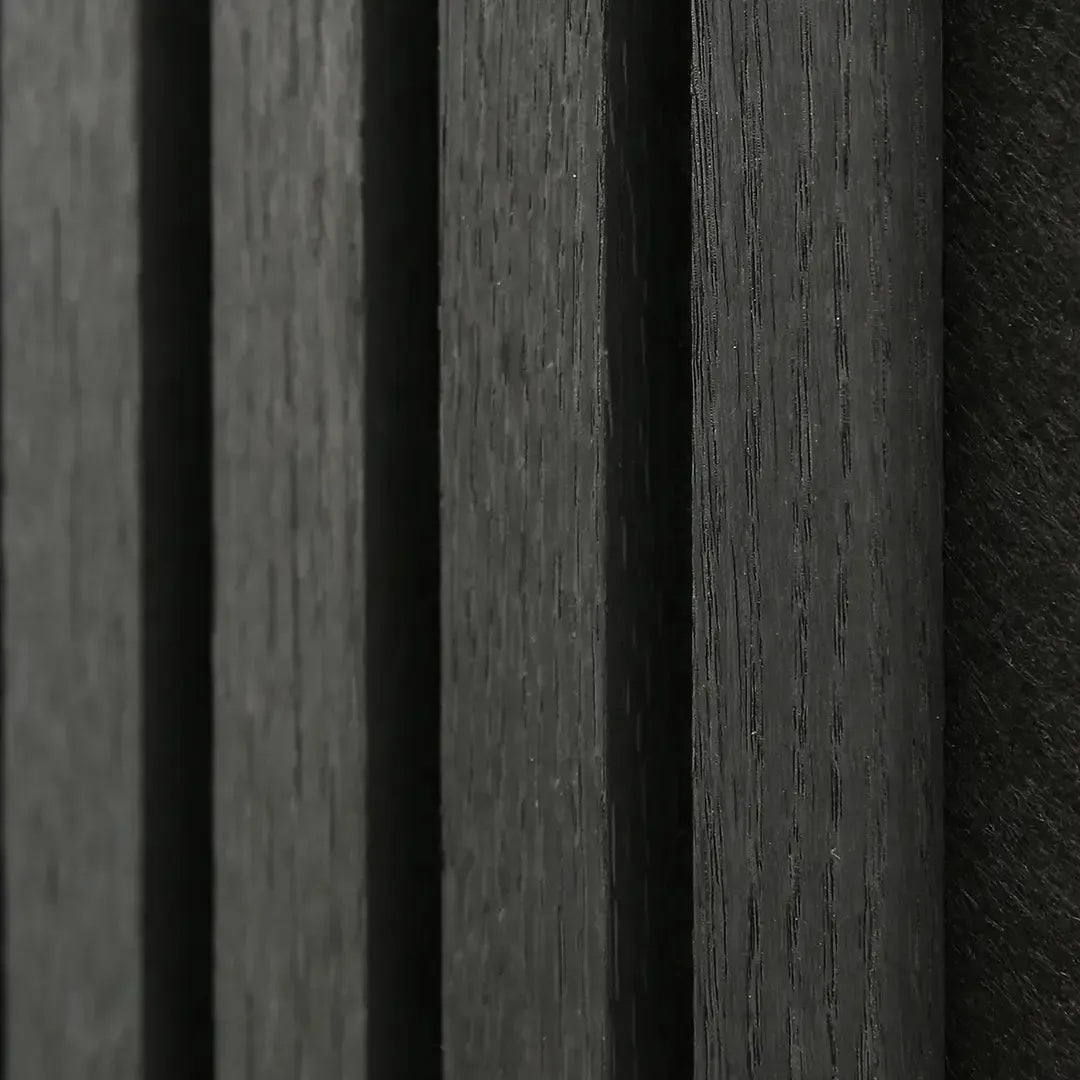
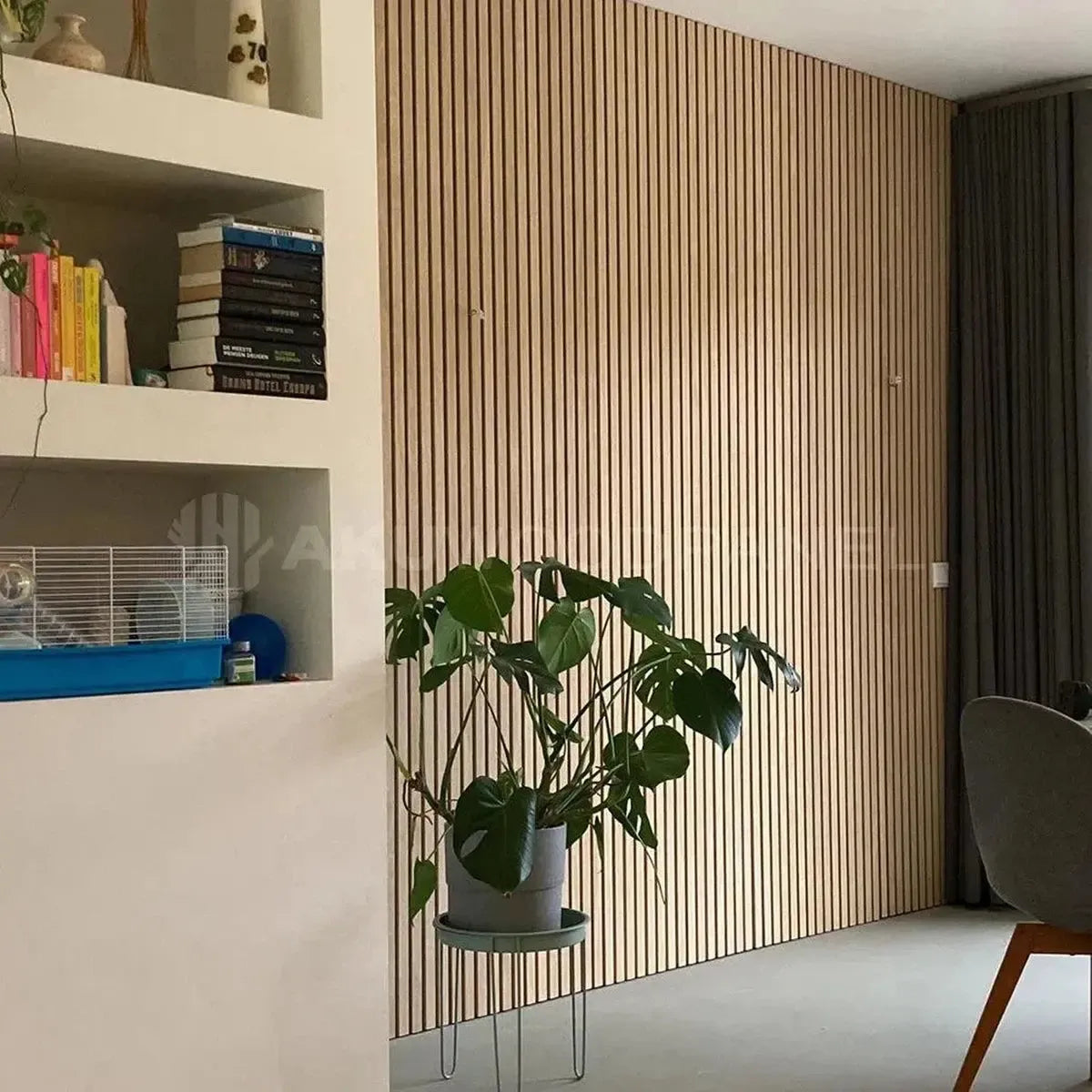
TL;DR: For most basement ceilings in 2026, the AKU Woodpanel Acoustic Slat Wall Panel in Natural Oak with Gray Felt is the safe buy — it cuts echo, hides pipe runs, and reads warm under recessed lighting. The Smoked Oak Acoustic Slat Wall Panel is the pick for basement home theaters chasing a darker, moodier ceiling. Skip anything without felt backing if noise is your actual complaint, not just looks. Wood wall panels for basement ceiling cladding work best when the profile matches the room's real job — media room, laundry, or finished rec space — not just the photo you saved.
Why this matters
A standard basement ceiling sits around 7 feet from the slab, sometimes less once you account for beams and ductwork. Drop a suspended tile ceiling and you lose another 3 to 4 inches of headroom just to hide the mechanicals. Wood slat panels mount closer to the joists, so you keep more of that clearance while still covering wiring and pipe runs.
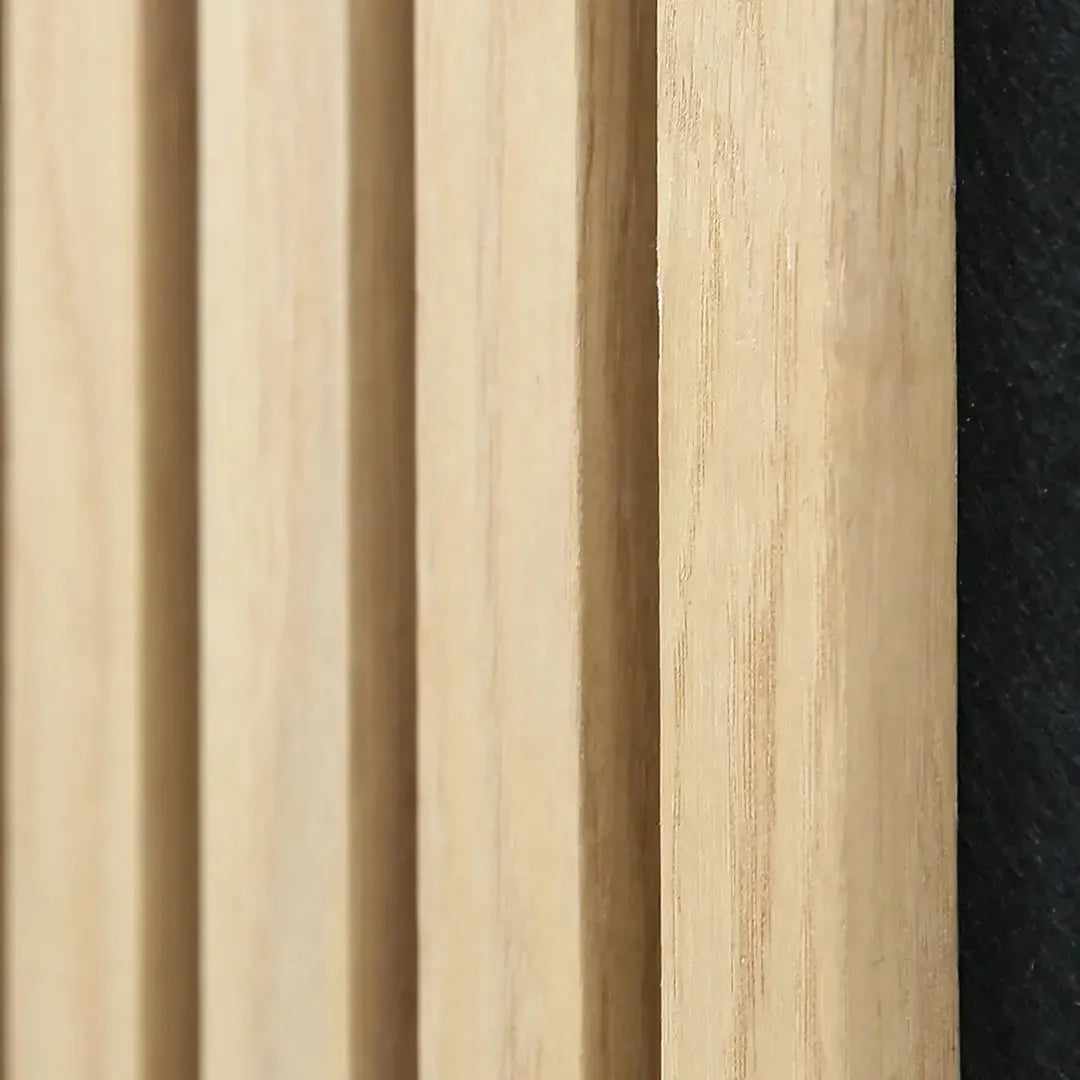
The acoustic problem is separate from the headroom problem, and basements make both worse. Concrete floors and drywall ceilings reflect sound instead of absorbing it, which is why TV dialogue turns to mush and a home theater in the basement sounds harsher than the same setup upstairs. A felt-backed Natural Oak acoustic slat wall panel addresses both issues at once — it covers the ceiling and knocks down the slap-back echo that concrete basements are known for.
How we ranked these
Every pick below gets judged on four things that matter specifically for a basement ceiling: how much clearance the profile eats, whether the panel actually deadens sound or is decorative only, how the finish holds up in a room prone to humidity swings, and how forgiving the panel is to install overhead versus on a wall. Panels that only make sense as vertical feature walls got cut, even if they're strong sellers elsewhere in the catalog. The goal here is a ceiling-specific shortlist, not a general wood panel roundup.
The ranked list
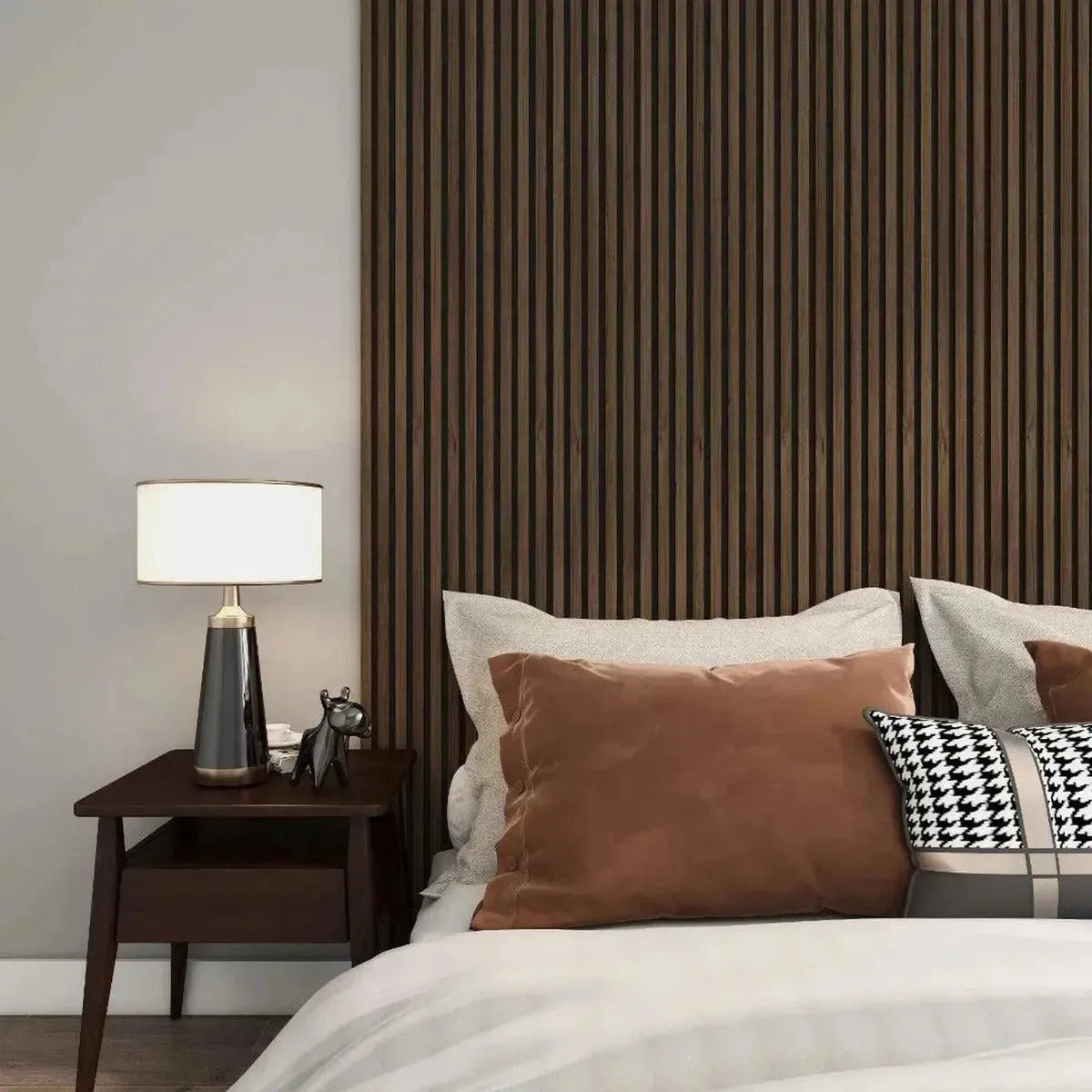
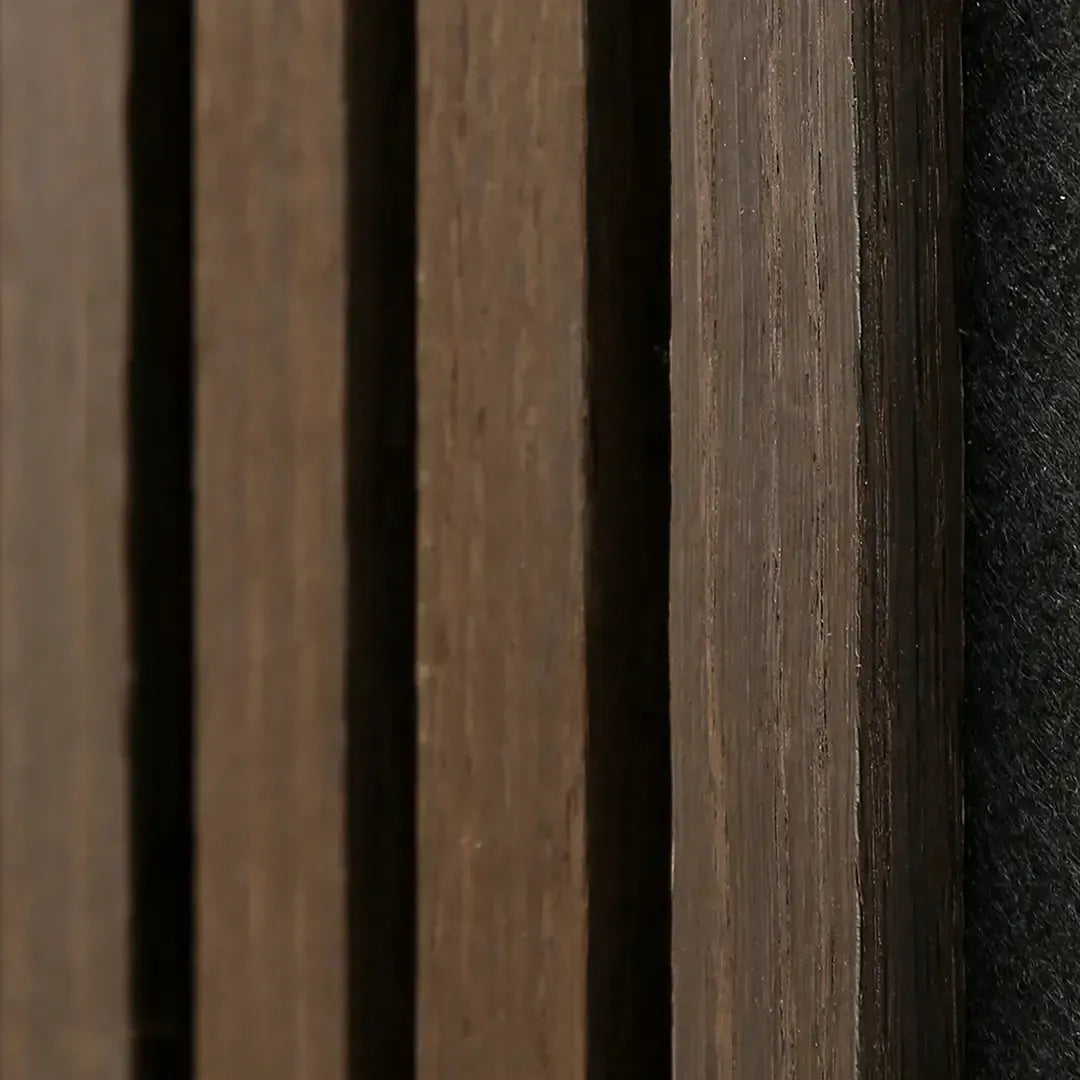
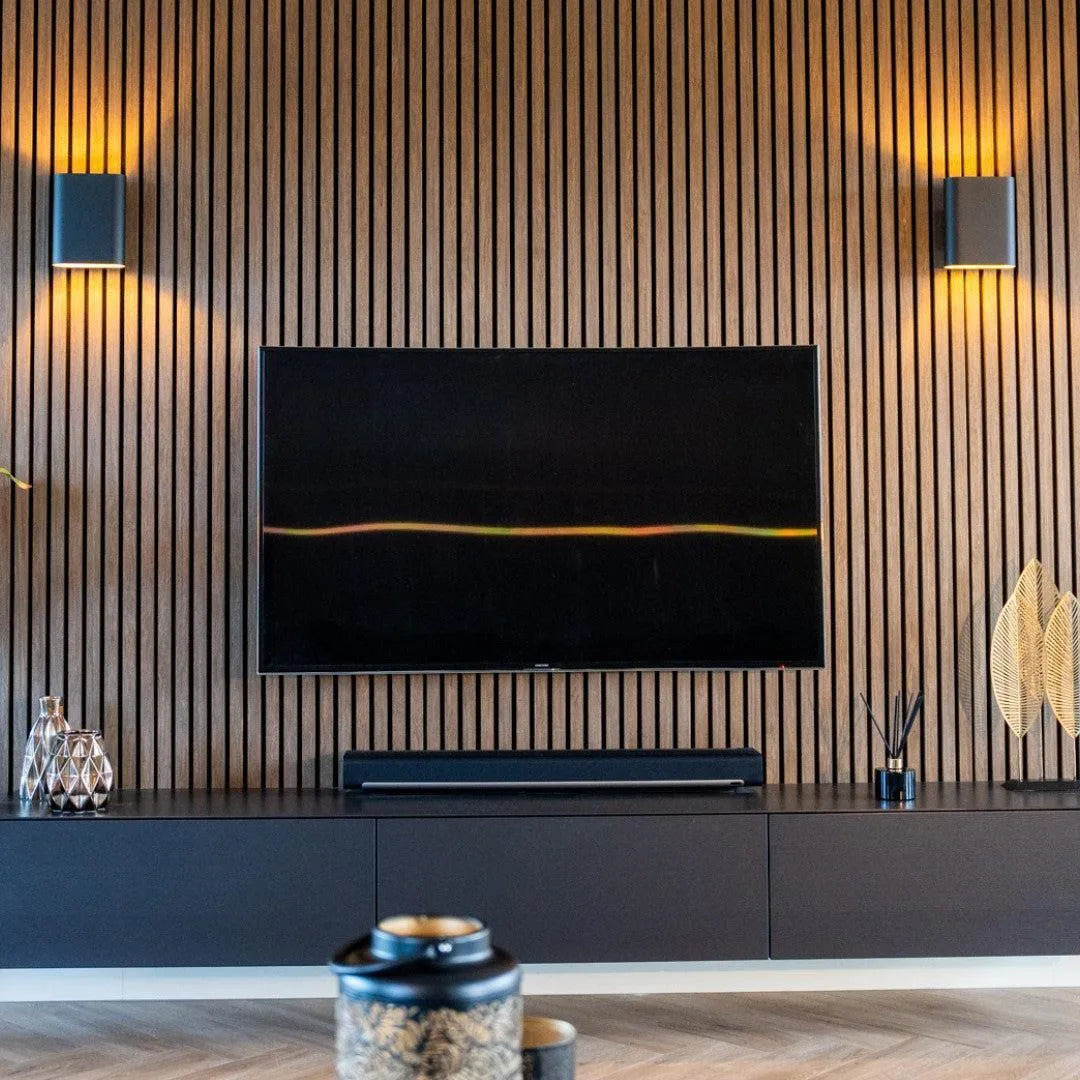
1. Acoustic Slat Wall Panel — Natural Oak with Gray Felt The safe pick, and the one that shows up most often in finished basement projects. The gray felt backing sits directly behind the oak slats, so the acoustic layer and the finish layer install as one piece instead of two separate jobs. It reads warm under can lights without going heavy or dark, which matters in a room that already gets less natural light than the floors above it. Buy if you want one ceiling panel that works for a rec room, home office, or laundry-adjacent space without overcommitting to a theme.
2. Acoustic Slat Wall Panel — Smoked Oak The home theater pick. Smoked oak reads darker and less reflective under a projector, which is exactly what a dedicated screening room wants from its ceiling. It pairs with black trim and low-profile can lights better than the natural tones do, and it hides dust and minor marks better over years of use than a pale finish would. Buy for basement home theaters and media rooms specifically; consider something lighter for a multi-use rec room.
3. Hexagon Acoustic Panel — Walnut The wildcard. Hexagon geometry breaks up a flat ceiling plane in a way slats can't, and it reads as a deliberate design choice rather than a cover-up for ductwork. It takes longer to lay out because the pattern needs planning before the first piece goes up, and it's a harder DIY job overhead than on a wall. Consider it for a statement ceiling section over a bar or seating area; skip it for a full-ceiling install if this is your first panel project.
4. Fluted Wall Panel — Natural Oak The budget-texture pick. Fluted panels give you dimension and shadow lines without the layout math hexagons demand, and they run vertically or across a ceiling with a simpler repeat. They don't carry the felt acoustic backing the slat line does, so echo control is weaker. Consider for a basement with decent existing acoustics that just needs a texture upgrade; skip if noise is the primary complaint.
5. Full Sample Box — Slat Wall Panel Not a ceiling panel itself, but the smartest first move before you commit. Basement lighting runs cooler and dimmer than upstairs, and finishes that look right in a showroom photo can shift under a basement's typical LED strip or recessed can setup. Ordering the full sample box before buying enough panels for an entire ceiling is the cheapest insurance in this whole project. Buy before you buy anything else on this list.
Comparison at a glance
| Pick | Clearance impact | Acoustic benefit | Best for | Verdict |
|---|---|---|---|---|
| Natural Oak w/ Gray Felt Slat | Low | High (felt-backed) | Rec rooms, offices | Buy |
| Smoked Oak Slat | Low | High (felt-backed) | Home theaters | Buy |
| Hexagon Walnut | Moderate | Moderate | Statement ceiling sections | Consider |
| Fluted Natural Oak | Low | Low (no felt) | Texture-only upgrades | Consider |
| Full Sample Box | N/A | N/A | Pre-purchase testing | Buy first |
What to avoid
- Anything without a felt or acoustic backing if echo is the actual complaint — a fluted or 3D panel looks similar in photos but won't touch the reverberation problem.
- Panels ordered from mismatched batches — wood veneer varies by run, and a basement ceiling under even lighting shows color inconsistency more than a shadowed wall does.
- Skipping the furring strip layout — most basement joists don't line up on a clean 16-inch on-center grid the way framed walls do, so measure before you order panel count, not after.
Where to buy wood wall panels for a basement ceiling
- Order the sample box first, always. Basement lighting is unlike anywhere else in the house, and a finish that reads warm upstairs can look flat under a single basement can light.
- Buy from one batch for the whole ceiling. Veneer lots vary, and a full ceiling under even light shows seams between batches more than a vertical wall does.
- Confirm felt-backed vs. non-felt before checkout, since the acoustic and non-acoustic slat lines look nearly identical in a product photo but perform very differently overhead.
If you want a deeper look at ceiling-specific layout, the guide on creating a ceiling feature with slat wall panels walks through furring strip spacing and panel direction in more detail than fits here.
FAQ
What's the best wood wall panel for a basement ceiling? For most finished basements in 2026, a felt-backed acoustic slat panel in natural oak is the best all-around choice — it controls echo and keeps the room from reading dark. For a dedicated home theater, smoked oak is the stronger pick for light control.
Do wood ceiling panels reduce noise between floors? Felt-backed acoustic slat panels reduce in-room reverberation and slap echo, but they are not a substitute for insulation between floor joists if the goal is blocking sound transfer to the level above.
How much ceiling height do slat panels take up? Slat panels mount close to the joists on furring strips and typically cost far less clearance than a suspended tile system, which commonly drops a ceiling 3 to 4 inches on its own.
Are fluted panels good for a basement ceiling? Fluted panels add texture and work fine on ceilings with decent existing acoustics, but they don't carry the felt backing that slat panels do, so they're a weaker pick if noise is the main issue.
Can I install wood panels directly under exposed basement ductwork? Panels mount to furring strips run perpendicular to the joists, which lets you box around ductwork and pipe runs rather than removing them, though tight clearances may need a professional check before install.
Is smoked oak or natural oak better for a basement home theater? Smoked oak wins for dedicated theaters because it reflects less projector light and hides wear better in a room with the lights mostly off.
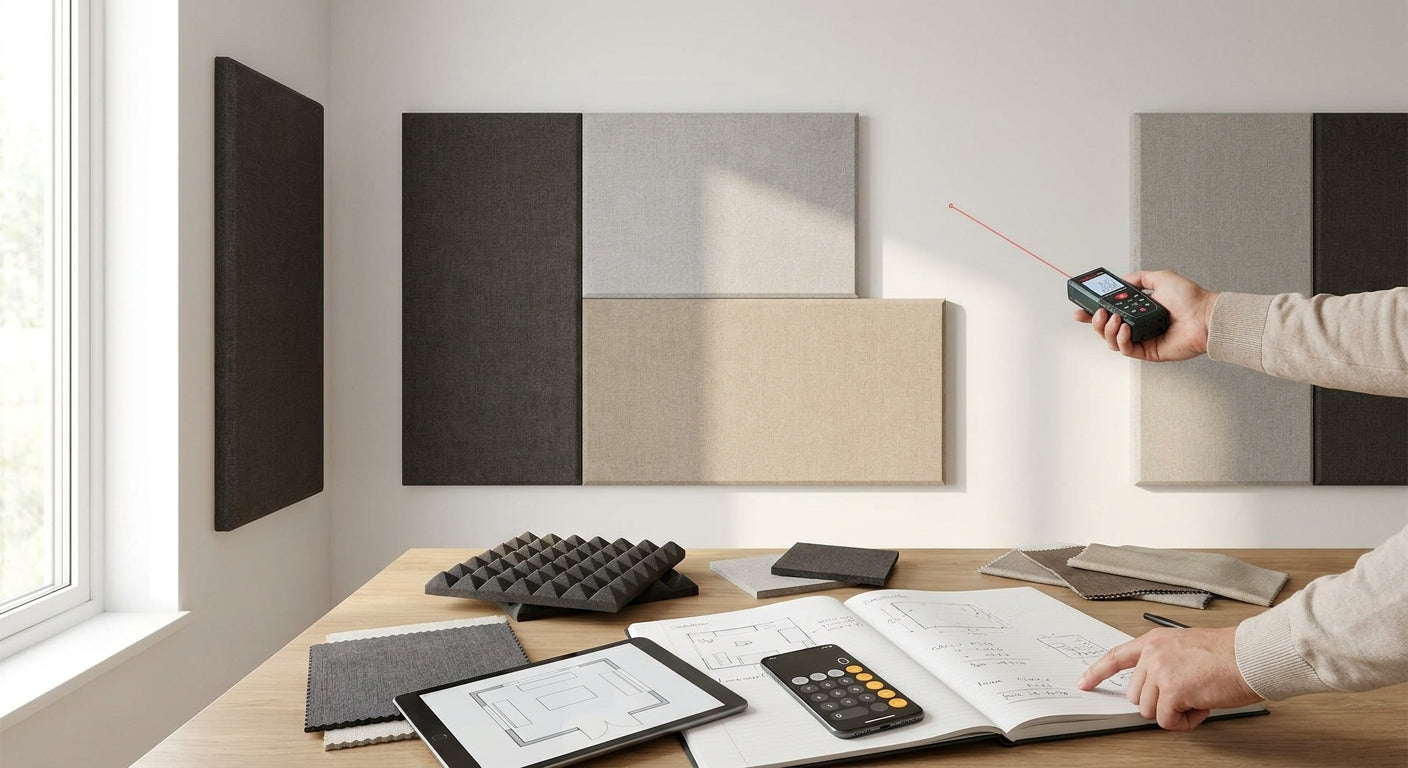
How do I know how many panels I need for a basement ceiling? Measure square footage and factor in furring strip layout before ordering; a sample box lets you confirm color and finish before committing to full ceiling coverage.
Do basement ceiling panels need special humidity handling? Basements run more humid than upper floors year-round, so a finished, sealed basement with normal humidity control works fine for standard wood veneer panels; unfinished or damp basements should address moisture first.
One last thing
The detail most people miss on a basement ceiling job: panel direction changes how low the room feels. Running slats perpendicular to the joists in the direction of the room's longest sightline makes a 7-foot basement ceiling read taller than running them the short way, even though the actual clearance doesn't change. It's a five-minute decision made before the first furring strip goes up, and it's the one nobody thinks to plan for until the ceiling's already installed.
For basement-specific acoustic setups beyond the ceiling itself, the breakdown on acoustic slat panels for basement home theaters covers wall-and-ceiling combinations that go further than a ceiling-only install.



 Better performance and aesthetic appeal
 In Stock