Wabi-sabi rooms reward imperfection: visible grain, uneven tone, and texture that looks lived-in rather than lacquered. This guide ranks the slat wall panels for wabi-sabi interior design that hold up to that standard in 2026, based on grain visibility, tonal depth, and how each panel behaves once it's mounted and lit.
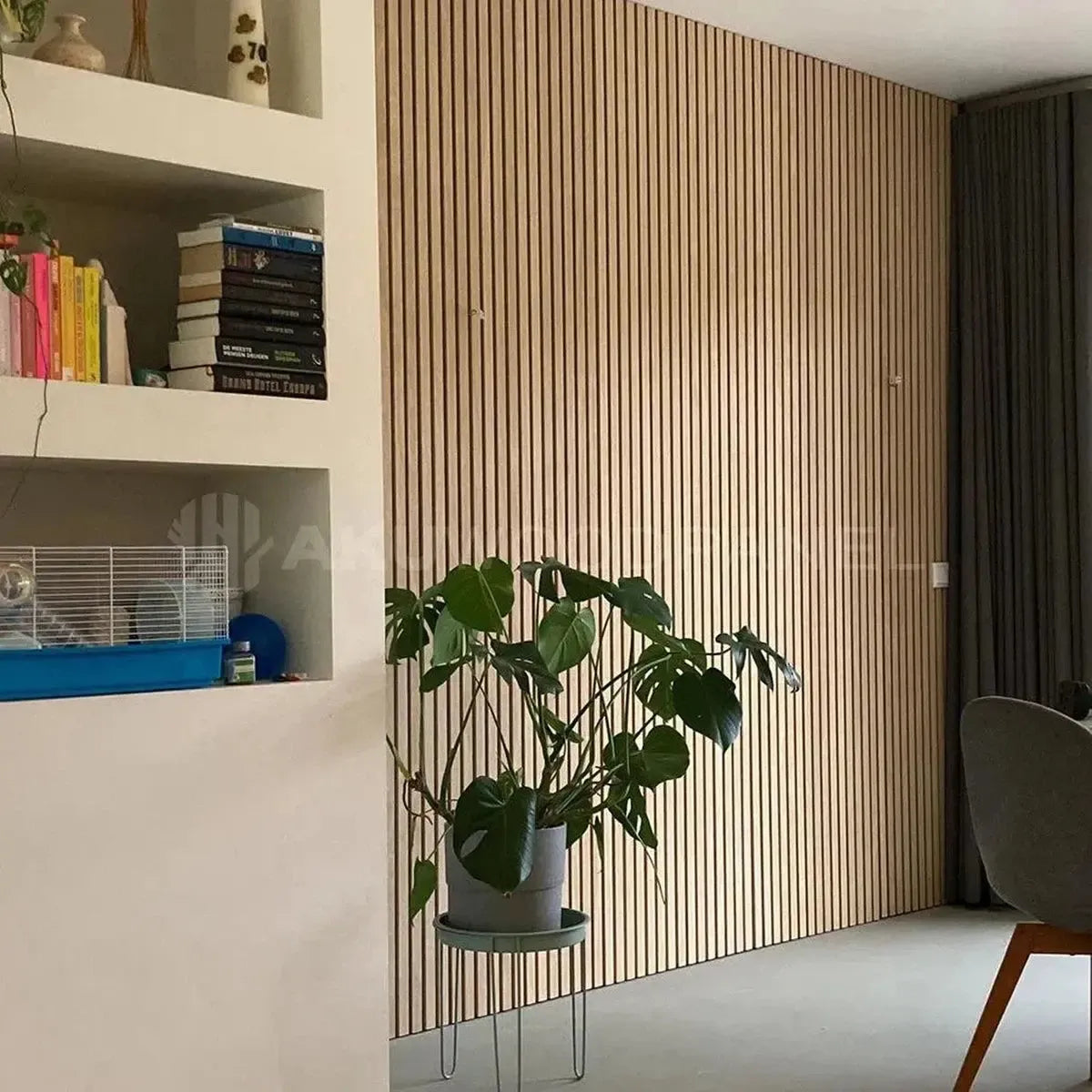
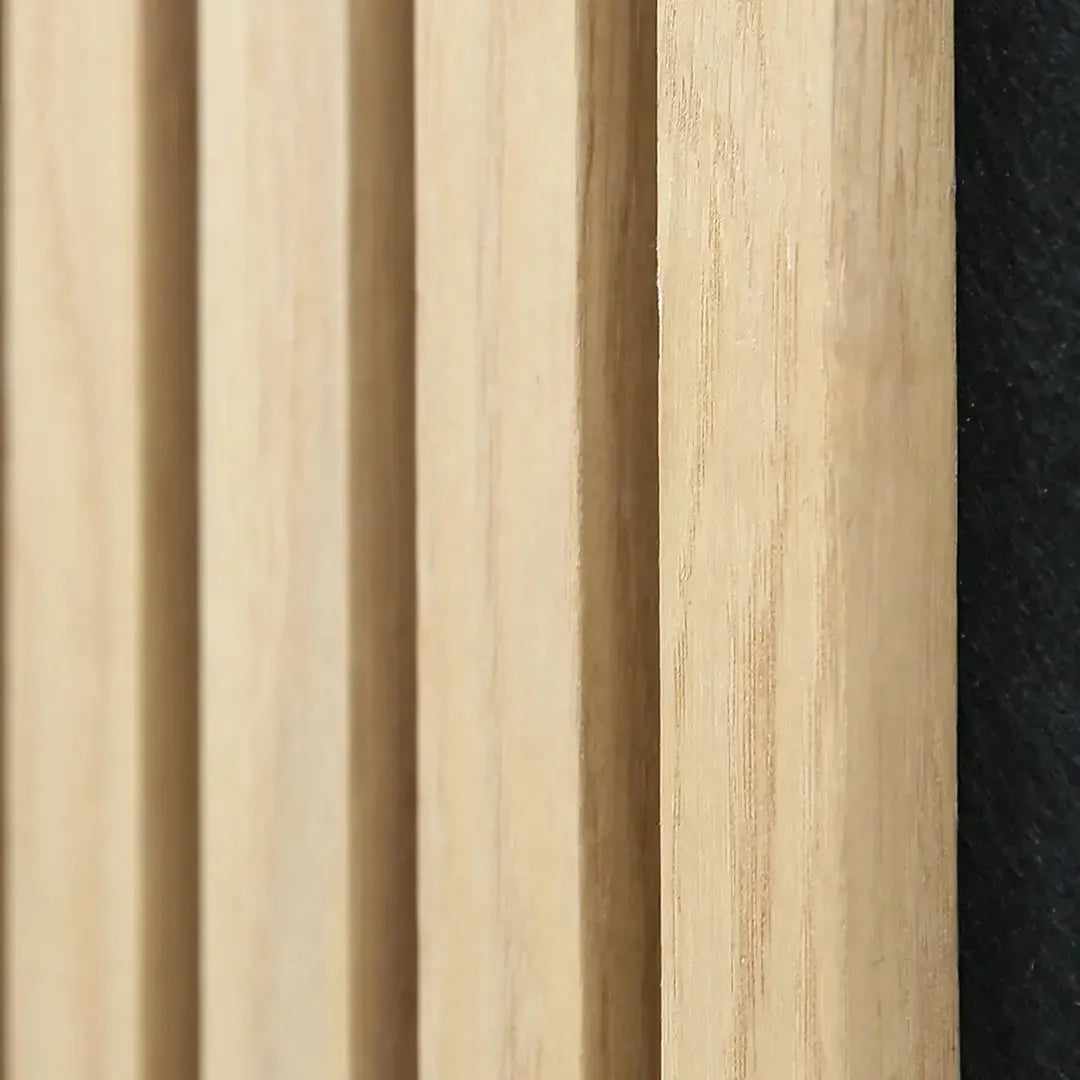
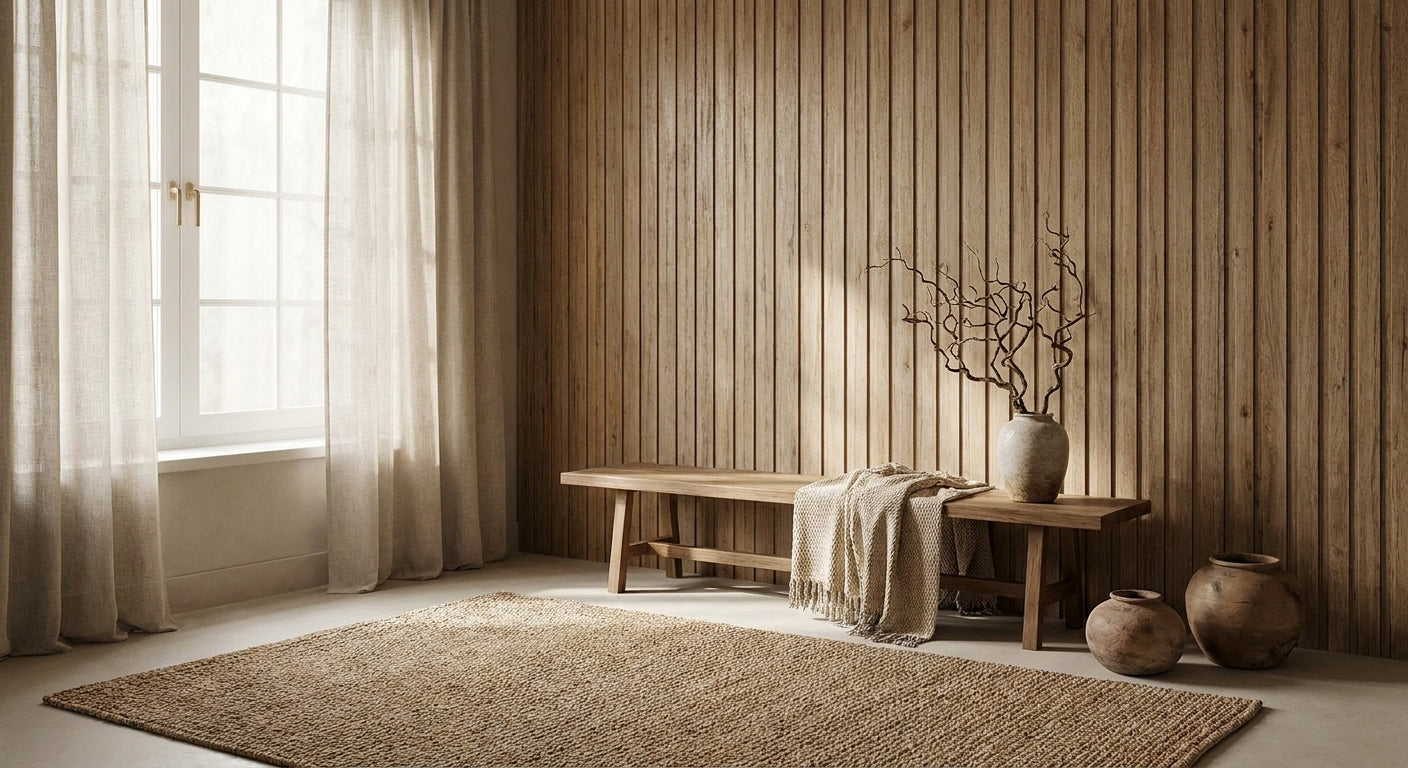
- Natural Oak Acoustic Slat Wall Panel is the safest slat wall panels wabi-sabi interior pick for 2026 — Buy.
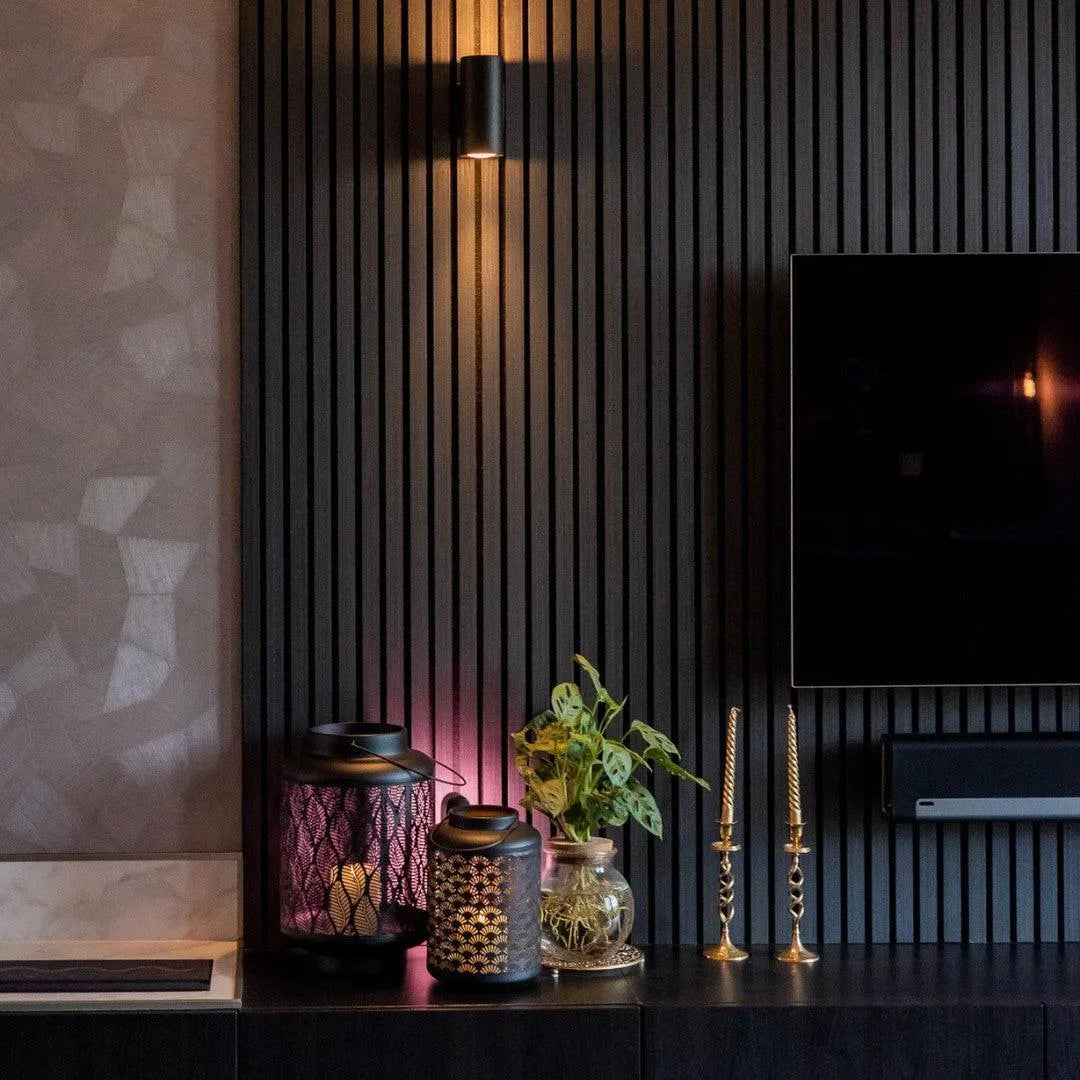
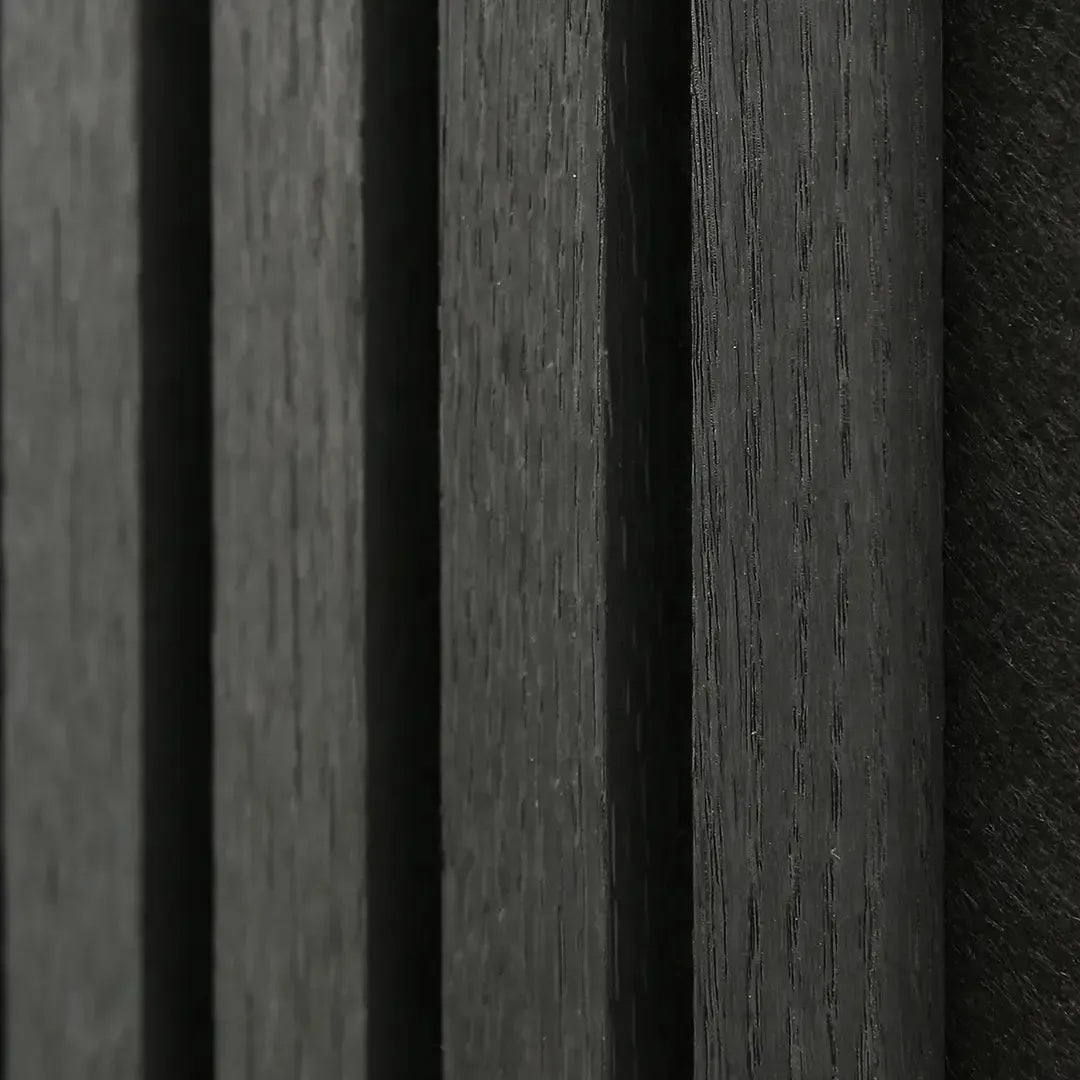
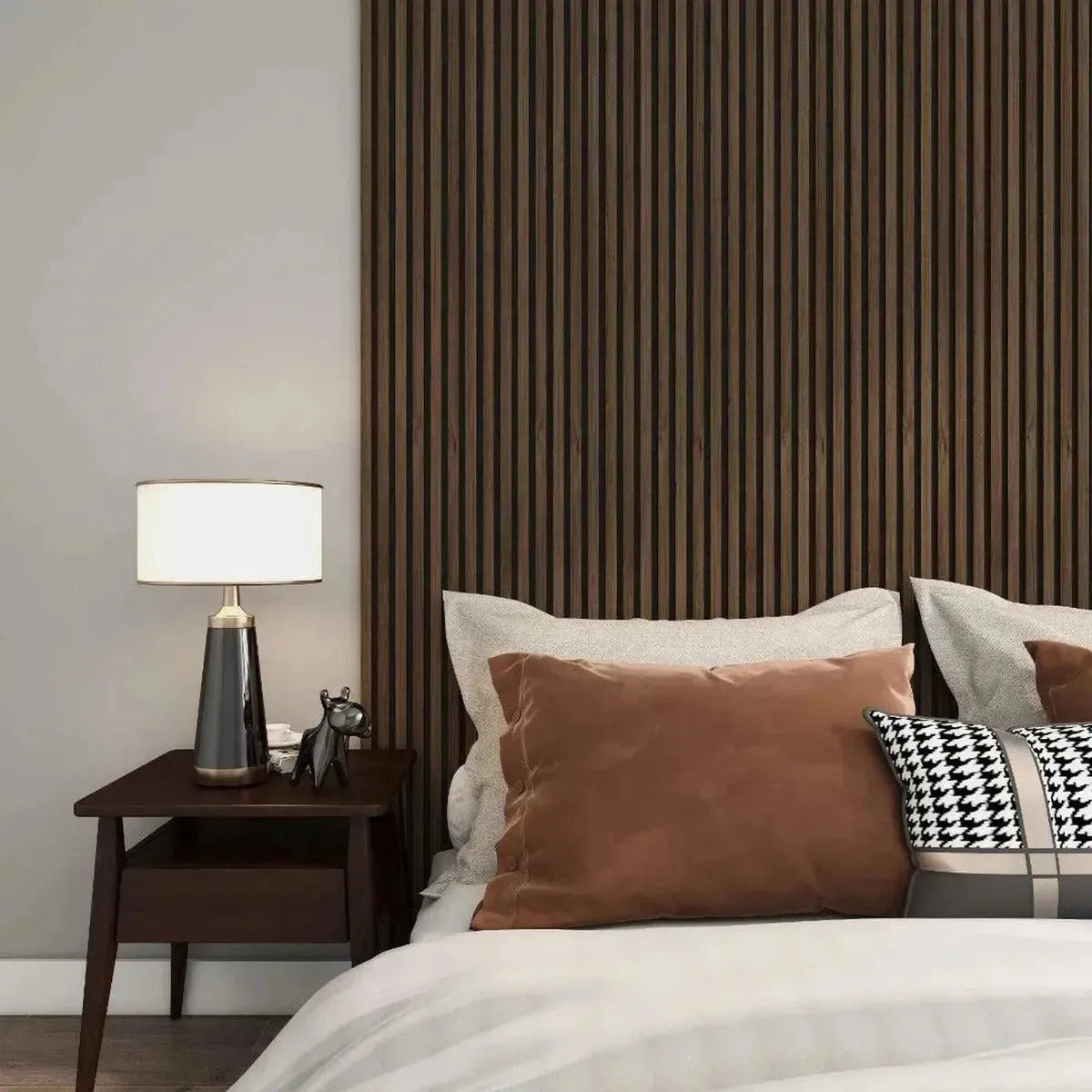
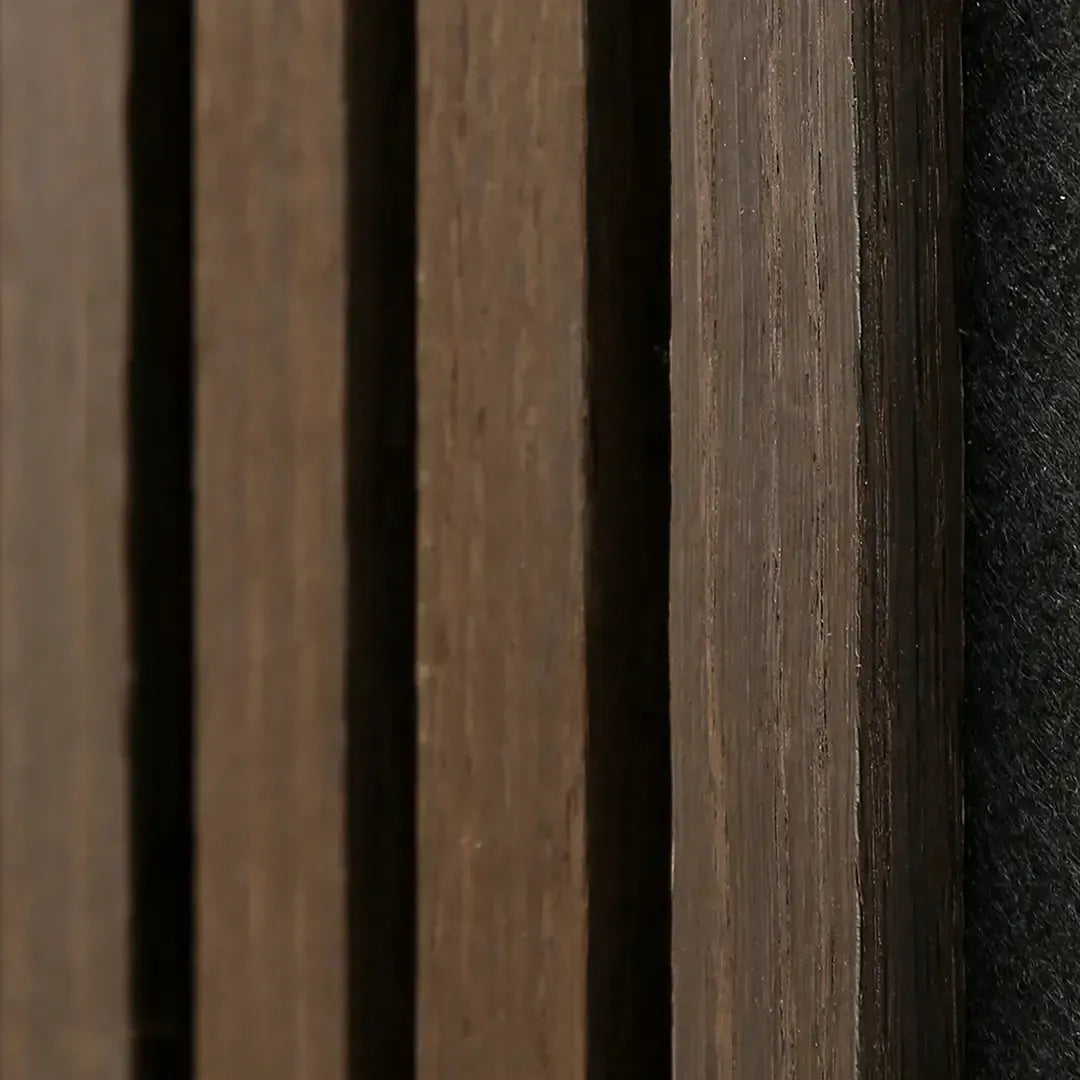
- Smoked Oak Acoustic Slat Wall Panel wins on shadow depth and uneven tone — Buy.
- Rustic Oak Premium 3-Sided Wood Veneer is the raw-texture wildcard at $233.95 territory pricing tiers — Buy.
- Skip anything with a glossy topcoat — wabi-sabi rejects high-shine finishes outright.
Why this matters
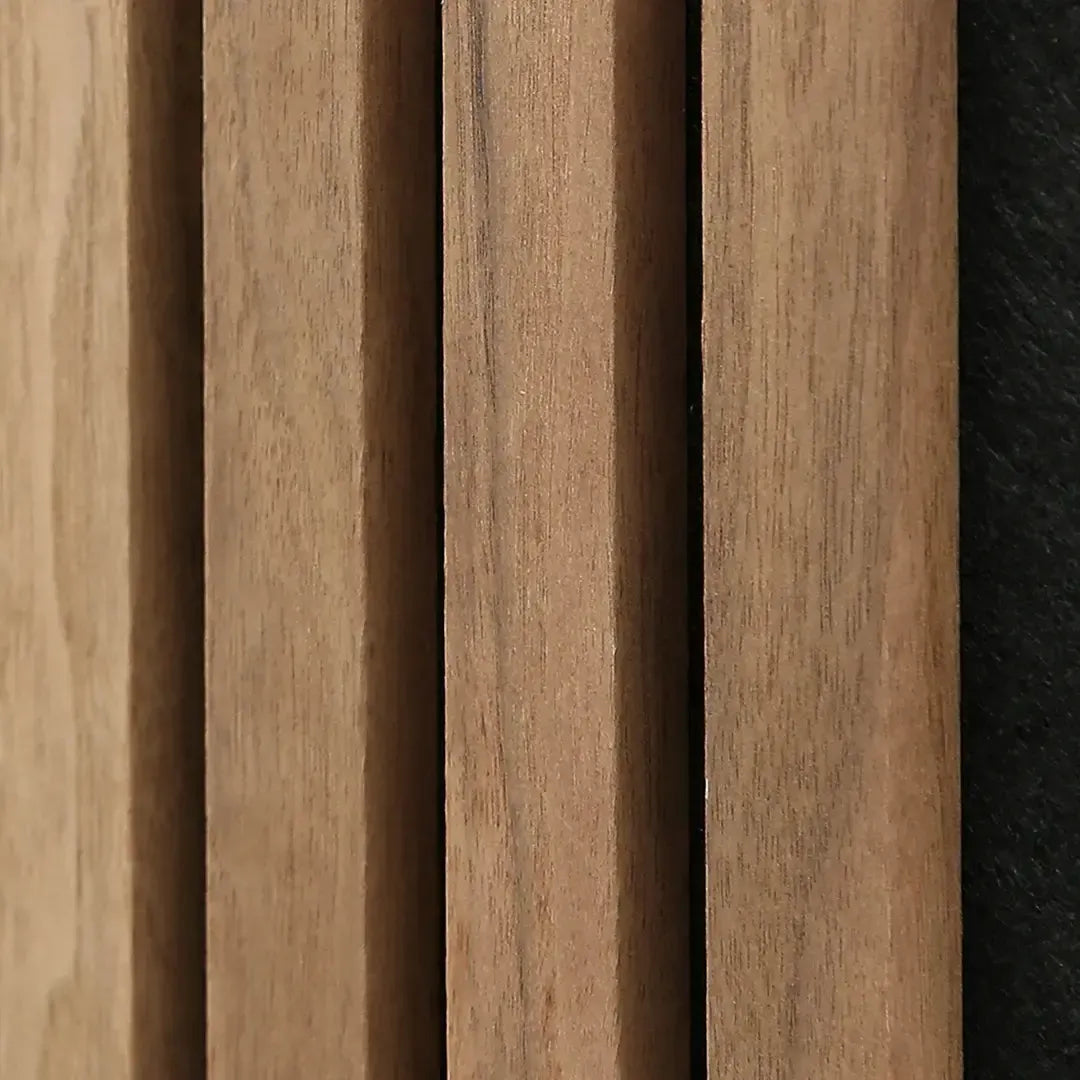
Wabi-sabi isn't a color palette you can buy in a can — it's a material logic. Straight lines, real wood veneer, and honest grain variation do the work that paint and trim can't. A natural oak acoustic slat wall panel gets you there because the veneer shows knots, streaks, and tonal shifts panel to panel instead of a uniform factory print.
Most "wabi-sabi" wall products sold in 2026 are actually mid-century minimalism with a Japanese label slapped on. The difference shows up in the grain: true wabi-sabi materials look slightly different from panel to panel, and that inconsistency is the point, not a defect.
How we ranked
Each panel here is judged against four criteria that matter specifically for wabi-sabi rooms: grain visibility (does the veneer show real wood character or a repeating pattern), tonal depth (does the color shift under different light), texture honesty (rough-sawn or hand-finished vs. machine-smooth), and acoustic value (does it quiet a room without looking like acoustic foam). No lab testing claims here — this is a design-fit ranking, not a certified sound test. Price and finish notes come straight from the product listings.
The ranked list
1. Natural Oak Acoustic Slat Wall Panel — the everyday base
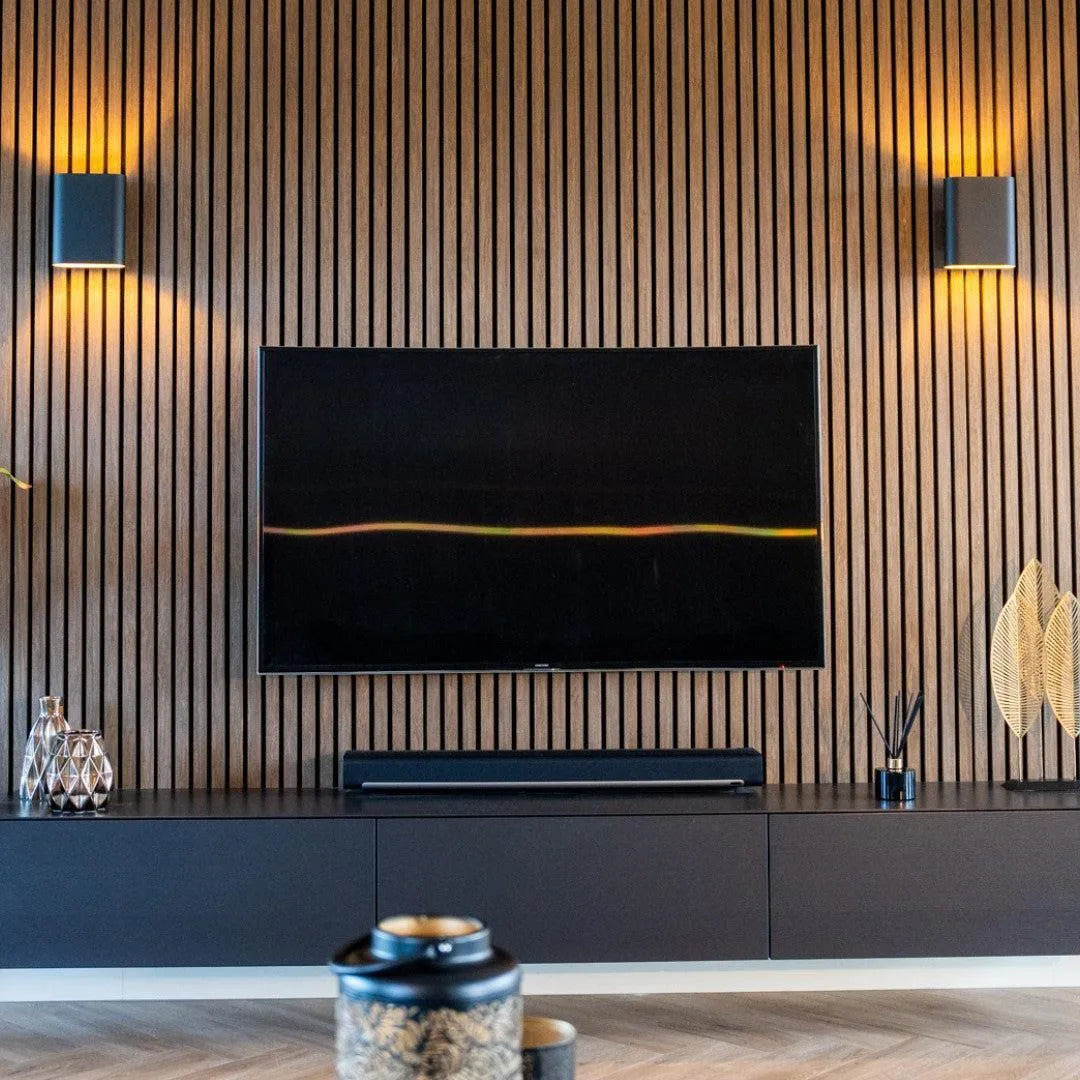
This is the panel most wabi-sabi rooms should start with. The honey-toned oak veneer carries visible grain streaks that shift color depending on the time of day, which is exactly the kind of imperfection wabi-sabi design leans on. It works as a full accent wall or a partial wainscot without fighting other natural materials like linen, clay, or unglazed ceramic. Buy — it's the default for a reason.
2. Smoked Oak Acoustic Slat Wall Panel — the shadow-and-patina pick
Smoked Oak reads darker and more uneven than Natural Oak, closer to weathered barnwood than fresh-cut lumber. That unevenness is a feature in a wabi-sabi room, where patina beats polish. Pair it with matte black hardware and it stops looking "designed" and starts looking found. Buy for rooms that want depth without going full black.
Smoked Oak Acoustic Slat Wall Panel fills the gap between Natural Oak's warmth and Black Oak's stark contrast, and it's the pick most designers reach for when a room already has dark floors.
3. Rustic Oak Premium 3-Sided Wood Veneer — the raw-texture wildcard
This panel wraps veneer across three sides instead of a flat single face, which means the edge detail reads as intentional rather than trimmed-off. It's rougher-grained than the standard oak options, with knots and color breaks that a polished slat panel would sand away. In store listings, the comparable Fluted Wall Panel Natural Oak runs $233.95, giving you a sense of where premium 3-sided veneer construction sits pricewise in 2026. Buy if the room needs one wall that looks reclaimed rather than manufactured.
Rustic Oak Premium 3-Sided Wood Veneer Panel is the closest thing on this list to raw material with none of the maintenance risk of actual reclaimed wood.
4. Fluted Wall Panel Natural Oak — the soft-ripple accent
Fluted panels trade straight slats for a rounded ripple profile, which softens a room without losing the wood-first look wabi-sabi depends on. It reads calmer than slat panels in photos, which matters for bedrooms and reading nooks where the goal is quiet, not contrast. Consider it for curved walls, alcoves, or any spot where a hard-edged slat panel feels too rigid.
5. Black Oak Acoustic Slat Wall Panel — the contrast statement
Black Oak is the outlier here: wabi-sabi generally avoids stark contrast, but a single Black Oak wall in an otherwise pale, textured room can work as the one deliberate imperfection in an intentionally muted space. It's a harder call to make correctly, and it's easy to overdo. Consider it only if the rest of the room is already restrained — plaster walls, linen textiles, unfinished stone.
6. Natural Oak Acoustic Slat Wall Panel with Gray Felt — the acoustic-first pick
The gray felt backing behind the oak veneer adds real sound absorption, which matters in open-plan wabi-sabi living rooms where hard floors and minimal furniture bounce noise around. The felt is barely visible once mounted, so it doesn't disrupt the wood-forward look. Consider it for rooms doubling as a home office or media space where echo is a real problem, not just an aesthetic one.
Comparison table
| Pick | Best for | Veneer tone | Texture | Verdict |
|---|---|---|---|---|
| Natural Oak Acoustic Slat | Everyday base wall | Light honey oak | Straight slats, visible grain | Buy |
| Smoked Oak Acoustic Slat | Depth and patina | Deep charcoal-brown | Uneven, weathered tone | Buy |
| Rustic Oak Premium 3-Sided | Raw texture statement | Knotty oak | Rough-sawn, edge-wrapped | Buy |
| Fluted Natural Oak | Curved or soft accents | Light oak | Rounded ripple profile | Consider |
| Black Oak Acoustic Slat | High-contrast accent | Near-black | Matte straight slats | Consider |
| Natural Oak + Gray Felt | Noisy open-plan rooms | Light oak, gray felt | Slat with felt backing | Consider |
Where to buy
- Order a sample box before committing to a full wall — wood veneer color shifts under different bulbs, and a photo online won't tell you how a panel reads under your actual lighting in 2026.
- Buy enough panels for the full wall in one order. Veneer batches vary slightly, and mixing orders from different production runs can break the tonal consistency wabi-sabi depends on.
- Measure twice before ordering end pieces or trim — slat panels rely on clean edge transitions, and a mismatched end piece is the fastest way to make a wabi-sabi wall look unfinished instead of intentional.


What to avoid
- Glossy lacquered slat panels — any panel with a high-shine topcoat reads as showroom, not wabi-sabi, no matter how good the grain underneath looks.
- Perfectly uniform veneer — if every slat looks identical, the panel was likely printed rather than veneered, and that consistency works against the aesthetic.
- Oversized statement colors like stark white lacquer or bright primary tones — wabi-sabi palettes stay muted; a loud finish overrides the calm the material is supposed to create.
FAQ
What's the best slat wall panel for a wabi-sabi interior in 2026?
The Natural Oak Acoustic Slat Wall Panel is the safest slat wall panels wabi-sabi interior pick for 2026 because its grain variation and warm tone fit the aesthetic without extra styling. Smoked Oak Acoustic Slat Wall Panel is the runner-up for rooms that want more shadow and depth.
Is a fluted panel better than a slat panel for wabi-sabi rooms?
Neither is universally better — fluted panels soften a room with a rounded ripple profile, while slat panels give straighter lines and more visible grain contrast. Choose fluted for curved or calm spaces and slat panels for accent walls that need texture depth.
How much does a wabi-sabi accent wall cost in 2026?
Pricing varies by panel type and coverage, but a comparable premium panel like the Fluted Wall Panel Natural Oak runs $233.95, which gives a rough benchmark for higher-end wood veneer panels in 2026. Standard slat panels typically price lower per unit than fluted or 3-sided veneer options.
Do acoustic slat panels work with the wabi-sabi aesthetic?
Yes — acoustic slat panels with real wood veneer fit wabi-sabi as long as the felt backing stays hidden and the grain does the visual work. The Natural Oak Acoustic Slat Wall Panel with Gray Felt is built for this exact combination of sound control and natural texture.
Should wood slat panels be painted for a wabi-sabi look?
No — painting over the veneer removes the grain variation that makes wabi-sabi work, so unfinished or lightly oiled panels are the better choice. Painted panels push the look toward modern minimalism instead of the raw-material feel wabi-sabi calls for.
Can you mix panel tones in one wabi-sabi room without breaking the aesthetic?
Yes, as long as the tones stay in the same warm-neutral family, like Natural Oak next to Rustic Oak Premium 3-Sided Wood Veneer. Mixing a warm oak with a stark black or cool gray tone in the same wall breaks the calm palette wabi-sabi relies on.
Are acoustic slat panels overkill for a small wabi-sabi living room?
Not if the room has hard floors and open sightlines, where sound bounces more than in a heavily furnished space. In quieter, smaller rooms, a non-acoustic panel like the standard Fluted Wall Panel Natural Oak covers the aesthetic goal without paying for acoustic backing you don't need.
Can slat wall panels be installed on curved or uneven walls?
Flexible fluted panel designs handle gentle curves better than rigid slat panels, which need a flat, even substrate to sit correctly. For genuinely uneven or curved walls, a fluted panel with flexible backing is the more reliable choice in 2026.
One last thing
The detail most people miss: wabi-sabi rooms actually look better with slightly mismatched panel batches, not perfectly matched ones. If a wall shows two subtly different grain runs of Natural Oak side by side, that's not a defect — it's the material doing exactly what wabi-sabi asks of it. Order one extra panel beyond your measured coverage in 2026 so a damaged or oddly grained piece never forces you to break that consistency with a rushed reorder.
 Better performance and aesthetic appeal
 In Stock