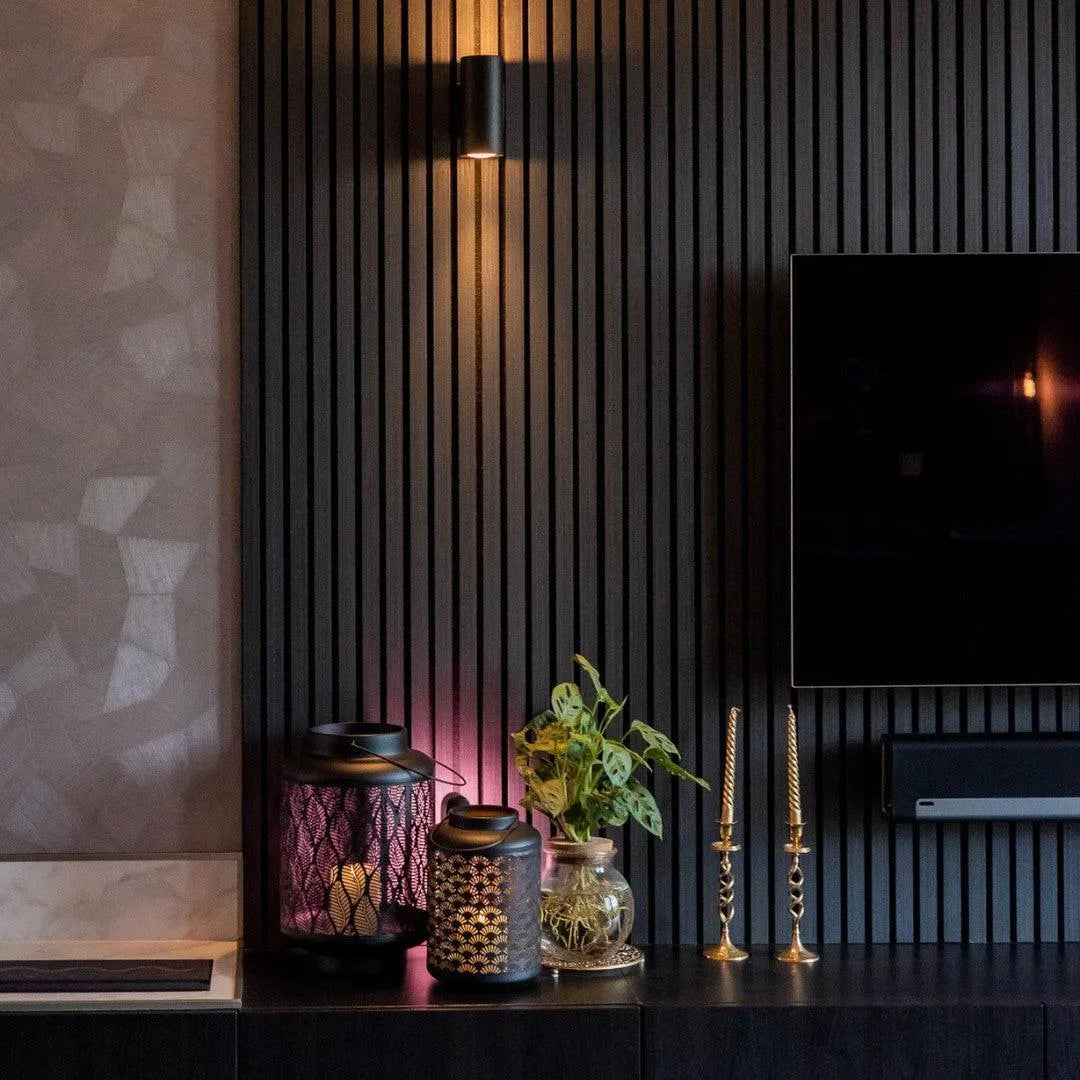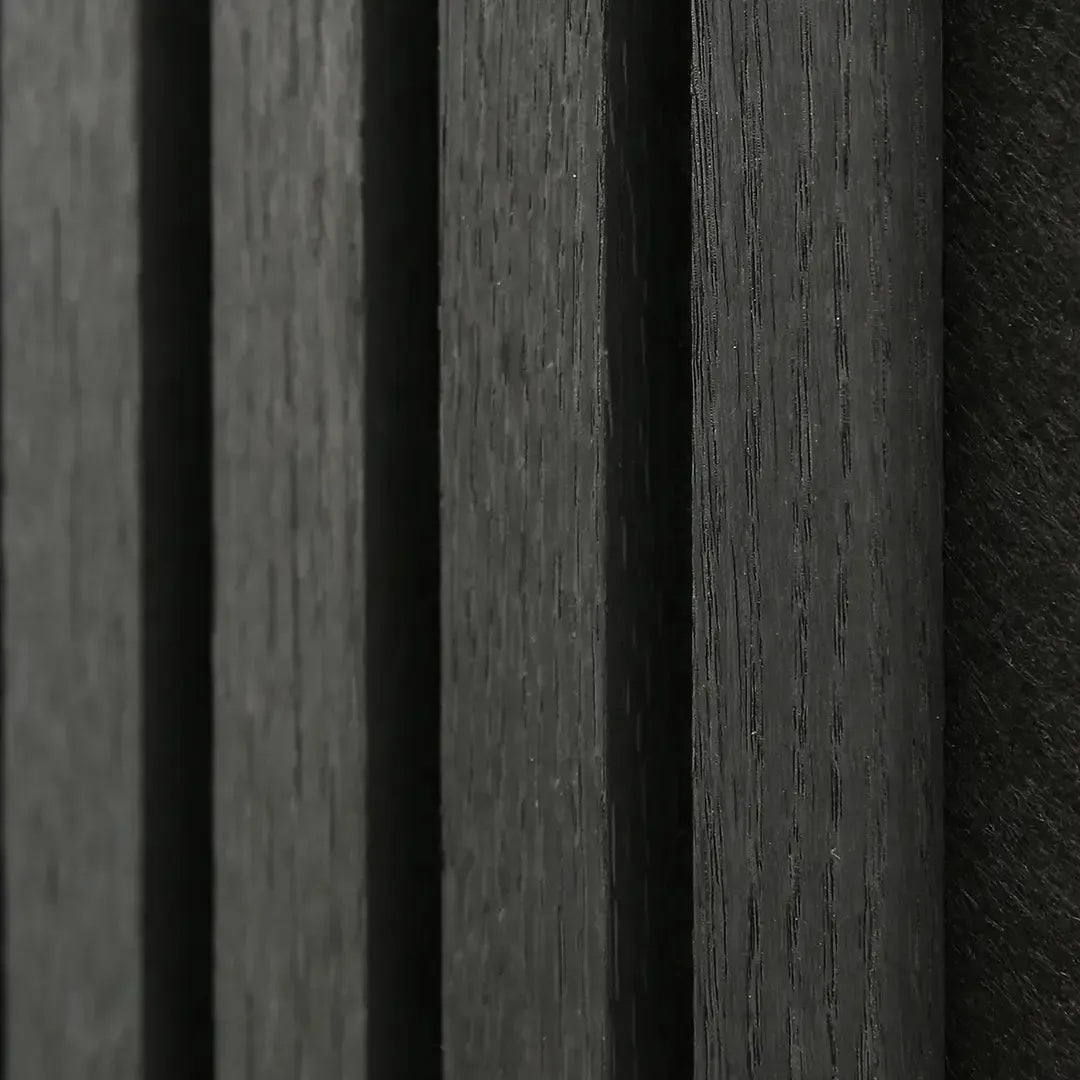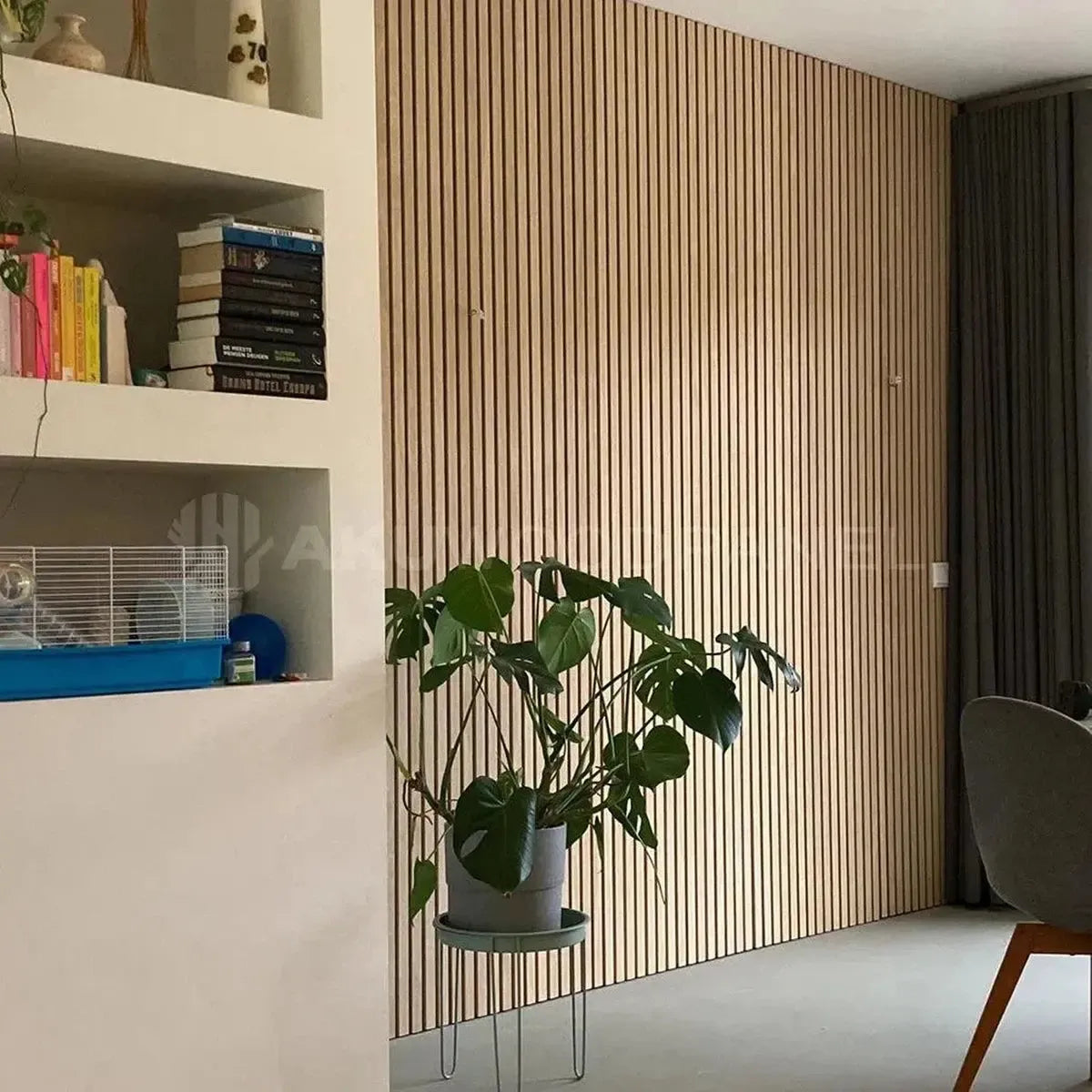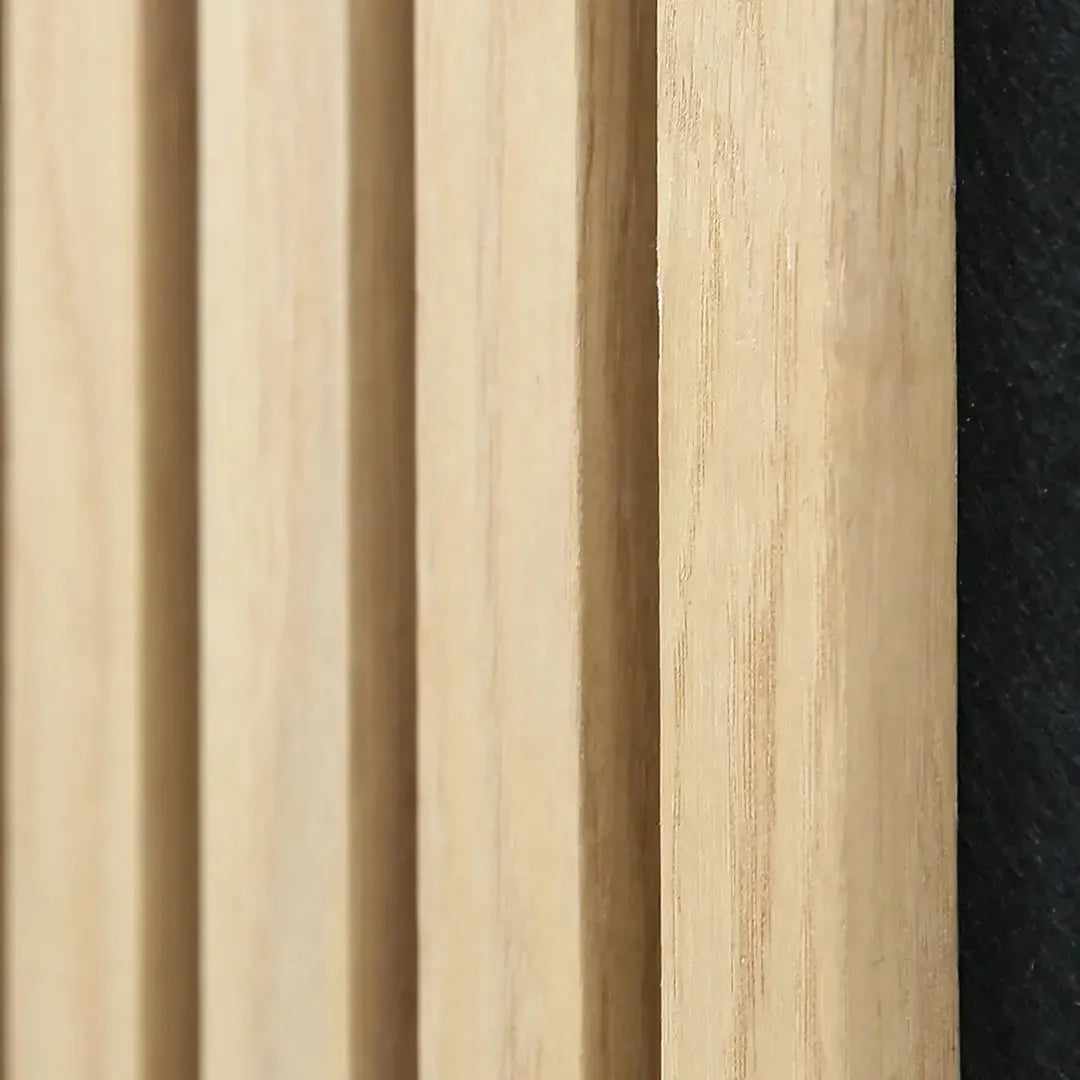
A tailor or dressmaker studio wall takes more punishment than a typical retail floor, and the fluted panel you pick has to survive that while still looking like a design choice. Best overall for a tailor studio: Fluted Wall Panel Natural Oak — best for bright fitting rooms and color-true fabric walls. Best for curved layouts: Fluted Wall Panel Walnut, Modern Flexible Design — best for rounded cutting islands and reception counters. Best for a vintage or bridal-atelier look: Fluted Wall Panel Rustic Oak, Modern Flexible Design — best for heritage-style dressmaker studios.
- Fluted Wall Panel Natural Oak is the best fluted wall panel for tailor studio fitting rooms in 2026.
- Fluted Wall Panel Walnut (flexible design) bends around curved cutting islands without visible seams.
- Fluted Wall Panel Rustic Oak suits bridal ateliers that want a handcrafted, heritage backdrop.
- None of the three fluted finishes are acoustic-rated, so pair one with a felt-backed slat panel if machine noise is a problem.
Why this matters
A tailor or dressmaker studio puts a wall through more abuse than a typical retail floor: pins, tailor's chalk, fabric dust, steam from a pressing station, and constant foot traffic between the cutting table and the mirror. Flat painted drywall shows every scuff within a season. A fluted wall panel adds texture and shadow lines that hide minor wear, and it gives a fitting room a backdrop that doesn't fight with the fabric on the rack.
The Fluted Wall Panel Natural Oak is the safest starting point for most studios in 2026 because its light veneer keeps fitting-room lighting neutral, which matters when a client is trying to judge a true fabric color against a wall instead of a swatch. The same logic that shapes fluted paneling for a tailor shop shows up in bridal boutique and dress shop interiors, where color accuracy under mirror lighting matters just as much as the finish itself.
Akuwood Panel makes three fluted finishes suited to this kind of studio work, and picking the wrong one usually shows up fast as glare, mismatched grain, or a wall that reads busier than the garments hanging in front of it. A workroom in the back and a client-facing fitting area up front rarely need the same panel, which is why the three picks below split by use case instead of ranking on looks alone.
What makes the best fluted wall panel for a tailor studio
- Light behavior and color neutrality — the panel shouldn't cast a warm or cool tint that skews how fabric colors read to a client.
- Panel flexibility — studios with curved cutting islands or rounded reception counters need a fluted board that bends without cracking the veneer.
- Surface resilience — pins, tailor's chalk, and thread snags happen daily, so the finish needs to shrug off small marks.
- Groove depth and shadow line — deep grooves add texture but can visually compete with patterned or heavily textured fabrics on display.
- Install footprint — small studios need panels that go up cleanly without extra bracing or wide reveals eating into floor space.
- Maintenance — lint and fabric dust collect in grooves faster than on flat paneling, so wipe-down ease matters more here than in a living room.
These criteria differ from a general accent-wall guide because a tailor studio is a working space first and a showroom second. A panel that photographs well but collects chalk dust in every groove creates cleaning work every single day.
Fluted wall panels for tailor studios at a glance
Akuwood Panel's three fluted finishes for tailor studios in 2026 break down like this:
| Panel | Best for | Standout feature | Key limitation |
|---|---|---|---|
| Fluted Wall Panel Natural Oak | Bright fitting rooms & color-true fabric walls | Light oak veneer keeps ambient light neutral | Shows chalk dust and fingerprints faster than darker finishes |
| Fluted Wall Panel Walnut, Modern Flexible Design | Curved cutting islands & reception counters | Flexible backing bends around curved framing | Dark tone absorbs light — needs brighter fixture placement |
| Fluted Wall Panel Rustic Oak, Modern Flexible Design | Vintage bridal ateliers & heritage tailor shops | Rustic grain with visible character marks for a handcrafted look | Busier grain can compete with heavily patterned fabric displays |
1. Fluted Wall Panel Natural Oak: best fluted wall panel for bright tailor studio fitting rooms
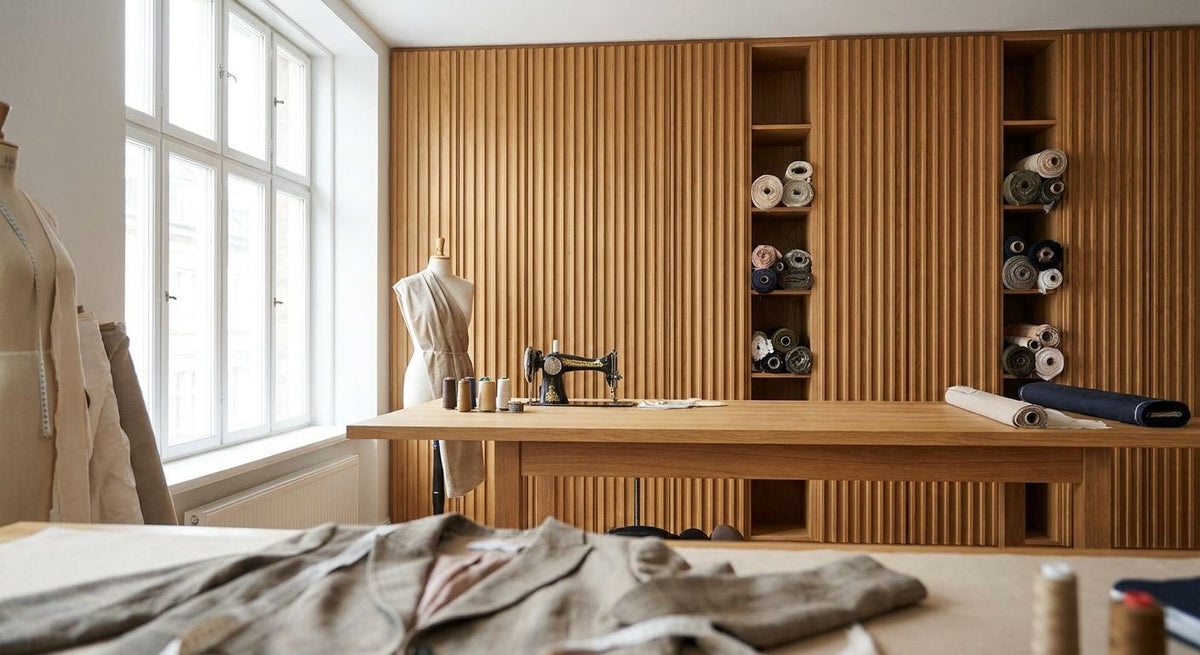
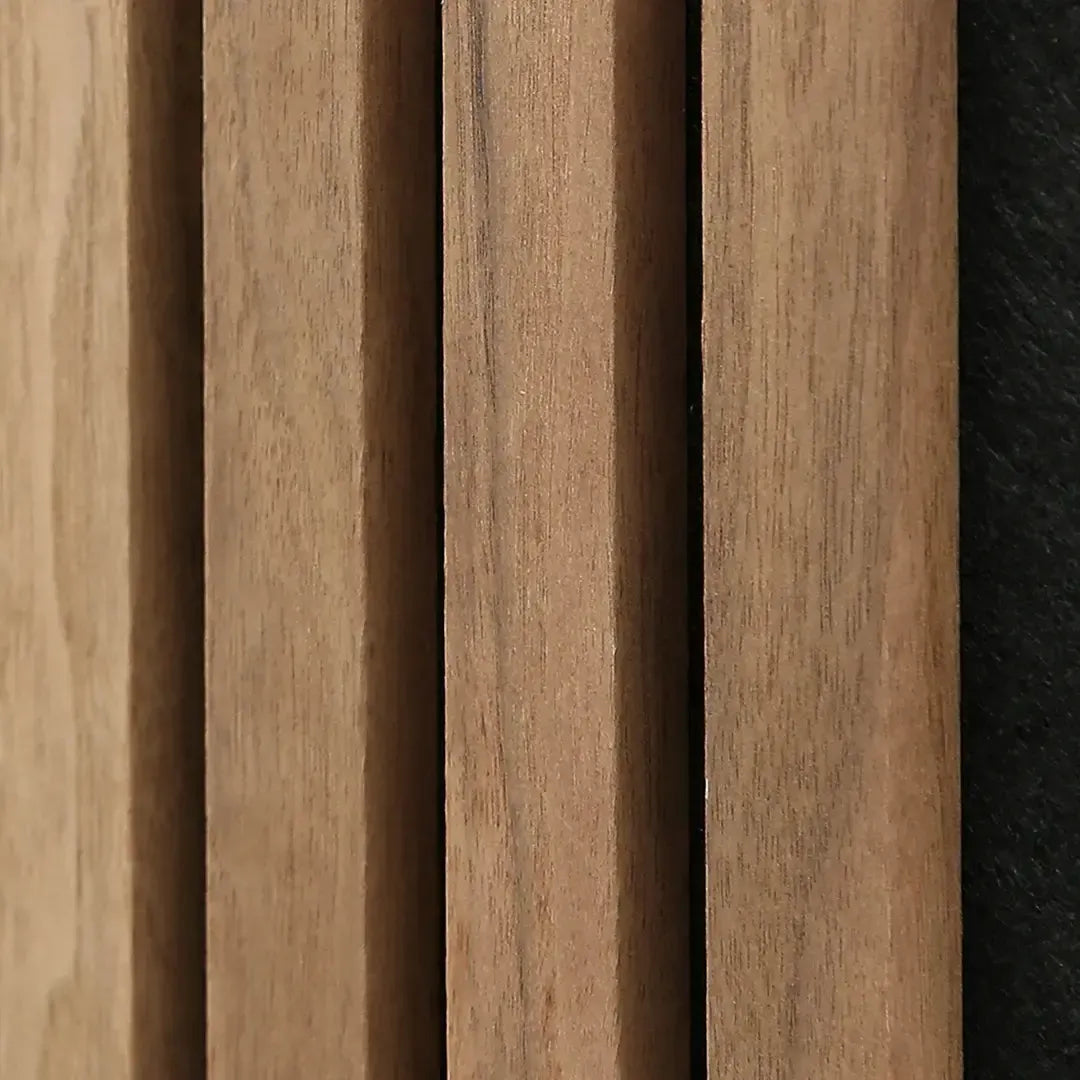
Fluted Wall Panel Natural Oak uses a light oak veneer over a grooved profile, and it works as a backdrop behind a three-way mirror or along the wall a client faces while a garment is pinned. The light tone bounces daylight and LED fixture light evenly, which keeps skin tone and fabric color reading true — a real problem in tailoring, where a client rejecting a color because the wall skewed it means a re-fitting nobody wanted.
Fluted Wall Panel Natural Oak pros:
- Neutral light tone keeps fitting-room color rendering accurate
- Vertical grain option reads taller in narrow studio rooms
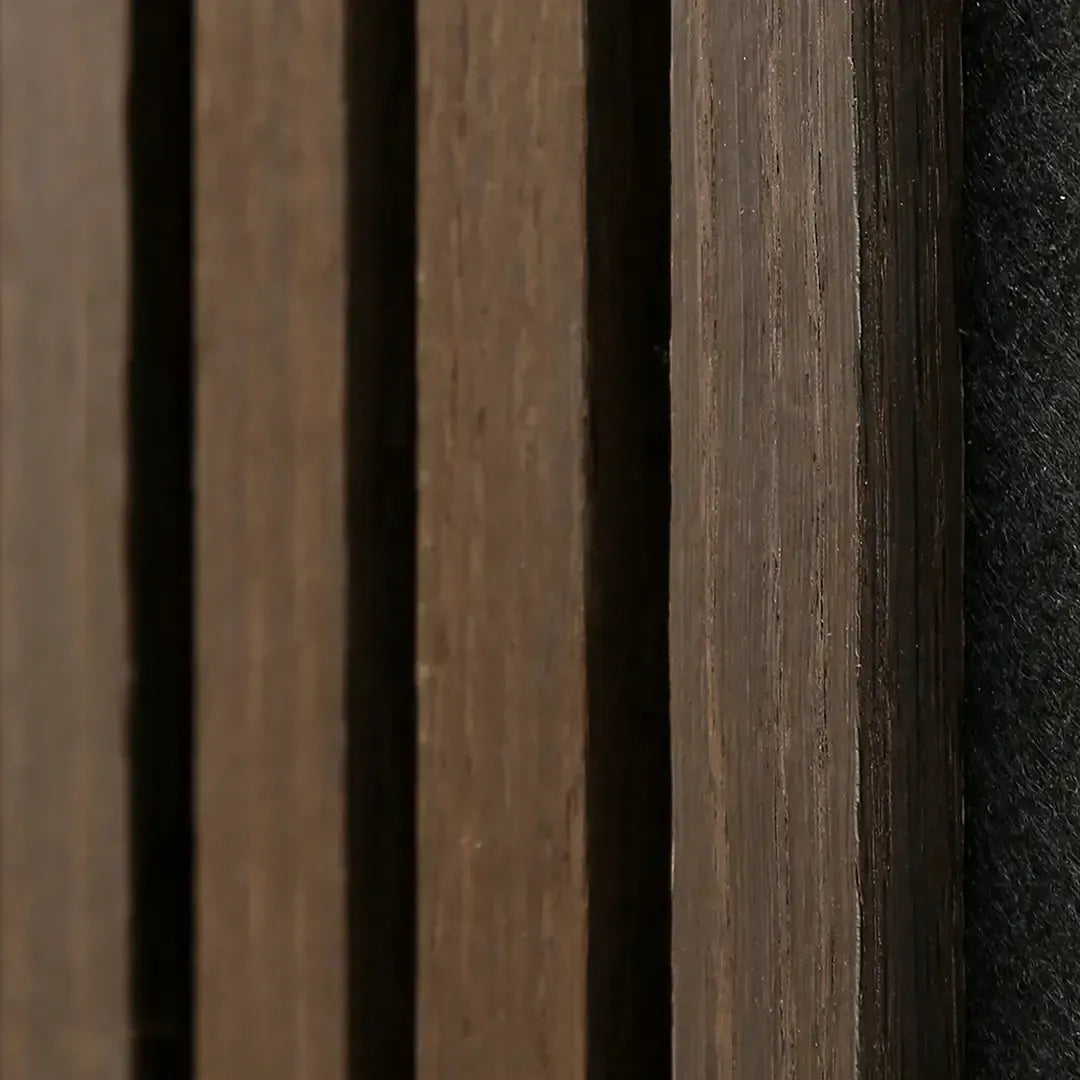
- Real wood veneer, not a printed laminate
- Pairs cleanly with black steel racks and pale flooring common in studio fit-outs
Fluted Wall Panel Natural Oak cons:
- Shows chalk dust and greasy fingerprints faster than a darker finish
- Needs more frequent wiping in high-traffic fitting areas
- Not felt-backed, so it adds zero acoustic dampening on its own
Best for: studios that fit clients in natural or mixed daylight and need the wall to stay out of the color conversation.
Verdict: Buy for any tailor studio where fabric color accuracy in the fitting room is the priority.
2. Fluted Wall Panel Walnut, Modern Flexible Design: best fluted wall panel for curved cutting islands
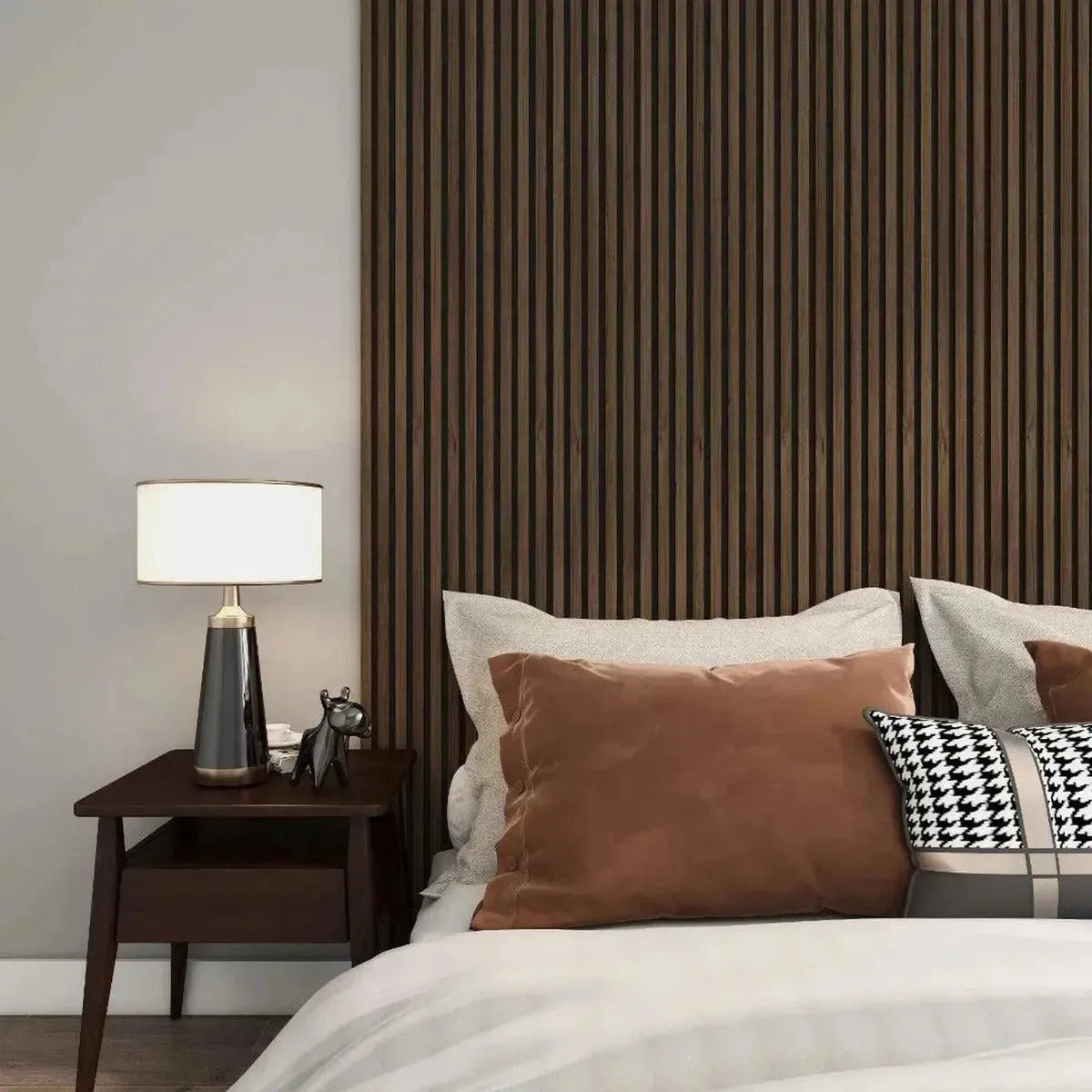
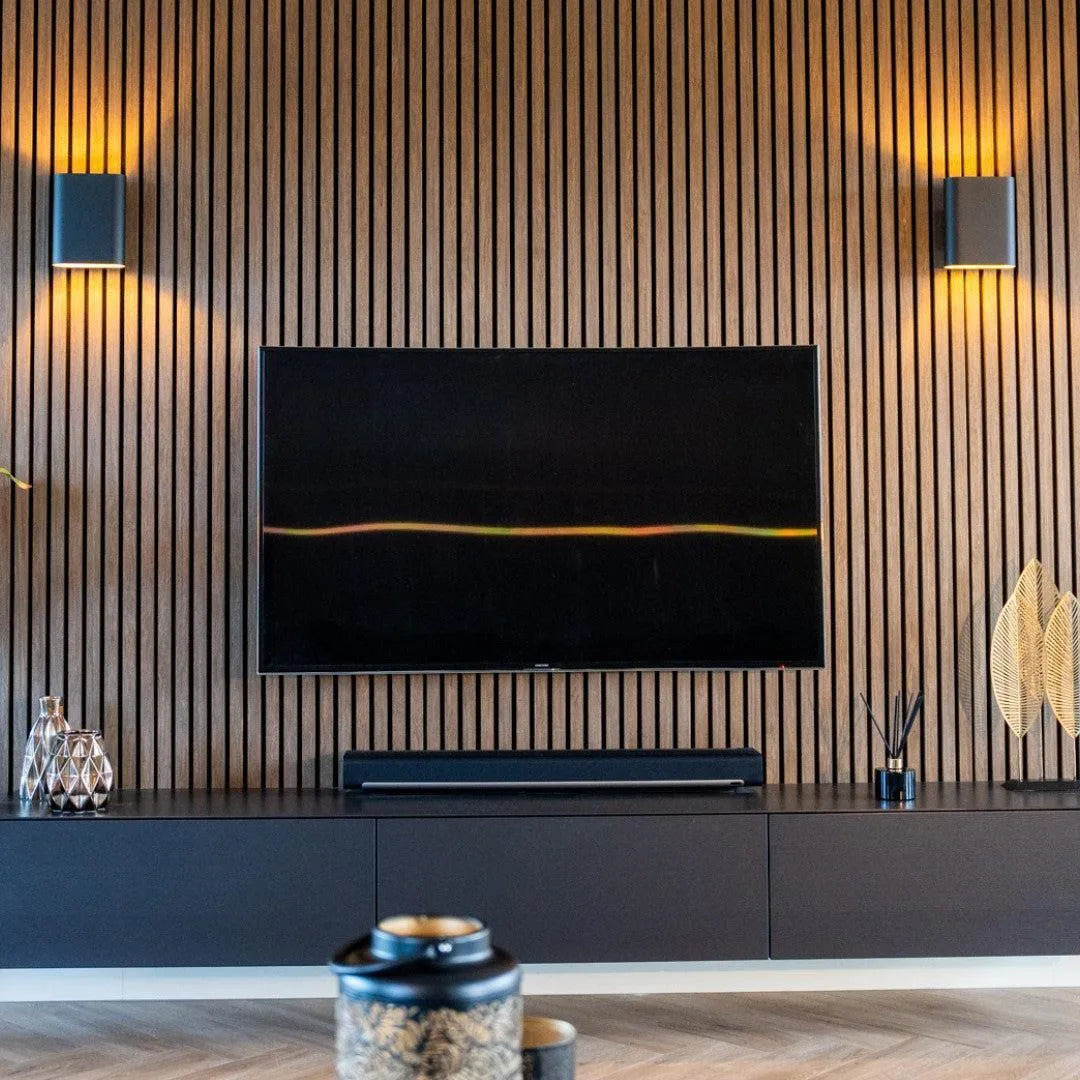
Fluted Wall Panel Walnut, Modern Flexible Design is built with a flexible backing that lets the board follow a curve instead of only sitting flat. That matters in studios that wrap paneling around a round cutting island, a curved reception counter, or a bowed wall in an older building. The walnut veneer runs darker than the oak options, which reads as more formal — useful for a studio positioned toward bespoke tailoring rather than quick alterations.
Fluted Wall Panel Walnut pros:
- Flexible design bends around curved millwork without visible joints
- Darker walnut tone hides scuffs and pin marks better than light oak
- Reads as a premium, bespoke-tailoring aesthetic
- Works as a single accent wall without needing to panel an entire room
Fluted Wall Panel Walnut cons:
- Darker surface absorbs more ambient light, so fitting areas need brighter fixtures nearby
- Curved installs take longer and need more careful measuring than a flat wall
- Same as the oak options, it isn't acoustic-rated
Best for: studios with a curved cutting island, rounded reception desk, or an older building with a bowed wall.
Verdict: Buy if the layout includes any curved surface — this is the only one of the three built to bend.
3. Fluted Wall Panel Rustic Oak, Modern Flexible Design: best fluted wall panel for vintage bridal ateliers
Fluted Wall Panel Rustic Oak, Modern Flexible Design carries more visible grain character and knot marks than the standard natural oak finish, which reads as handcrafted rather than showroom-polished. It suits a heritage-style dressmaker studio or a bridal atelier going for a warm, lived-in look instead of a clean modern one. Like the walnut option, it uses the flexible backing, so it can wrap curved trim or a rounded fitting nook.
Fluted Wall Panel Rustic Oak pros:
- Visible grain character fits vintage and heritage studio branding
- Flexible backing handles curved trim the same as the walnut option
- Hides minor wear better than the smoother natural oak finish
Fluted Wall Panel Rustic Oak cons:
- Busier grain pattern can visually compete with heavily patterned bridal fabrics
- Less suited to a minimalist or modern studio brand
- Limited to accent applications rather than full-room paneling in most layouts
Best for: bridal ateliers and heritage tailor shops building a warm, handcrafted brand identity.
Verdict: Hold — pick this only if the studio's branding is explicitly vintage or heritage; otherwise the natural oak reads cleaner.
Pairing fluted panels with acoustic control
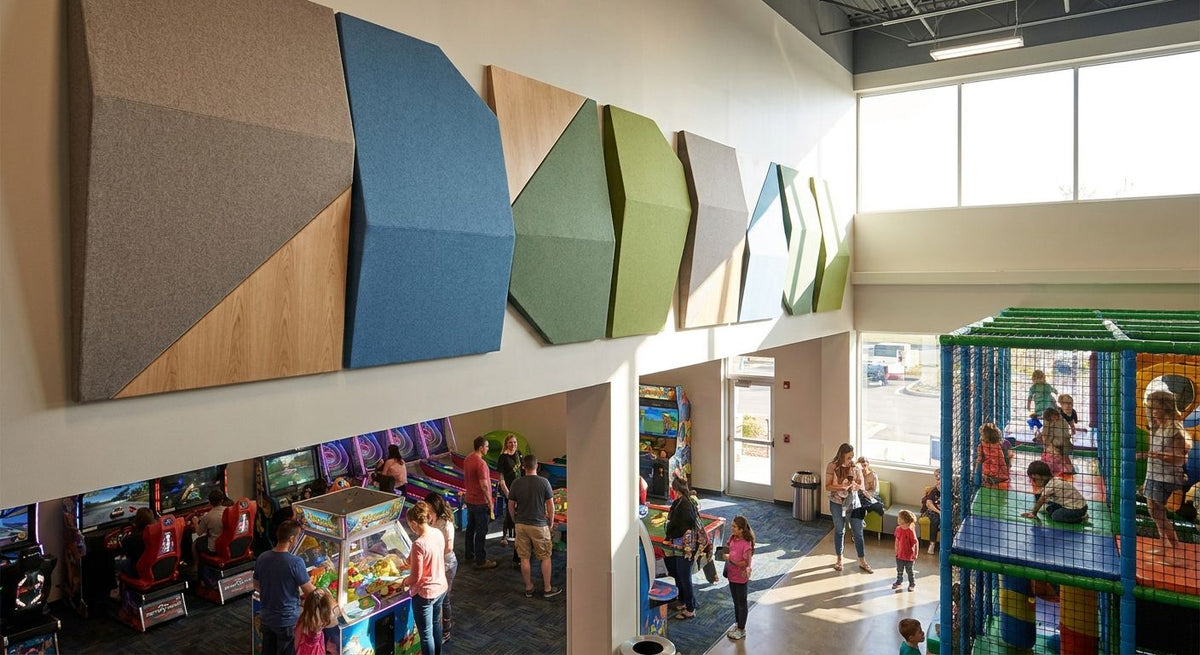
None of the three fluted finishes above are felt-backed, so they add texture and light control but no meaningful sound absorption. That's fine for a quiet consultation room, but a studio running overlockers, an industrial press, or several sewing machines at once will still hear every one of them bounce off a hard wall. In a split floor plan, the practical move is to run the fluted panel on the client-facing wall and put a felt-backed acoustic slat panel on the wall behind the machines.


“If the panel outshines the fabric on the rack, it is the wrong panel for a tailor studio.”
How this ranking works
Each of Akuwood Panel's fluted finishes is scored against the six criteria above: light behavior, flexibility, surface resilience, groove depth, install footprint, and maintenance. Fluted Wall Panel Natural Oak wins on light neutrality and maintenance simplicity for standard flat walls. Fluted Wall Panel Walnut wins on flexibility for any studio with a curve in the layout. Fluted Wall Panel Rustic Oak wins on aesthetic fit for heritage and bridal branding, at the cost of a busier grain that isn't right for every studio.
Which fluted wall panel should you choose?
Default to Fluted Wall Panel Natural Oak if the studio layout is mostly flat walls and color accuracy in the fitting room matters more than anything else — it's the safest pick for 2026 tailor studio fit-outs. Switch to Fluted Wall Panel Walnut the moment a curved cutting island or rounded counter is part of the plan. Reach for Fluted Wall Panel Rustic Oak only when the studio's brand is explicitly vintage, heritage, or bridal-focused, since its grain reads busier than the other two. Akuwood Panel's fluted lineup narrows to three real choices for 2026, and the layout of the studio, not the finish photos, should decide which one wins.
FAQ
What is the best fluted wall panel for a tailor studio?
Fluted Wall Panel Natural Oak is the best fluted wall panel for tailor studio fitting rooms in 2026 because its light veneer keeps fitting-room color rendering neutral. Studios with curved layouts should use Fluted Wall Panel Walnut instead, since it is built with a flexible backing.
Are fluted wall panels good for reducing noise from sewing machines?
No, standard fluted wall panels are not acoustic-rated and add little sound absorption on their own. A felt-backed acoustic slat panel on the wall behind the machines does the sound-dampening work that a fluted finish cannot.
Is real wood fluted paneling durable enough for a working tailor shop?
Real wood veneer over a grooved profile holds up to daily pin marks, chalk dust, and foot traffic better than painted drywall, though light finishes show marks faster than dark ones. Darker options like walnut or rustic oak hide daily wear more effectively.
Can fluted wall panels be installed around a curved cutting island?
Only flexible-design fluted panels bend around curved millwork without visible joints. Fluted Wall Panel Walnut and Fluted Wall Panel Rustic Oak both use a flexible backing built for this, while the standard natural oak panel is rigid and suited to flat walls only.
Do fluted wall panels show chalk dust and fabric lint?
Light finishes like natural oak show chalk dust and fingerprints faster than darker finishes. Grooved profiles in general collect more lint than flat paneling, so studios need to wipe them down more often than a plain wall.
How is a fluted wall panel different from an acoustic slat wall panel?
A fluted panel is a grooved decorative profile with no backing material for sound absorption, while an acoustic slat panel adds a felt backing behind the wood veneer specifically to dampen sound. Tailor studios with loud equipment usually need both types on different walls.
What finish works best behind a fitting room mirror?
Fluted Wall Panel Natural Oak works best behind a fitting room mirror because its light tone keeps reflected light neutral, which matters when a client is judging true fabric color. Darker finishes like walnut can cast a warmer tone across the mirror's reflection.
Should a tailor studio panel the whole room or just an accent wall?
Most tailor studios get better results paneling a single accent wall behind the mirror or cutting station rather than the whole room, since a full-room grooved surface can visually compete with fabric displays. An accent wall keeps the texture intentional instead of overwhelming the space.
One last thing
Fluted panels are almost always run with the grooves vertical, since that reads taller in a room, but turning a single panel horizontal behind one mirror station is a cheap way to visually widen a cramped fitting corner instead of raising the ceiling. Few tailor studios think to mix the orientation on one wall, and it costs nothing extra to try when planning a 2026 fit-out.
 Better performance and aesthetic appeal
 In Stock