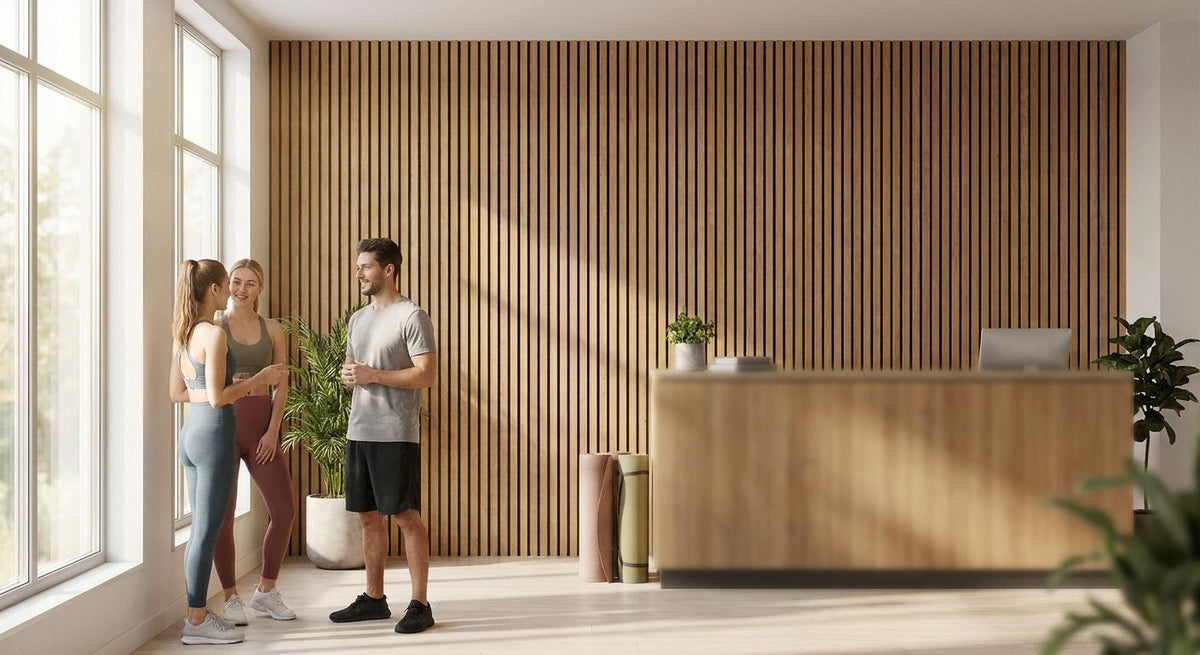
Boutique fitness studio receptions take a beating: bass-heavy class playlists bleed through a shared wall, hard tile floors bounce every voice, and a mirrored studio next door turns the front desk into an echo chamber. Acoustic wood panels fix that without making the space feel like a hotel lobby.
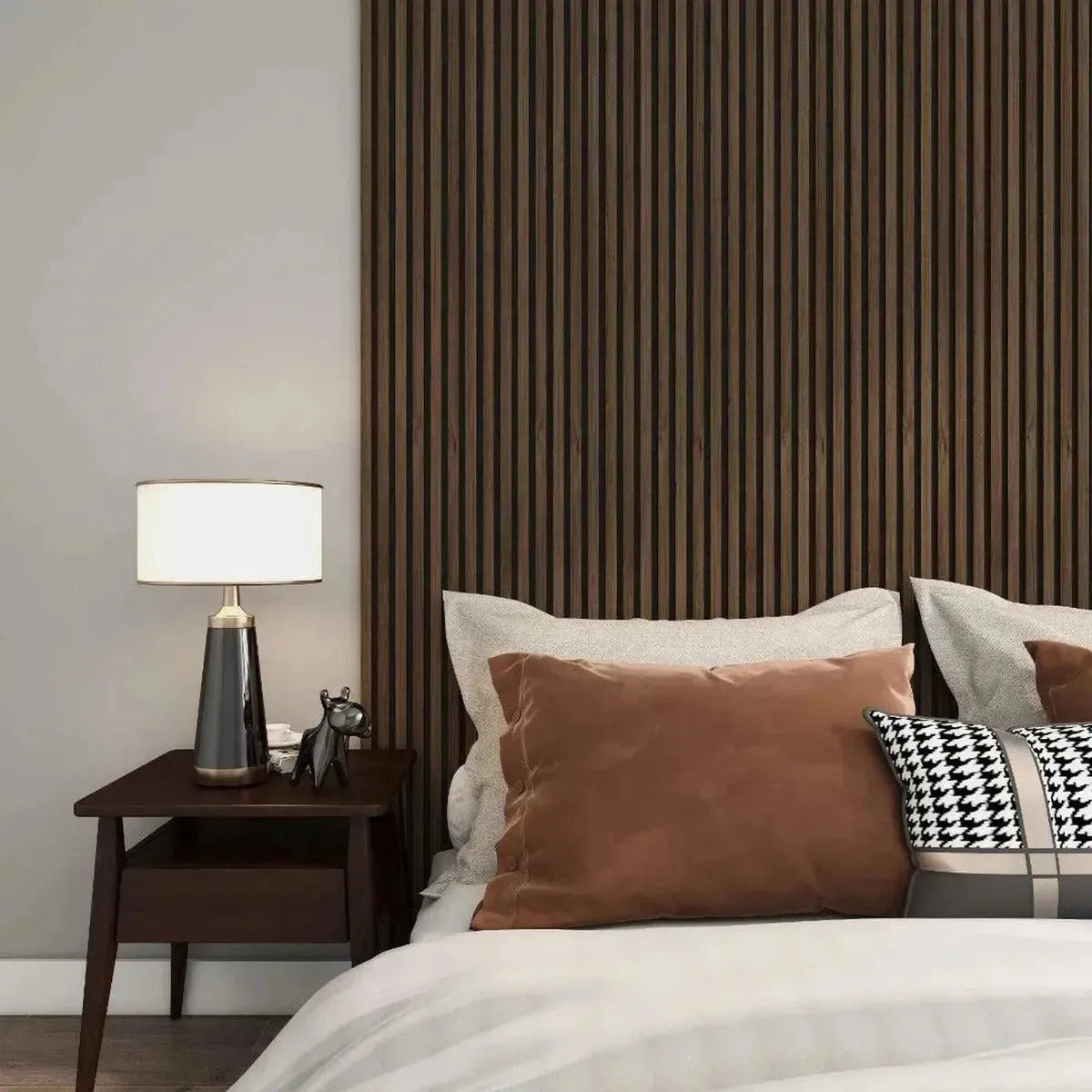
- Acoustic Slat Wall Panel Walnut wins for boutique fitness studio reception acoustic wood panels in 2026 — Buy.
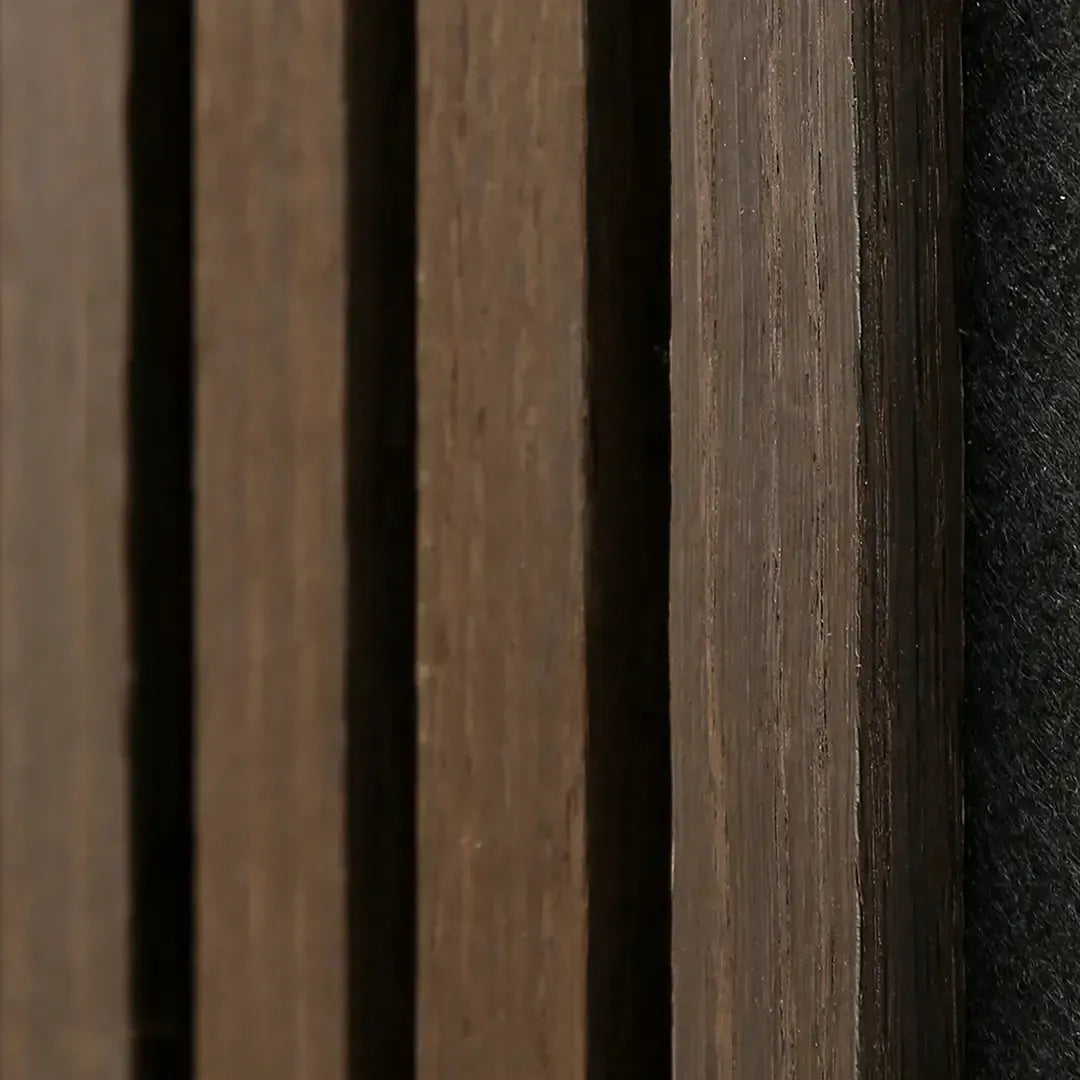
- Natural Oak with Gray Felt slat panels absorb the most reflected sound behind a front desk — Buy.
- Hexagon Acoustic Panel Walnut works as a wildcard accent for tight reception nooks — Consider.
- Skip felt-free slat lookalikes; they add texture but do nothing for echo.
- Fluted Wall Panel Natural Oak softens light class-noise spillover, not full sound isolation — Consider.
Why this matters
A reception desk is the first thing a new member hears, not just sees. If the front-of-house staff has to raise their voice over spin-room bass or a crowded lobby, that noise reads as chaos, not energy — and it undercuts the calm-but-energized brand most boutique studios are chasing in 2026.
Hard surfaces are the problem: polished concrete, glass storefronts, mirrored studio walls, and drywall all reflect sound instead of absorbing it. An Acoustic Slat Wall Panel in walnut breaks up those reflections with real wood veneer over a felt or acoustic-backed core, so the reception still looks like a design feature, not a soundproofing retrofit.
Akuwood Panel's catalog runs 16 acoustic slat, hexagon, and fluted finishes across oak, walnut, and black oak tones, which matters here because a fitness studio reception usually has to match a locker room, a retail nook, and a studio door in one sightline. That range is what makes this a buying decision, not a single-SKU pick.
How we ranked
Each pick below is judged on four things a boutique fitness reception actually needs in 2026: how much of the wall surface has acoustic backing versus pure decoration, how the finish reads under gym lighting, how forgiving the tone is against mirrors and metal fixtures, and how the panel holds up in a high-traffic, high-humidity front-of-house zone. Picks that are purely decorative — no felt or acoustic core — get flagged as such rather than sold as sound solutions.
The ranked list
1. Acoustic Slat Wall Panel – Walnut — the safe pick
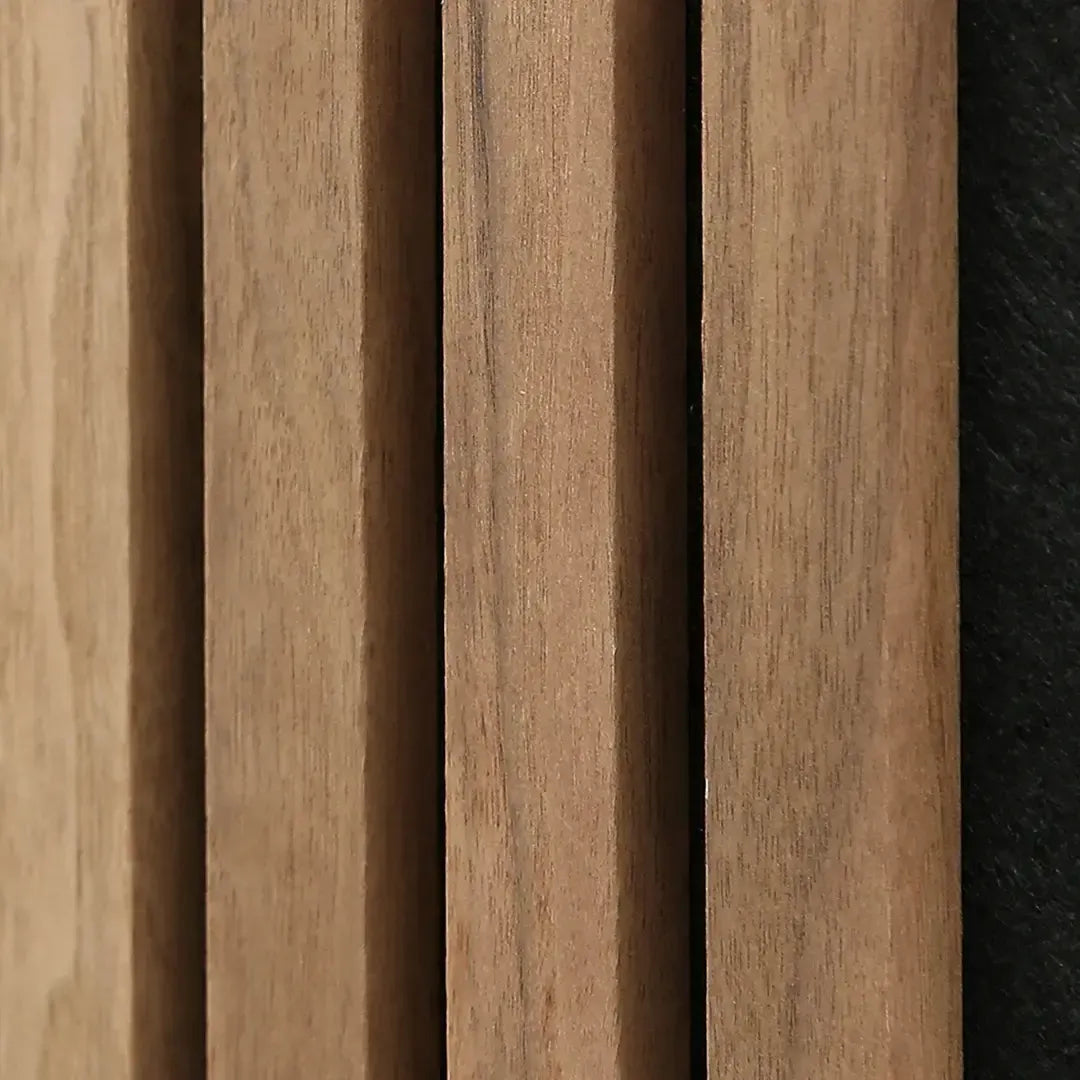
Walnut is the finish that works in almost every reception layout, from a minimalist Pilates studio to a dark-toned CrossFit box. The slats sit over an acoustic-rated backing, so the same wall that looks warm also cuts the slap-back off a tile floor.
It's one of six picks on this list and the one most studios default to because it pairs with both light oak flooring and black gym equipment without a clash. For 2026 boutique fitness builds where the reception doubles as a retail display wall, this is the lowest-risk finish to spec first. Buy.
Acoustic Slat Wall Panel – Walnut
2. Acoustic Slat Wall Panel – Natural Oak with Gray Felt — the acoustic workhorse
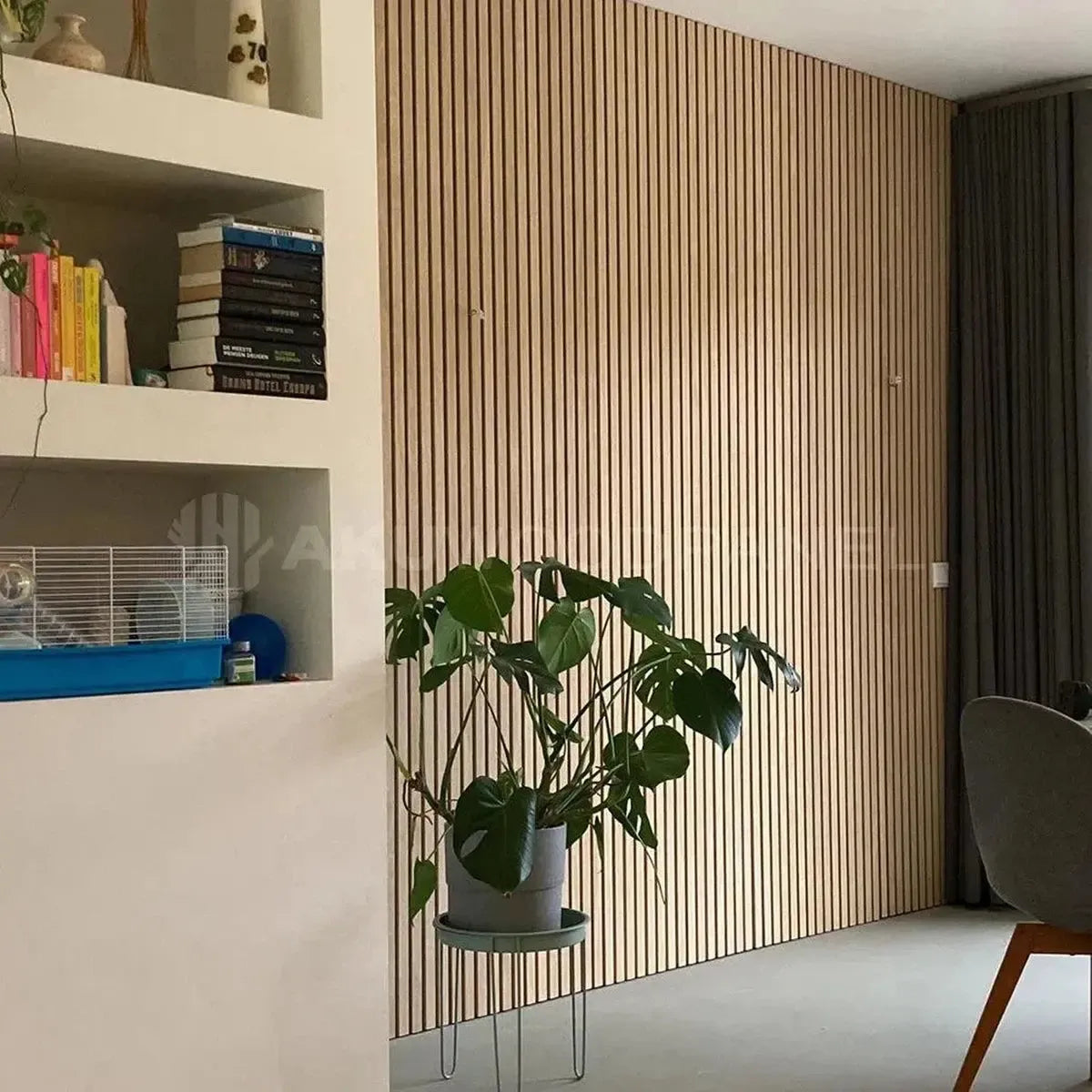
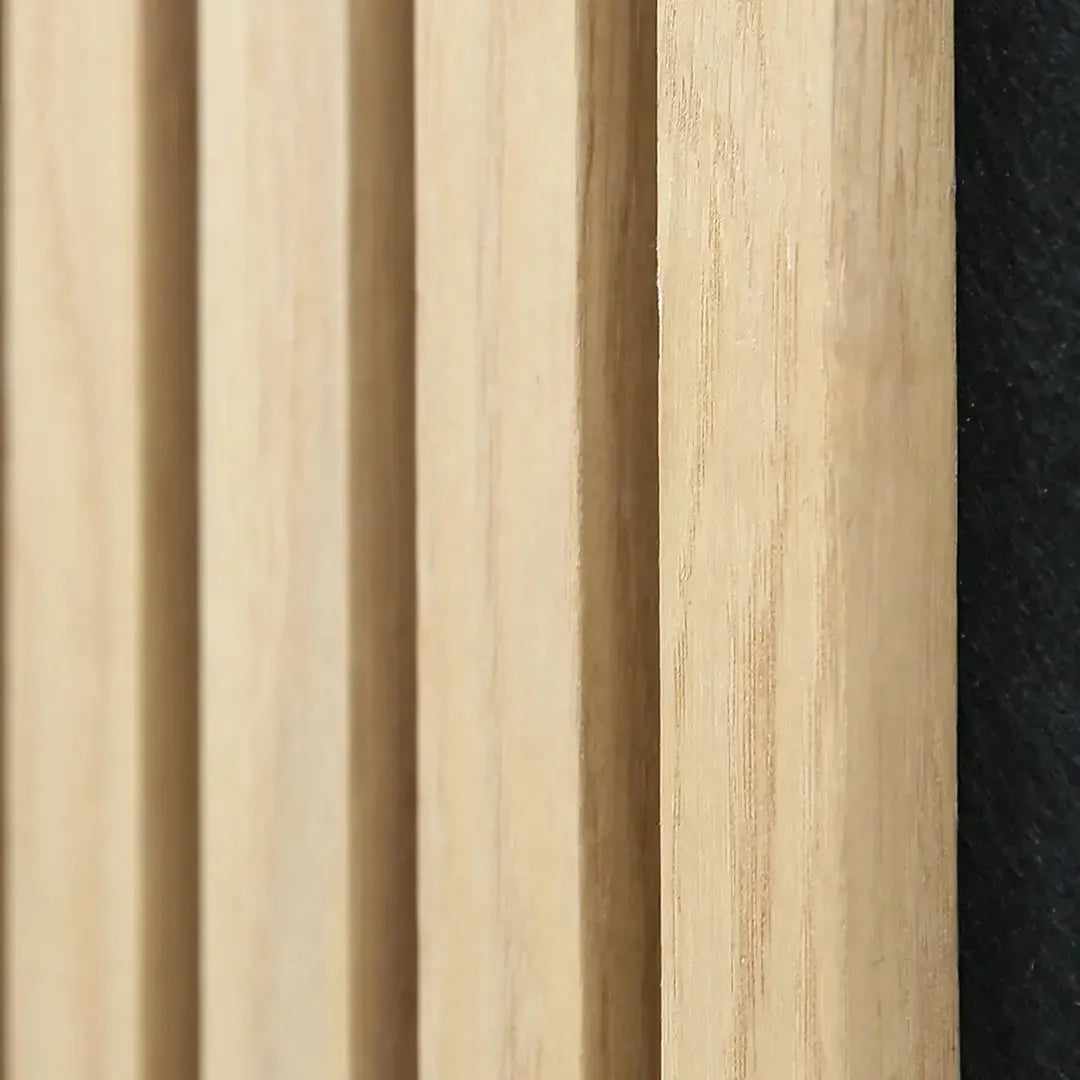
The gray felt backing is the detail that separates this pick from a purely cosmetic slat wall. Felt-backed slats absorb sound at the mid-to-low frequencies where bass-heavy class music and voice traffic both sit, which is exactly the noise profile a shared studio-reception wall deals with.
This is the pick to spec when the reception backs directly onto a cycling or HIIT room rather than a quiet yoga studio — the noise load is higher, so the backing needs to do more work. Natural oak keeps the tone light enough to still feel like a wellness brand rather than a nightclub. Buy.
Acoustic Slat Wall Panel – Natural Oak with Gray Felt
3. Hexagon Acoustic Panel – Walnut — the wildcard
Hexagon panels break the straight-line slat pattern that every competitor studio down the street already uses. They install as individual tiles, which makes them a strong choice for a small reception nook, a check-in podium backdrop, or a feature strip behind the front desk rather than a full wall.
Because each tile is acoustic-backed, a partial hexagon accent still pulls double duty on sound instead of being pure decoration. It's a higher-effort install than a full slat panel run, so it earns a Consider rather than an outright Buy for reception areas under active daily foot traffic.
Hexagon Acoustic Panel – Walnut
4. Fluted Wall Panel – Natural Oak — the light-touch pick
Fluted panels give the vertical-groove look that reads as high-end retail, and the natural oak tone brightens a reception that gets limited daylight. The trade-off: fluted profiles carry less acoustic mass than a felt-backed slat panel, so they soften noise more than they eliminate it.
This is the right call for a reception that's adjacent to a quiet studio — yoga, stretch, recovery — where the noise problem is mild reverb, not bass bleed. Spec it for aesthetics first and acoustics second. Consider.
5. Acoustic Slat Wall Panel – Black Oak — the moody statement wall
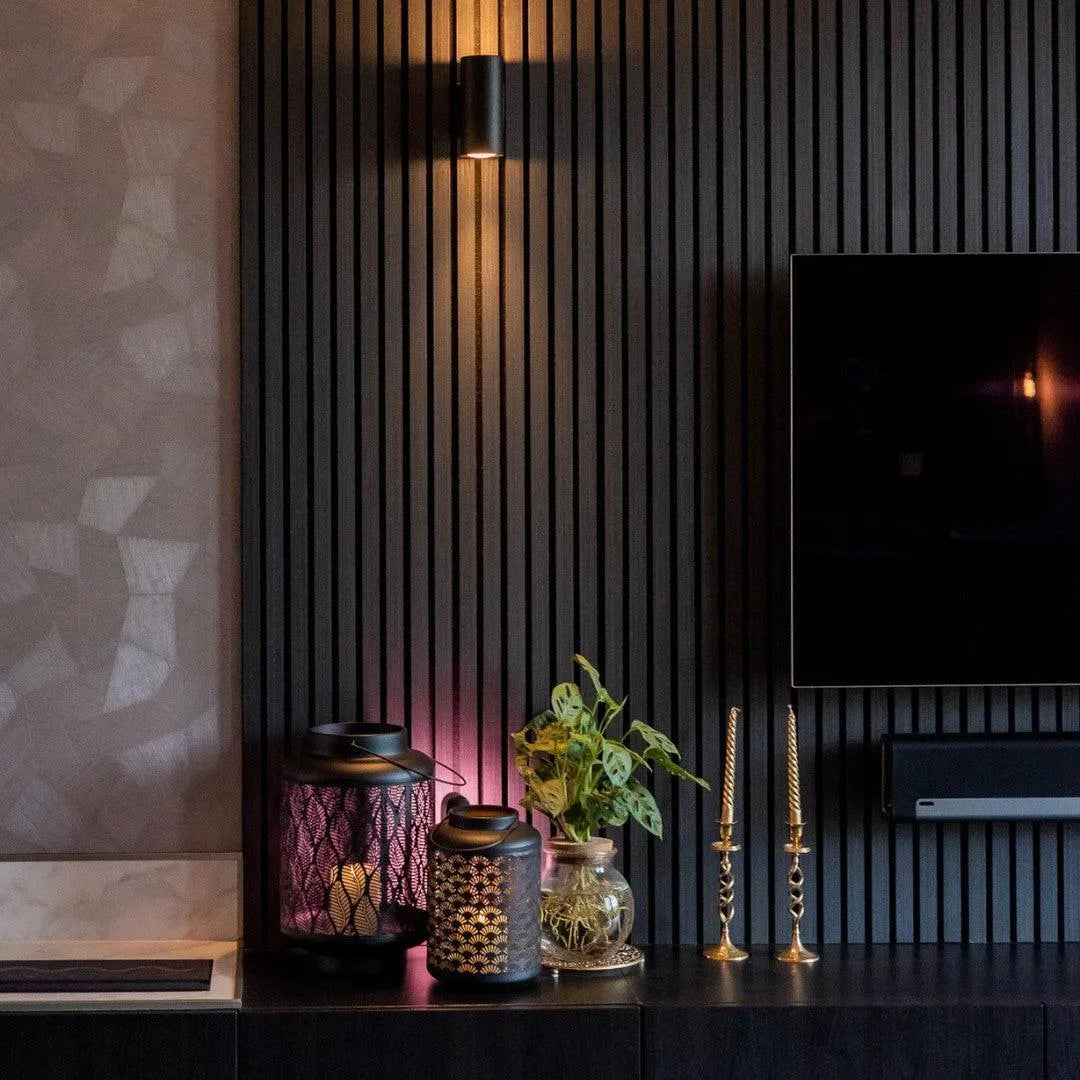
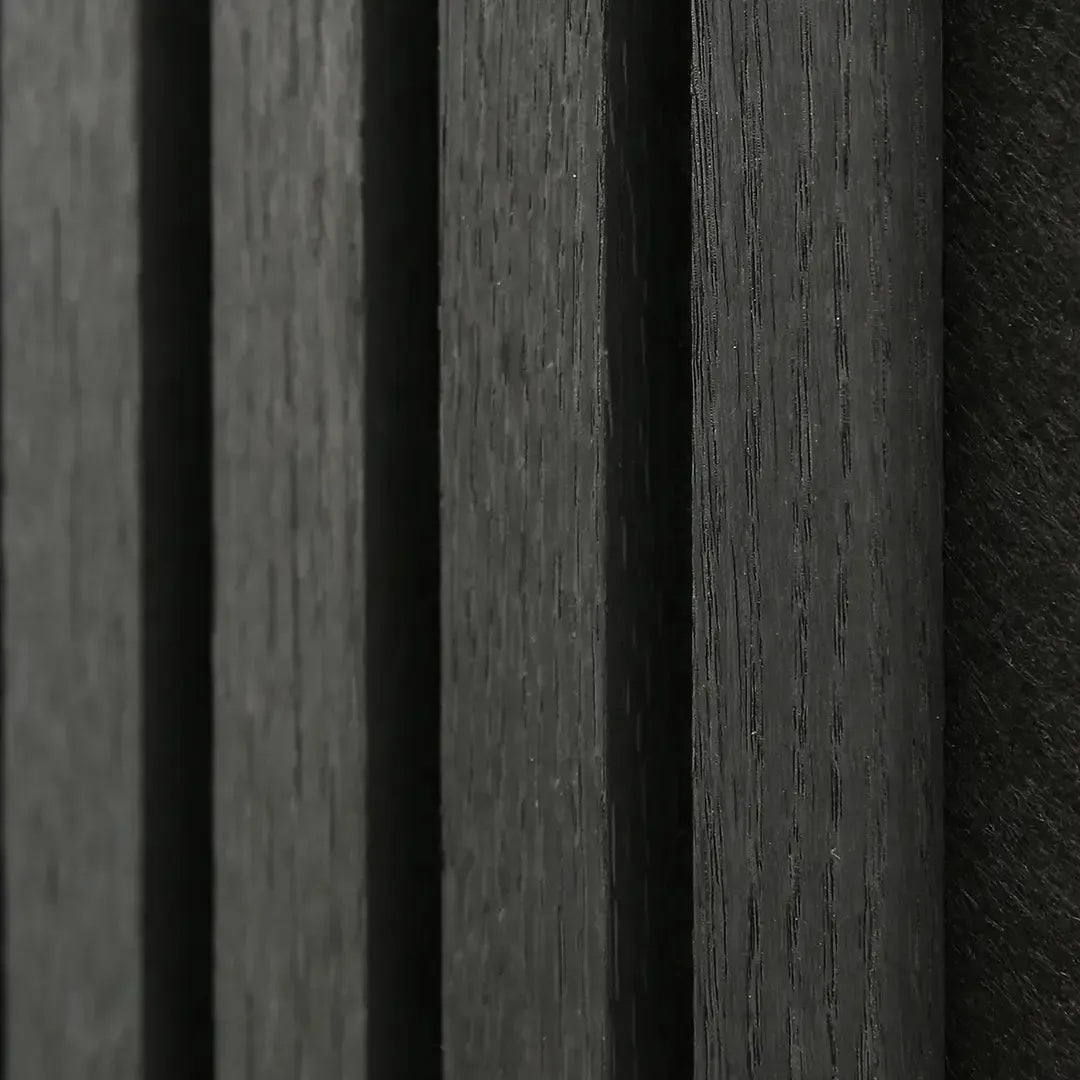
Black oak gives a reception the dark, boutique-gym look that's been trending across strength and combat-sport studios through 2026. It carries the same acoustic backing as the walnut and natural oak slat panels, so the moodier tone doesn't cost anything in noise control.
The risk is lighting: black finishes need brighter fixtures to avoid making a small reception feel like a cave. If the space already runs warm, ambient lighting, this is a strong pick. If it's fluorescent-lit and tight, it can read heavy. Consider.
6. Acoustic Slat Wall Panel – Smoked Oak — the in-between finish
Smoked oak sits between the brightness of natural oak and the depth of black oak, which makes it the compromise pick when a studio can't commit to either extreme. Acoustically it performs the same as the rest of the slat line.
The downside is that a compromise finish rarely photographs as distinctly as walnut or black oak for social content, which matters for a boutique studio that leans on Instagram-worthy front desks to drive walk-ins. Fine on performance, forgettable on branding. Consider.
What to avoid
- Flat slat-look MDF panels without a felt or acoustic core. They mimic the grooved look but do nothing to absorb reflected sound — you'll pay for the aesthetic and still hear the echo.
- Full-gloss laminate wood-look panels. Glossy finishes reflect sound almost as badly as bare drywall; matte, textured veneers perform better in a reception with hard flooring.
- Panel colors chosen to match a mood board instead of the adjoining studio noise level. A reception backing onto a spin room needs felt-backed acoustic coverage regardless of what finish looks best in photos.
Comparison table
| Pick | Best For | Finish Tone | Acoustic Backing | Verdict |
|---|---|---|---|---|
| Acoustic Slat Wall Panel – Walnut | General reception, retail wall | Warm mid-tone | Yes | Buy |
| Acoustic Slat Wall Panel – Natural Oak with Gray Felt | Reception next to loud classes | Light, gray felt | Yes, heavier | Buy |
| Hexagon Acoustic Panel – Walnut | Small accent nook | Warm mid-tone | Yes, tile-based | Consider |
| Fluted Wall Panel – Natural Oak | Reception next to quiet studios | Light oak | Partial | Consider |
| Acoustic Slat Wall Panel – Black Oak | Dark, moody boutique brand | Dark charcoal-brown | Yes | Consider |
| Acoustic Slat Wall Panel – Smoked Oak | Compromise finish | Mid-dark | Yes | Consider |
Where to buy
- Order a sample before committing to a full reception wall. Wood tone under studio lighting rarely matches how it looks on a screen, and a reception wall is too visible to get wrong.
- Buy panels together in one order. Wood veneer batches vary slightly; mixing orders from different runs risks visible tone mismatch across a single wall.
- Confirm felt backing on the SKU, not just the finish name. Two panels can look identical in a photo while one carries acoustic backing and the other doesn't.
FAQ
What's the best acoustic wood panel for a fitness studio reception in 2026?
Acoustic Slat Wall Panel in Walnut is the safest all-around pick for a boutique fitness studio reception in 2026 because it pairs acoustic backing with a finish that matches most studio color schemes. Natural Oak with Gray Felt is the stronger choice when the reception sits next to a loud cycling or HIIT room.
Do wood slat panels actually reduce echo in a gym reception area?
Yes, when the slats sit over a felt or acoustic-rated backing rather than solid MDF. The backing absorbs reflected sound instead of bouncing it, which is what actually cuts echo off hard reception floors and glass storefronts.
Is felt-backed slat paneling better than plain wood slat panels for noise control?
Felt-backed slat paneling absorbs meaningfully more sound than plain wood-look slat panels without a backing. Plain slat panels without acoustic material behind them are decorative only and don't meaningfully change how a room sounds.
How many wall panels does a boutique studio reception typically need?
It depends entirely on the reception's wall dimensions, since panel coverage is measured by square footage of the specific wall being treated. Measure the target wall first and order a sample to confirm finish before calculating full coverage.
Can hexagon acoustic panels handle high-traffic areas like fitness studio receptions?
Hexagon Acoustic Panels hold up fine in high-traffic receptions when used as an accent section rather than a full wall, since each tile is individually mounted and acoustic-backed. They work best behind a check-in desk or as a feature strip rather than covering an entire busy corridor.
Are fluted wall panels acoustic or just decorative?
Fluted wall panels provide some sound softening but carry less acoustic mass than a felt-backed slat panel, so treat them as a light-touch option. They work best in receptions next to quiet studios like yoga or stretch rooms rather than bass-heavy class spaces.
How much sound do wood slat panels absorb compared to bare drywall?
Felt-backed wood slat panels absorb noticeably more reflected sound than bare drywall, which reflects sound almost entirely. The exact difference depends on wall coverage and room shape, so full-wall coverage in high-noise zones performs better than partial accents.
Should a fitness studio order samples before buying full acoustic panels?
Yes, ordering a sample before a full order is the standard way to confirm wood tone under a studio's actual lighting. Reception walls are the most visible surface in the building, so a color mismatch is expensive to fix after full installation.
One last thing
Most bass bleed and voice noise in a fitness studio reception sits in the low-to-mid frequency range, not the high frequencies that thin foam acoustic tiles are built to catch. That's why a felt-backed wood slat panel outperforms a foam-tile fix for this specific noise problem — it's built for the frequency range a reception desk actually deals with, not the range a home-studio vocal booth deals with.



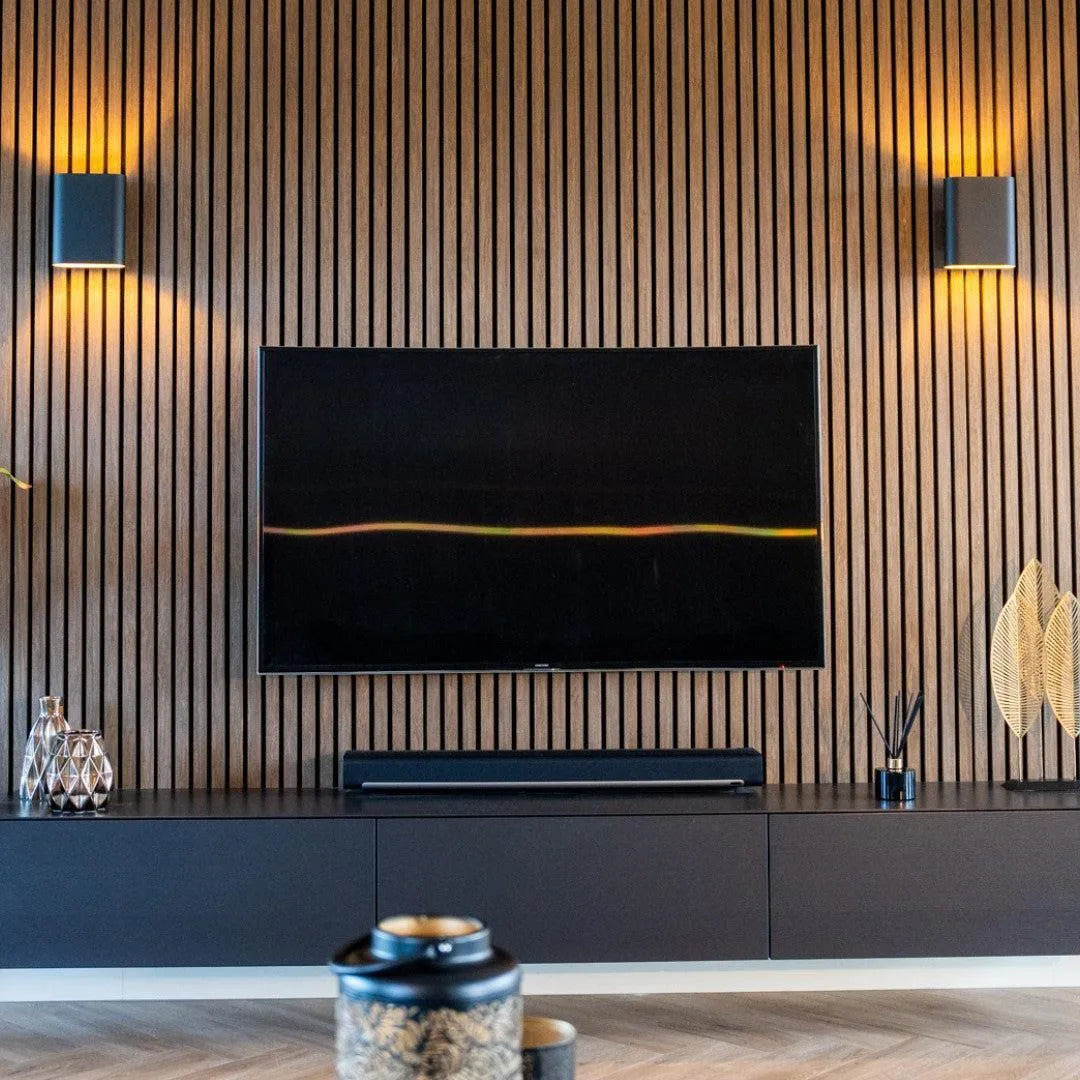
 Better performance and aesthetic appeal
 In Stock