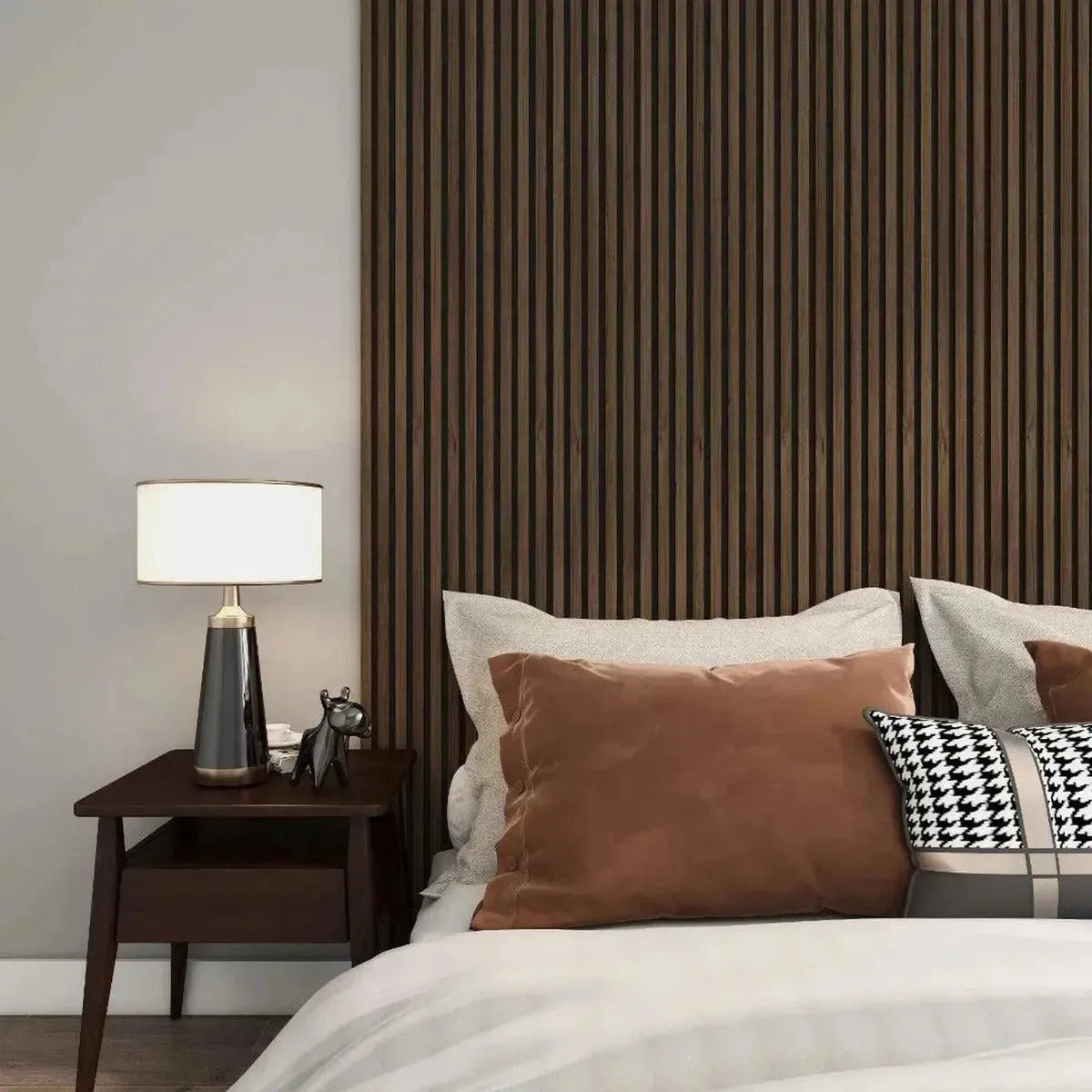
Student center common areas take a beating: hard floors, high ceilings, and constant foot traffic turn every lounge and dining commons into an echo chamber, and acoustic panels for student center common areas fix that without making the room look like a 2004 dorm hallway.
- Acoustic Slat Wall Panel Natural Oak wins for high-traffic lounges at $169.95 in 2026 - buy it.
- Hexagon Acoustic Panel Walnut with Gray Felt hits 0.75 NRC for open dining commons - consider it.
- Skip thin foam tiles in student unions - they fray under 18-to-22-year-old traffic within a semester.
- Order the $10 Full Sample Box before committing to a bulk student center order in 2026.
Why this matters
A student center common area isn't a living room. It's a 24/7 space with hundreds of people moving through it daily, hard tile or polished concrete underfoot, and a ceiling height that turns conversation into noise. Facilities teams keep specifying the same drywall-and-carpet combo that did nothing for acoustics in 2016 and does nothing in 2026 either.
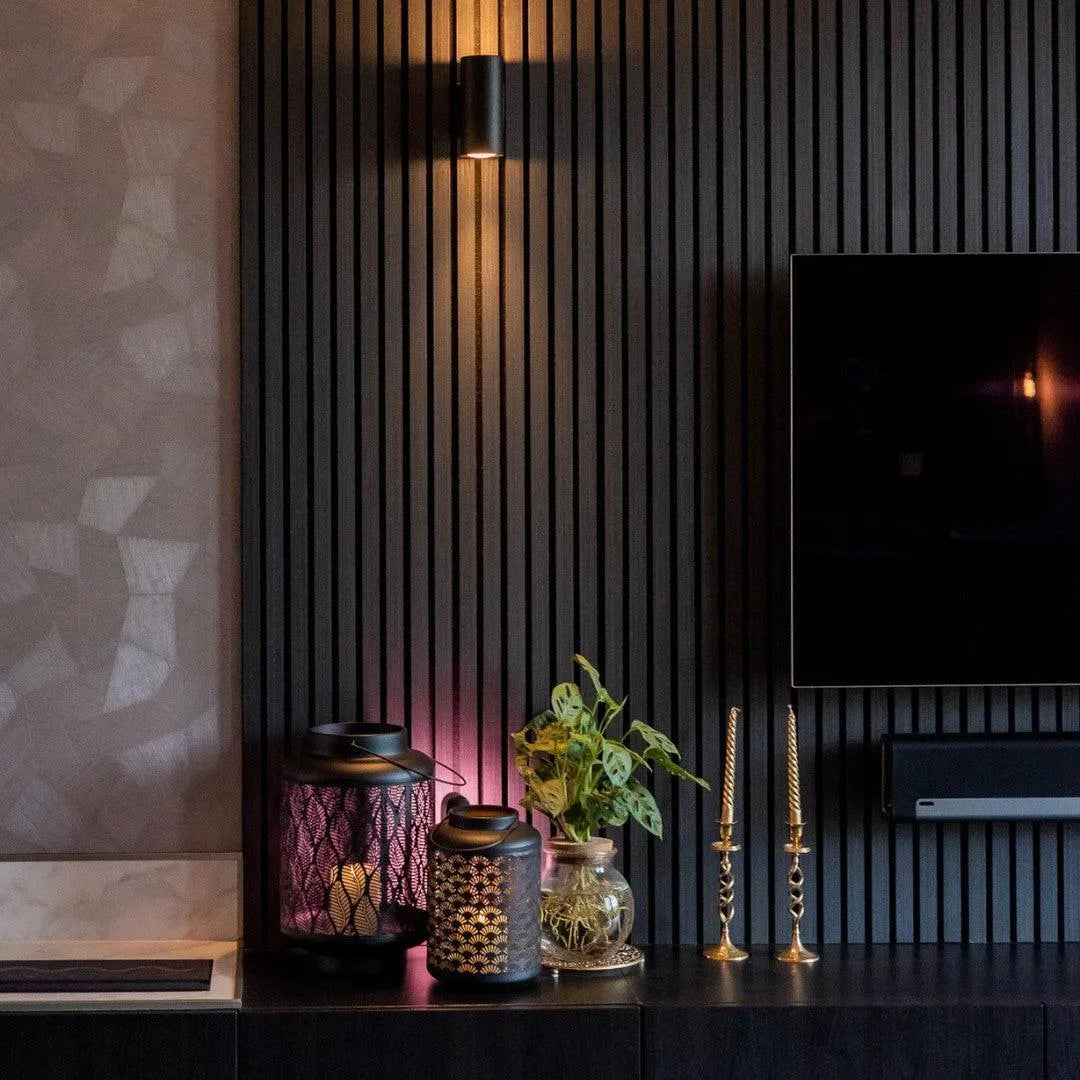
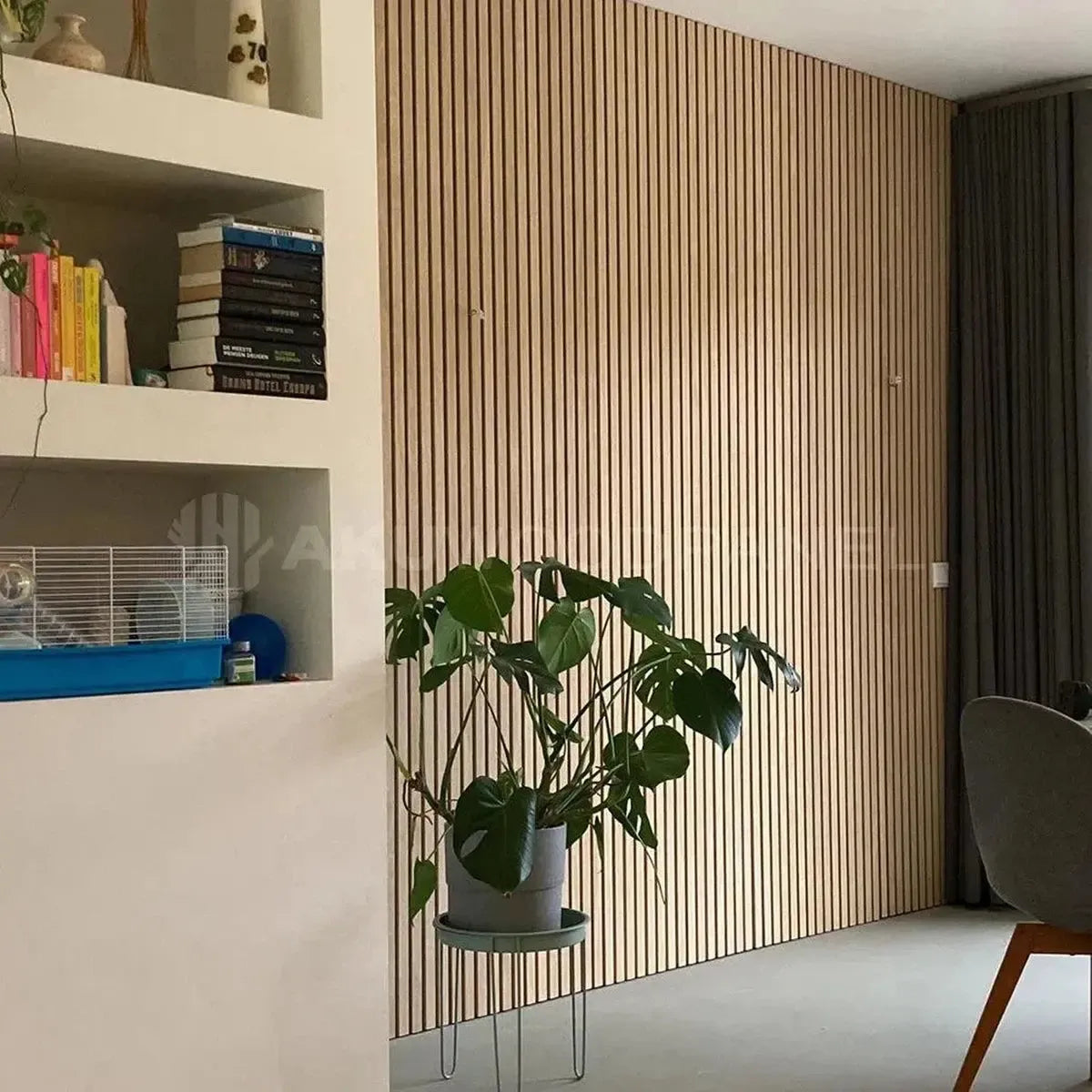
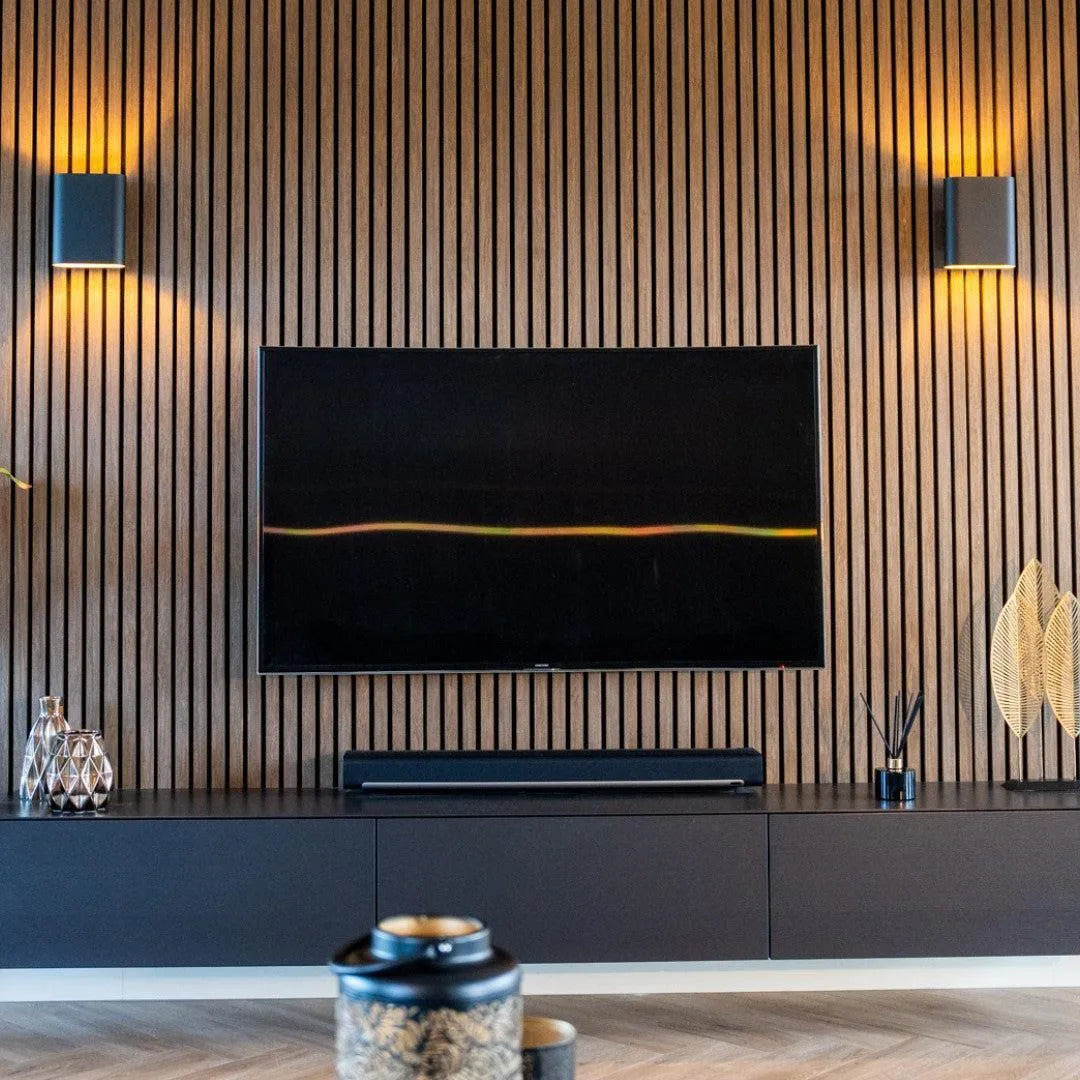
Wood acoustic panels change the equation because they absorb sound at the slat gap or felt backing while still reading as a design upgrade, not a retrofit. The Acoustic Slat Wall Panel Natural Oak is the pick most campus facilities teams land on first, because it solves the echo problem in a lounge without requiring a full renovation budget.
If your project also covers an adjacent lecture hall, the acoustic math changes - ceiling height, seating density, and speech intelligibility all shift the spec, and the guide on acoustic panels for university lecture hall noise control covers that case separately.
Who this is for
This guide is built for facilities directors, student affairs administrators, and architects specifying finishes for a student center renovation or new build in 2026. You're buying for a lounge, dining commons, game room, or study zone that gets used by hundreds of students a day, not a quiet office. You need panels that survive impact, meet commercial fire code, and can be ordered in matching batches across multiple rooms.
What to look for in acoustic panels for student center common areas
Sound absorption where it actually gets loud
A student center lounge with 16-foot ceilings and tile flooring reflects sound instead of absorbing it, which is why conversations turn into a wall of noise by 3pm. Look for a stated NRC (noise reduction coefficient) rather than a vague "acoustic" label - the Hexagon Acoustic Panel with Gray Felt line carries a documented 0.75 NRC, which is the kind of number you can put in a procurement spec.
Scuff and impact resistance for 18- to 22-year-old traffic
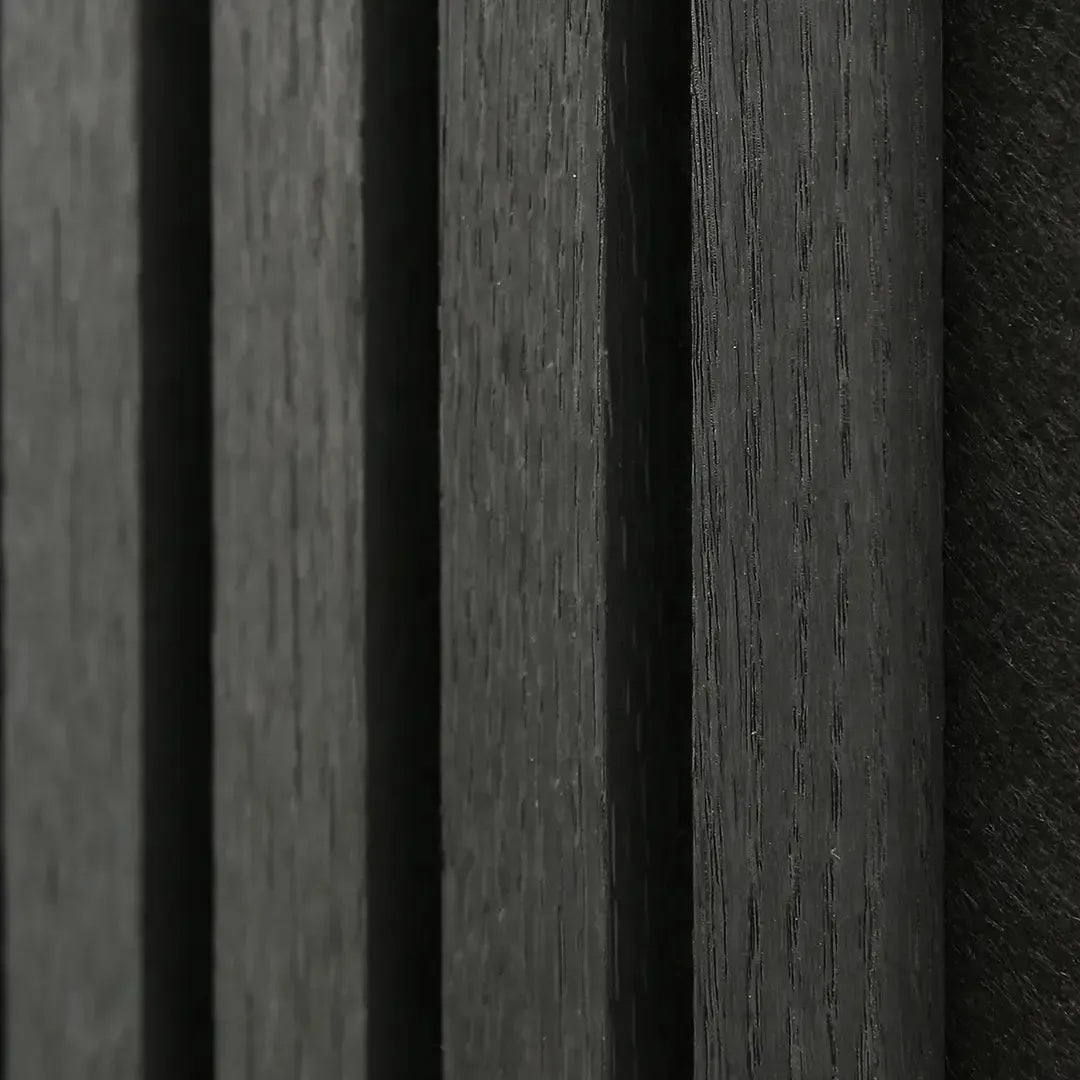
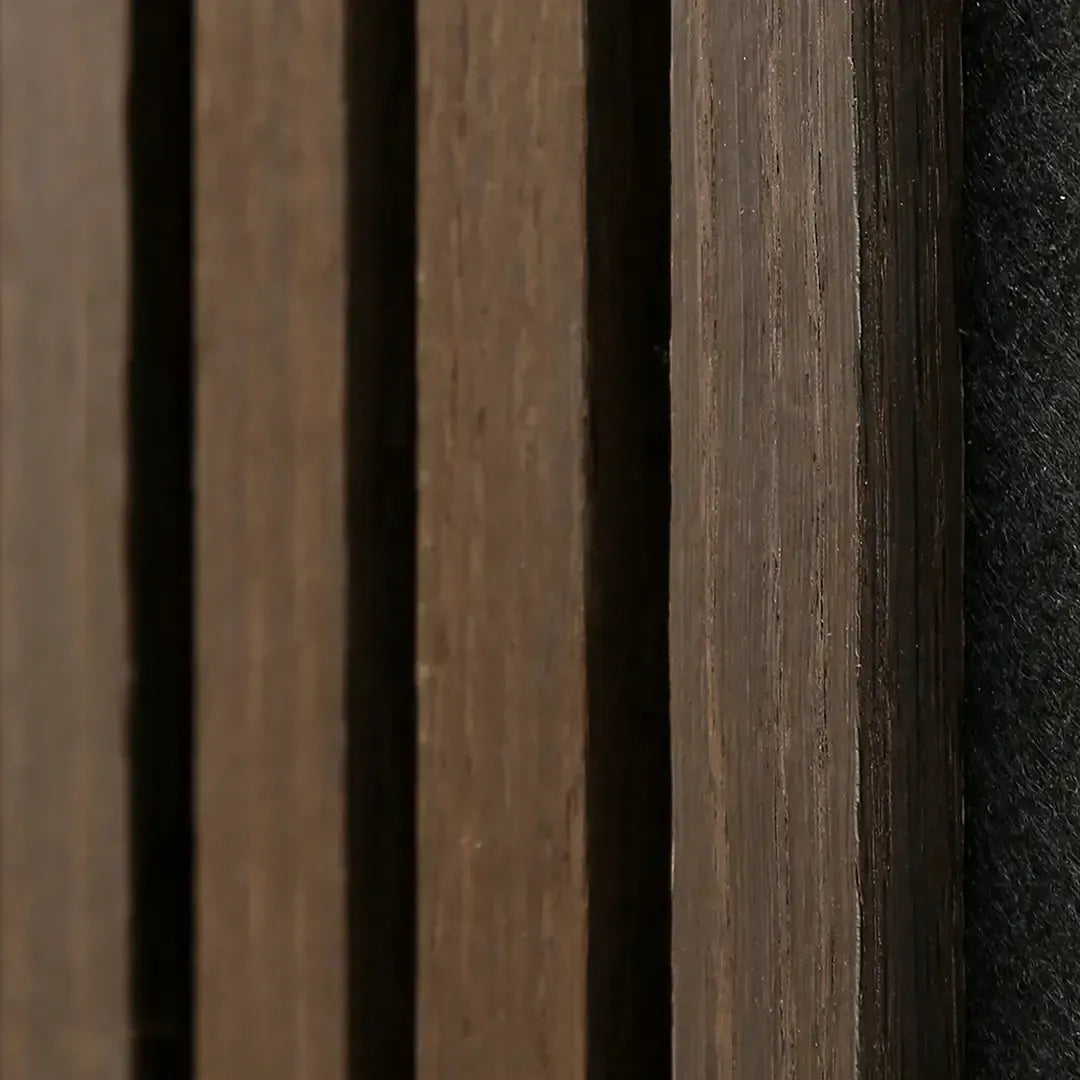
Backpacks, skateboards, rolling carts, and furniture moved during finals week all hit wall panels at knee to shoulder height. A premium 3-sided wood veneer finish holds up to that kind of contact far better than a fabric-wrapped acoustic tile, which tears at the corners within a year of student traffic.
Fire rating for commercial and institutional buildings
Any material specified for a student center common area has to clear the same commercial fire code as the rest of the building. Confirm fire rating documentation before you finalize a spec - it's a five-minute conversation with the supplier that saves a rejected submittal later.
Consistent batch supply for multi-room orders
Student centers rarely get treated one room at a time. If you're panelling a lounge, a dining commons, and a study zone in the same renovation cycle, you need finish consistency across every box shipped, not a close-enough match six months apart.
A finish that still looks current after the next renovation cycle
Most campus capital projects run on a 7-to-10-year cycle. A natural oak or walnut wood grain finish ages more gracefully than a trend color, which matters when the next facilities director inherits your 2026 spec in 2033.


Top picks for student center common areas
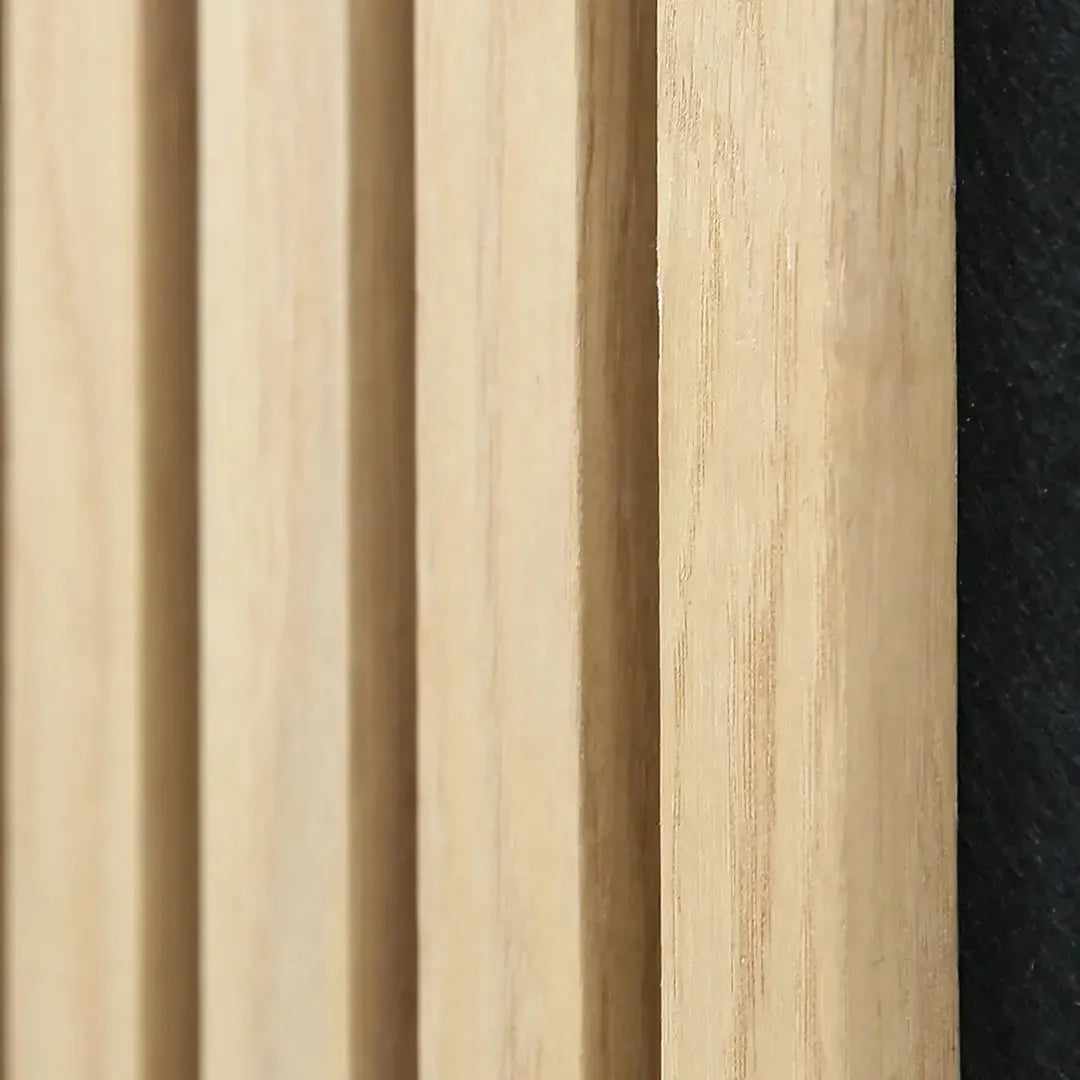
Acoustic Slat Wall Panel Natural Oak - the safe pick. At $169.95, this is the panel most facilities teams land on for a lounge or study zone because the wood grain reads warm without looking trendy, and the slat gap does real work absorbing sound off hard flooring. Verdict: Buy.
Acoustic Slat Wall Panel Smoked Oak with Gray Felt - the noise killer. The felt backing behind the slats adds absorption on top of the slat gap itself, which matters most in a dining commons where dishware and conversation stack on top of each other at $169.95 per panel. Verdict: Buy.
Hexagon Acoustic Panel Walnut with Gray Felt - the lounge statement. Sold in 32-inch panels, 4 per box, at $165.95, this is the pick for an open lounge or game room where you want a geometric feature wall that also carries a documented 0.75 NRC. Verdict: Consider.
Fluted Wall Panel Natural Oak - the budget flex. The grooved profile reads modern and costs less to spec across a large wall, but the shallower groove depth absorbs less sound than a slat-and-felt combo, so it fits a hallway or reception desk better than a high-echo cafeteria. Verdict: Consider for low-noise zones, Skip for open dining commons.
What to avoid
- Thin foam acoustic tiles marketed as "commercial acoustic panels." They post decent lab NRC numbers but fray and crumble at the edges under student traffic inside a single semester.
- Fabric-wrapped panels with no impact backing. Backpacks and rolling carts snag the fabric and tear it within months in a high-traffic common area.
- Single flat neutral finishes. A plain white or beige panel shows every scuff mark immediately; a wood grain finish hides wear far longer across a multi-year renovation cycle.
Verdict comparison table
| Pick | Sound control | Traffic durability | Price | Verdict |
|---|---|---|---|---|
| Acoustic Slat Wall Panel Natural Oak | Slat-gap absorption | High | $169.95 | Buy |
| Acoustic Slat Wall Panel Smoked Oak with Gray Felt | Slat + felt backing | High | $169.95 | Buy |
| Hexagon Acoustic Panel Walnut with Gray Felt | 0.75 NRC | High | $165.95 | Consider |
| Fluted Wall Panel Natural Oak | Shallow groove | Medium | Contact for quote | Consider / Skip for high-echo rooms |
FAQ
What's the best acoustic panel for student center common areas?
The Acoustic Slat Wall Panel Natural Oak is the strongest all-around pick for 2026 student center common areas at $169.95, because the slat gap absorbs sound off hard flooring while the finish holds up to high traffic. For open lounges needing more absorption, the felt-backed Smoked Oak option or the 0.75 NRC Hexagon Acoustic Panel are stronger fits.
How much do acoustic panels cost for a college common room?
Wood acoustic slat panels from AKU Woodpanel run $165.95 to $182.95 depending on finish, with sample options starting at $10 for committee approval before a bulk order. Larger multi-room student center projects should request a project quote for exact quantities.
Do wood acoustic panels meet fire codes for commercial buildings?
Fire rating requirements vary by building code and jurisdiction, so confirm documentation with the supplier before finalizing a student center spec. This is a standard step for any commercial interior finish, not just wood acoustic panels.
Is felt-backed or hexagon better for open lounges?
Felt-backed slat panels like the Smoked Oak with Gray Felt option add absorption across a full wall run, while hexagon panels concentrate sound control into a geometric feature area. Choose felt-backed slats for wall-to-wall coverage and hexagon panels when you want a statement zone with a documented 0.75 NRC.
How many panels do I need for a student center lounge?
Panel count depends on wall square footage and how much coverage you want - full wall treatment absorbs more sound than a partial feature wall. Measure the wall area first and order a sample box to confirm finish before calculating full quantities.
Can acoustic panels handle high foot traffic in a student union?
Premium 3-sided wood veneer panels hold up to contact from backpacks, carts, and furniture far better than fabric-wrapped acoustic tiles. Avoid thin foam tiles in any high-traffic student union area since they fray at the edges within a semester.
What's the difference between slat and hexagon acoustic panels?
Slat wall panels run in long linear boards with gaps between slats for sound absorption, while hexagon panels are geometric tiles, in this case 32 inches, sold 4 per box. Slats suit full wall coverage; hexagons suit accent walls and lounges wanting a decorative geometric pattern.
How long do acoustic wood panels last in common areas?
Premium 3-sided wood veneer panels are built for long-term commercial use, and wood grain finishes hide scuffs better than flat painted surfaces over a multi-year renovation cycle. Exact lifespan depends on installation and maintenance in each specific building.
One last thing
Most facilities teams skip the sample step and regret it after the first box arrives in the wrong stain. The Full Sample Box covers Natural, Smoked Oak, and Walnut for $10 - cheap insurance before you commit a five-figure line item to a student center common area renovation in 2026.


 Better performance and aesthetic appeal
 In Stock