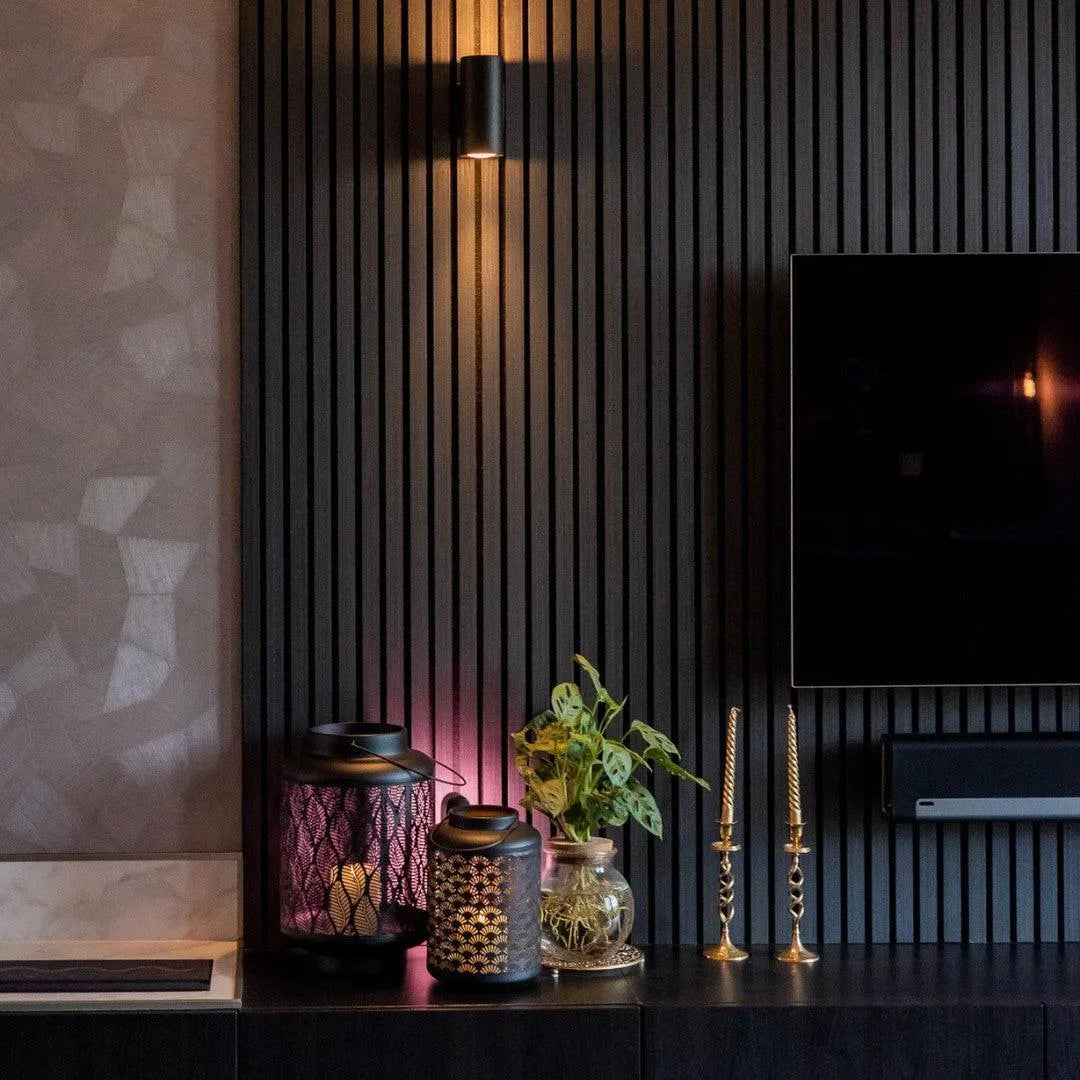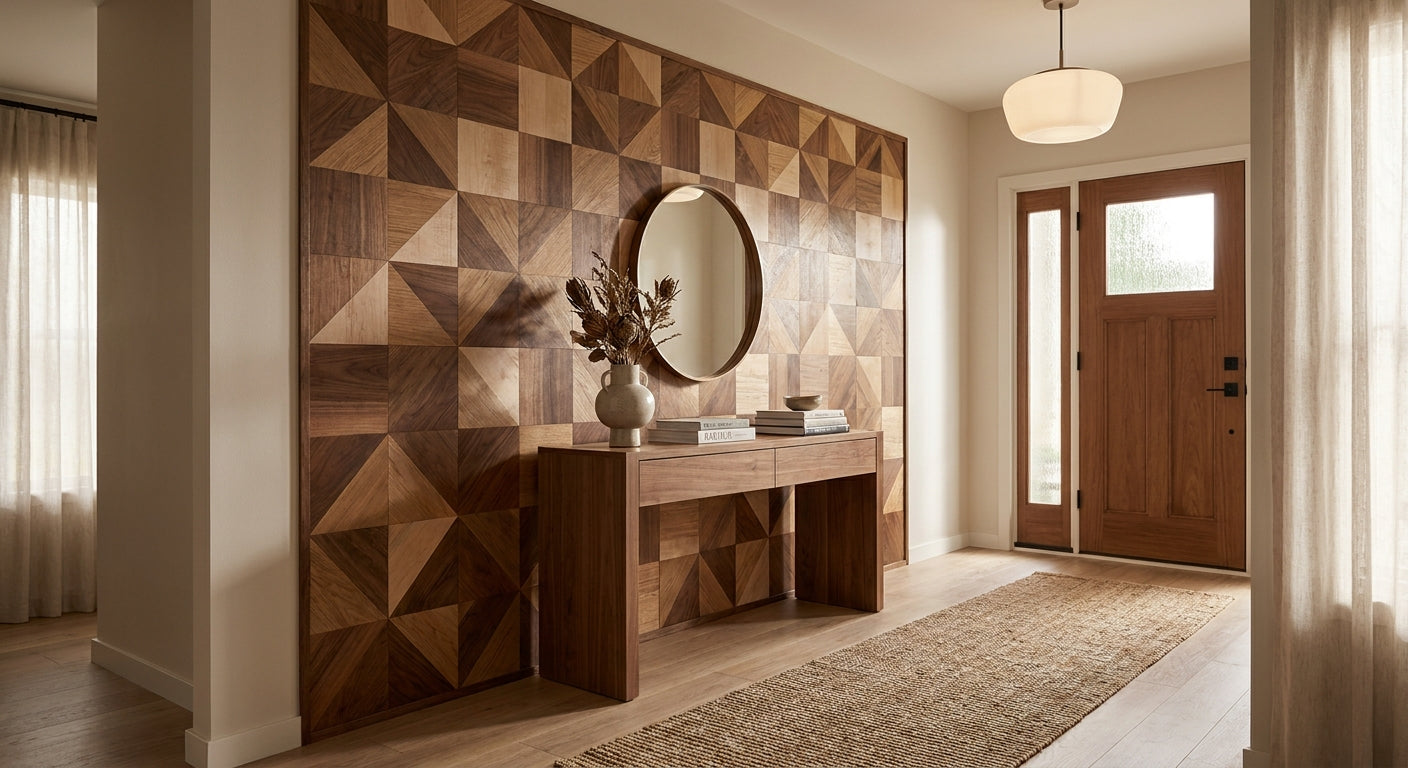
Wood mosaic panels turn a flat entryway or foyer wall into the first impression that actually lands, and picking the right hexagon or 3D tile pattern in 2026 comes down to scale, finish, and how the wall handles daily bag straps and umbrella drips.
TL;DR: For most homes, the Hexagon Acoustic Panel in Natural Oak is the safest wood mosaic panel pick for entryway and foyer walls in 2026 — real oak veneer, a repeatable six-sided pattern, and acoustic backing that softens the echo you get off hard entry floors. If you want a deeper, more sculptural mosaic look, the 3D Wood Wall Panel in White Oak Wood Tile wins on shadow-line depth. Skip full-length slat panels in any foyer under roughly 40 square feet — the long linear grain reads as hallway paneling, not an entrance statement. Buy hexagon or 3D tile for pattern impact; save fluted or slat styles for bigger, open walls.
Why this matters
A foyer is the one wall in the house that gets seen by everyone and lived on by no one — no couch to hide behind, no rug to soften footsteps. That combination of high visibility and hard, bare surfaces (tile, stone, painted drywall) is exactly why mosaic-pattern wood panels do more work here than in a living room. The repeating hexagon or 3D tile geometry catches light from the front door at an angle a flat wall never could, and the wood veneer plus felt backing on several AKU Woodpanel styles absorbs some of the slap-back echo that makes small entries sound louder than they are.
Most entry foyers run somewhere between 40 and 80 square feet, tight enough that pattern scale genuinely matters — a pattern that reads as elegant on a 12-foot living room wall can look busy crammed into a 6-foot foyer run. That's the calibration this guide is built around.
Who this is for
This guide is for homeowners and renovators tackling a foyer or entry hall wall between roughly 4 and 10 feet wide, usually flanked by a front door, a closet, or a staircase run. It's built for anyone choosing between a flat accent color, wallpaper, and a textured wood mosaic panel, and trying to figure out which pattern and finish actually suits a small, high-traffic space instead of a large open room.
What to look for in wood mosaic panels for entryway and foyer walls
Pattern scale relative to wall width
A hexagon or 3D tile mosaic panel reads completely differently at 6 feet of wall versus 16 feet. On a narrow foyer wall, a tighter, smaller-repeat hexagon pattern avoids the "half a tile" cut-off look at the ceiling line or door frame. Measure the actual usable wall width before picking a pattern, not just the room's total square footage.
Real wood veneer versus printed finish
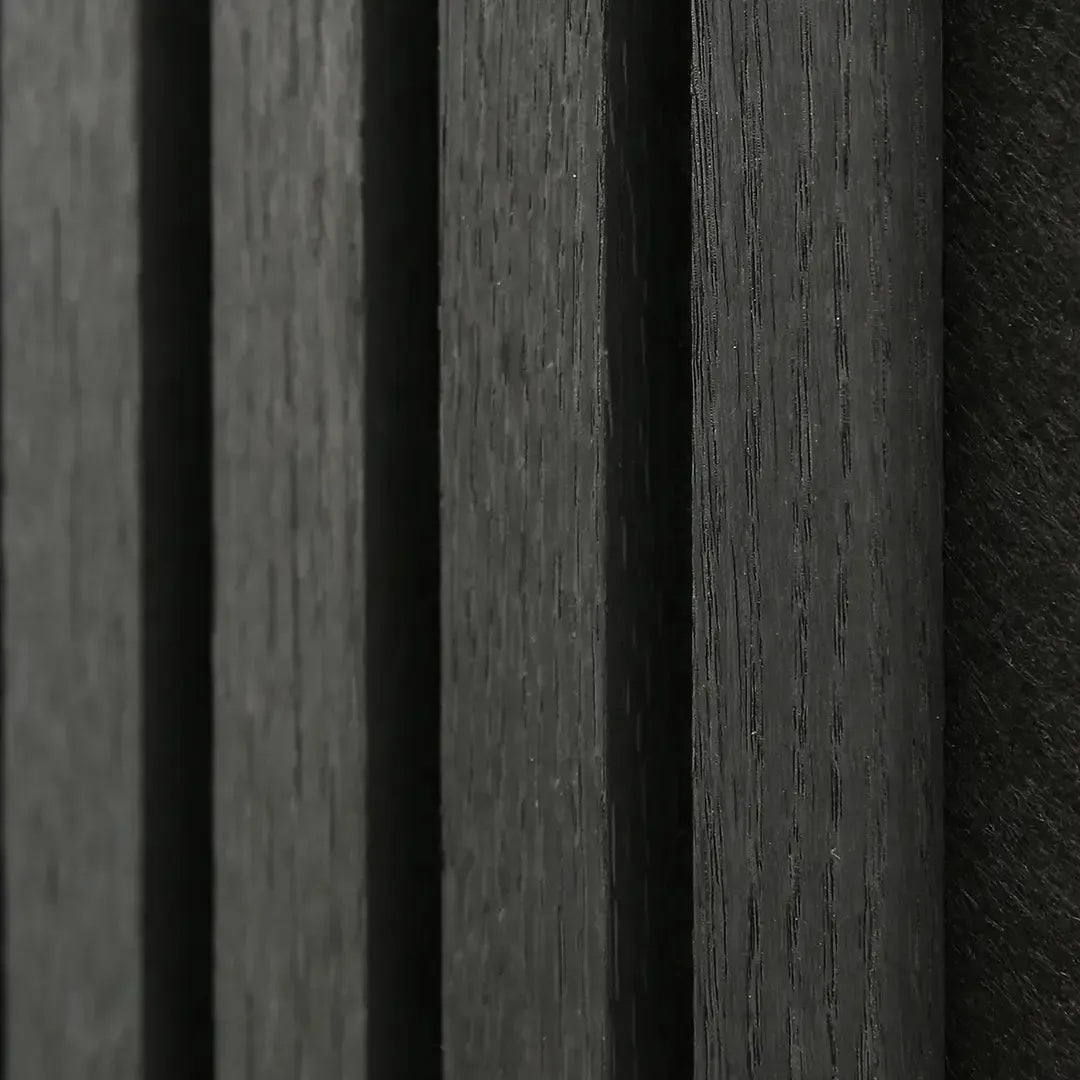
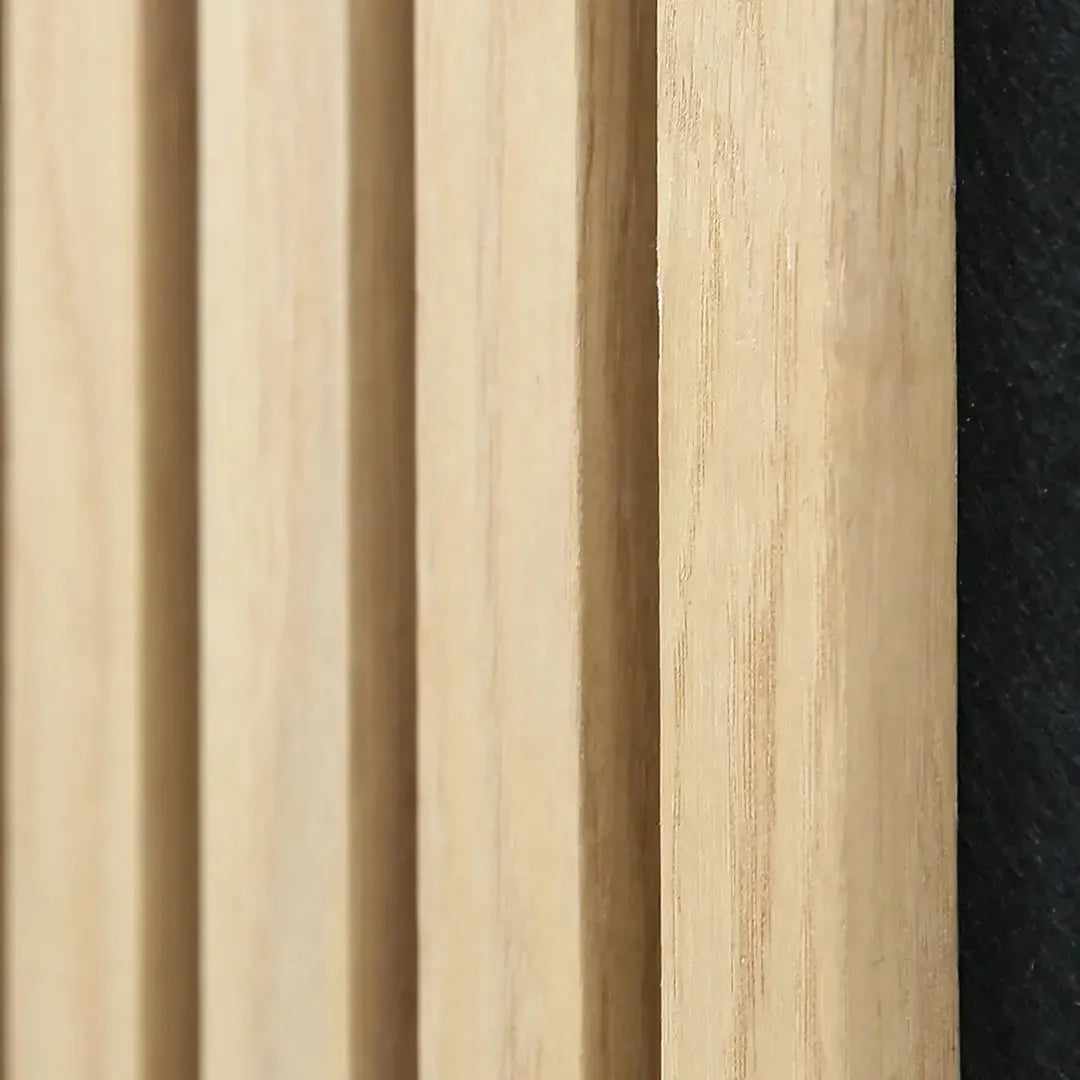
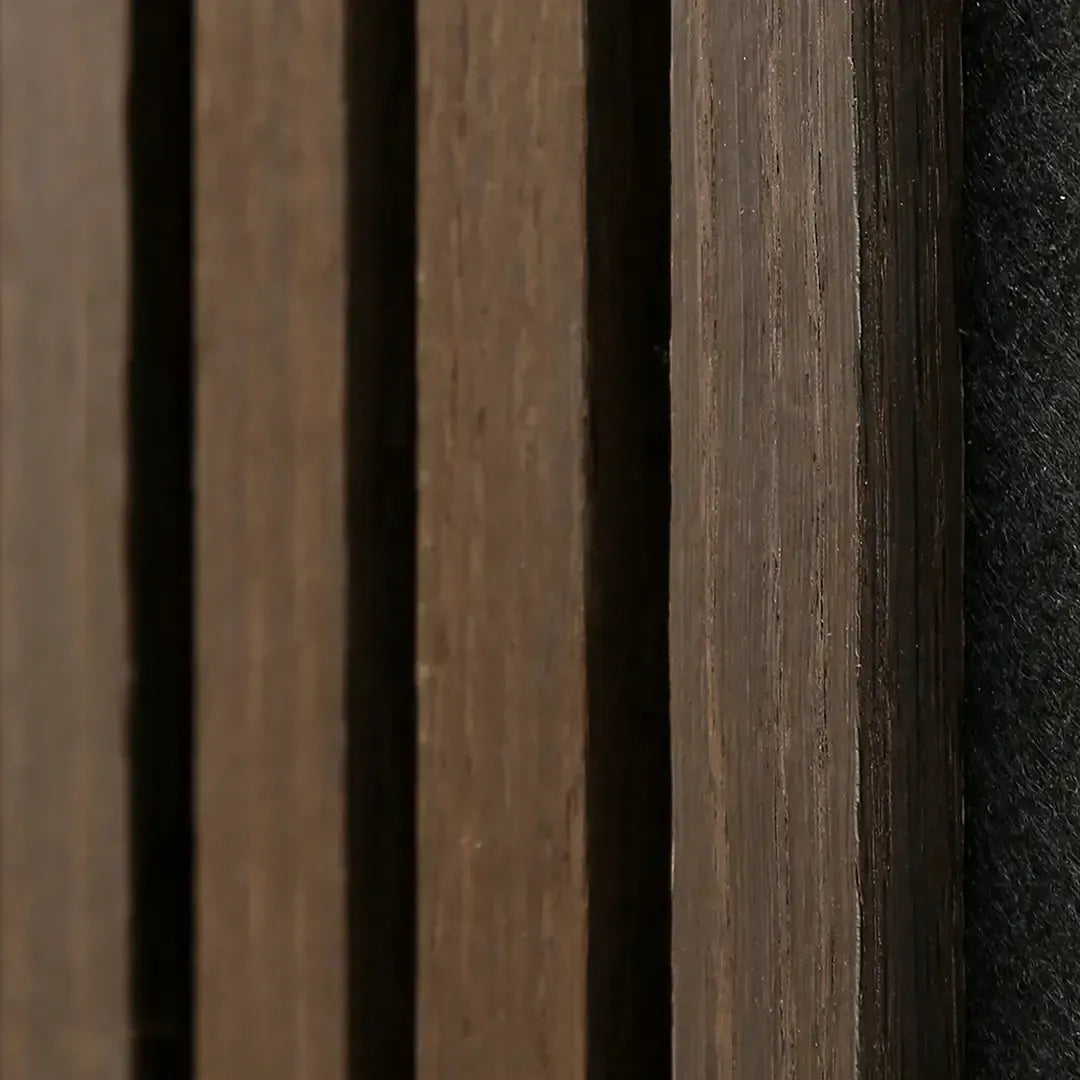
Foyers take direct light from the front door glass or a porch fixture more than almost any other wall in the house, and printed wood-look finishes fade unevenly under that kind of exposure. A real veneer layer — oak, walnut, or smoked oak — ages evenly and can be spot-refinished later if it scuffs from coat hooks or umbrella stands.
Acoustic backing for hard-floor entries
Most foyers pair a hard floor (tile, stone, hardwood) with a hard wall (painted drywall), which is the exact combination that produces flutter echo on voices and closing doors. Panels with a felt backing layer knock down that reflection without you needing a separate acoustic treatment. This matters more in a foyer than almost any other room because there's rarely soft furniture to compensate.
Install method for a tight or awkward wall
Foyer walls often have a return corner, a thermostat, or a light switch interrupting the run. Panels that come with matching end pieces let you finish a cut edge cleanly instead of exposing raw substrate at a corner, which matters more here than on a full, uninterrupted living room wall.
Color contrast against your entry floor and door
A foyer usually shows more of the floor and door trim in the same sightline than a wall you view head-on. Natural oak and lighter tones open up a foyer with a dark floor; black oak or smoked oak reads sharper against pale stone or light hardwood. Pick the finish by looking at your floor and door trim together, not the panel swatch alone.
Top picks for a foyer accent wall
The safe pick: Hexagon Acoustic Panel, Natural Oak Six-sided tiles in a light oak veneer with the option of a gray felt backing layer for extra sound absorption. This is the pattern that works on almost any foyer width because the hexagon repeat is small enough to avoid awkward partial-tile cuts on a narrow wall. Buy — it's the lowest-risk choice for a first wood mosaic accent wall and pairs with most floor tones.
The statement pick: 3D Wood Wall Panel, White Oak Wood Tile A deeper, more sculptural mosaic profile than the flat hexagon tile, built for a foyer that gets strong side light from a door sidelight or transom window. The raised tile geometry throws real shadow lines rather than relying on grain alone for texture. Buy if your entry gets natural light at an angle during the day — Consider carefully if your foyer is dim, since the 3D effect depends on light to read.
The moody pick: Hexagon Acoustic Panel, Walnut Same six-sided pattern as the natural oak version, in a darker walnut veneer that reads more formal against light stone or porcelain tile floors. Works especially well flanking a black or dark-frame front door. Buy for a contemporary or transitional entry; Skip if your foyer already leans dark with black hardware and a dark floor — it can overwhelm a small space.
The bold pick: Hexagon Acoustic Panel, Black The darkest option in the hexagon lineup, best reserved for a foyer with strong overhead or natural lighting to keep the pattern from disappearing into shadow. It reads modern and dramatic but needs light to earn its keep. Consider if your entry is well-lit and you want maximum contrast; Skip in a windowless foyer with only a single overhead fixture.
What to avoid
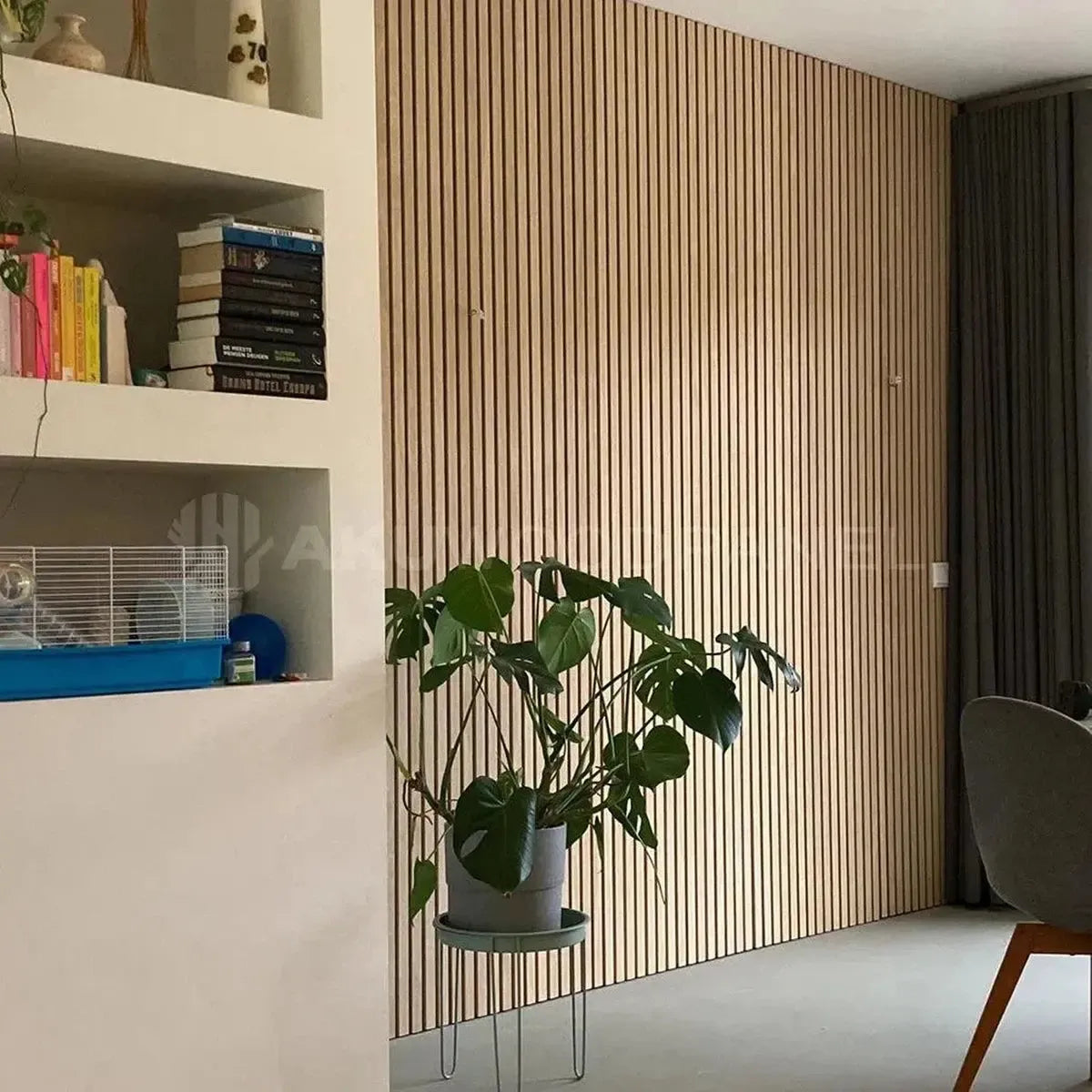
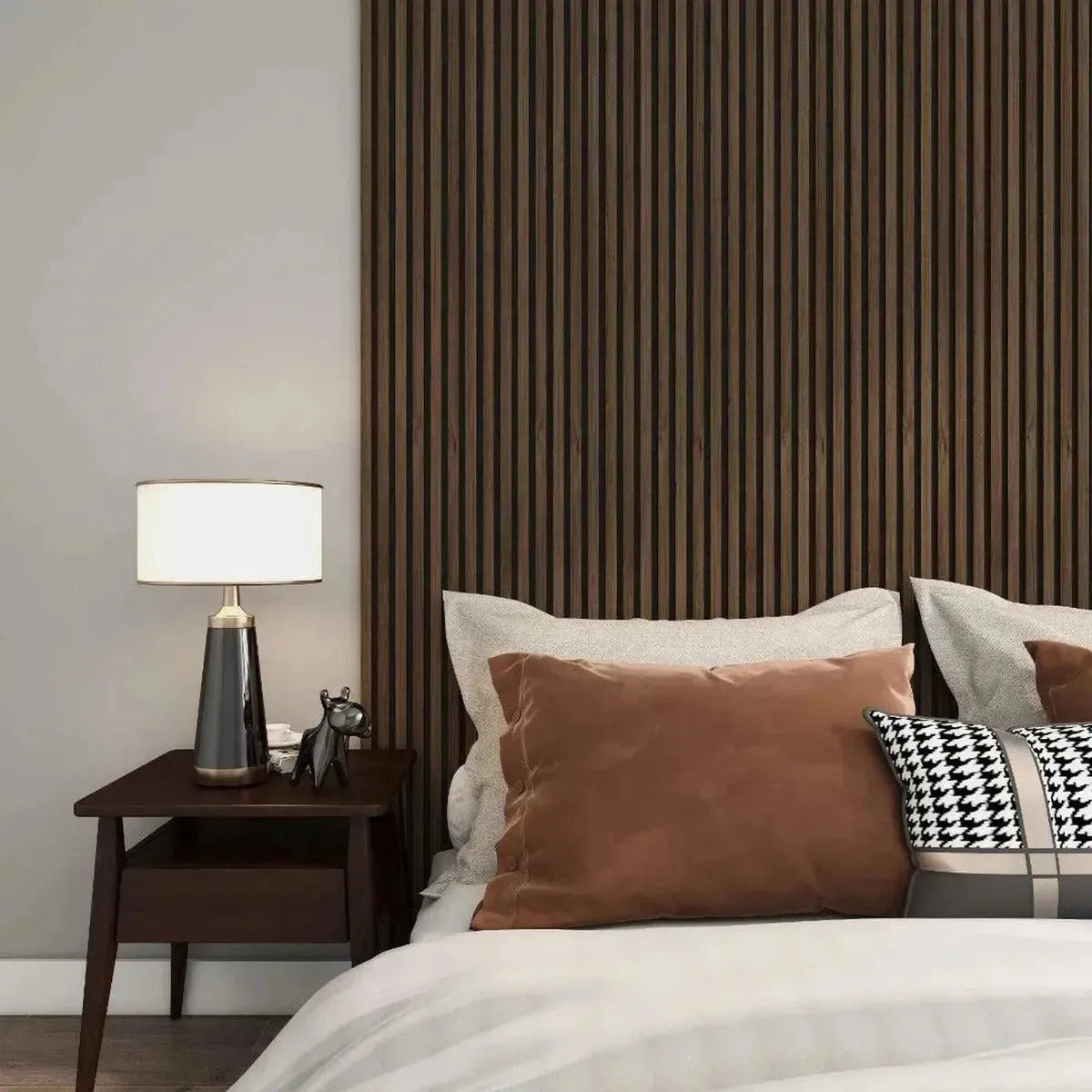
- Full-length slat panels on a narrow foyer wall. The vertical linear grain suits open living room or hallway runs, not a tight 4-to-6-foot entry wall where the lines get cut off awkwardly at both ends.
- Exterior-rated panels used indoors. Exterior wall panels are built for weather exposure and cost more than needed for an interior foyer that never sees rain.
- Skipping the sample step. A foyer's lighting is unlike any other room — it often gets only door-glass light and a single overhead fixture. A finish that looks right on a screen or in a showroom can read completely differently once it's on your actual wall.
Verdict comparison
| Panel | Pattern | Best foyer width | Light needs | Verdict |
|---|---|---|---|---|
| Hexagon Acoustic Panel, Natural Oak | Six-sided hexagon | 4-10 ft | Any lighting | Buy |
| 3D Wood Wall Panel, White Oak Wood Tile | Raised 3D tile | 6-10 ft | Strong side light | Buy |
| Hexagon Acoustic Panel, Walnut | Six-sided hexagon | 4-10 ft | Any lighting | Buy |
| Hexagon Acoustic Panel, Black | Six-sided hexagon | 6-10 ft | Bright entries only | Consider |
| Full slat panels | Linear vertical | 12+ ft | Any lighting | Skip for foyers |
FAQ
What's the best wood mosaic panel for a small foyer? The Hexagon Acoustic Panel in Natural Oak is the best fit for most small entries in 2026 because its tight six-sided repeat avoids awkward partial-tile cuts on narrow walls under 10 feet wide.
Is a 3D wood tile panel better than a flat hexagon panel for an entryway? It depends on light, not preference — the 3D Wood Wall Panel in White Oak Wood Tile needs strong side light from a door sidelight or window to show its shadow lines, while the flat hexagon pattern reads well under any lighting condition.
Do wood mosaic panels help with foyer echo? Panels with a felt backing layer, like the gray-felt hexagon options, cut down on the flutter echo common in foyers that combine hard floors with hard walls, since there's usually no soft furniture in an entry to absorb sound naturally.
Should I order a sample before buying wood mosaic panels for my entryway? Yes — foyer lighting is unusual, often limited to door glass and a single overhead fixture, so a finish that looks right in a photo can read differently once it's on your actual wall.
Can wood mosaic panels go around a foyer corner or return wall? Yes, with matching end pieces designed to finish a cut edge cleanly at a corner instead of leaving raw substrate exposed, which matters more in a foyer than on an uninterrupted living room wall.
Is walnut or natural oak better for a foyer accent wall? Natural oak opens up a foyer with a dark floor, while walnut reads sharper and more formal against light stone or pale hardwood — match the panel to your existing floor and door trim, not the swatch alone.
How wide does a foyer wall need to be for a hexagon mosaic panel? Hexagon panels work on walls as narrow as 4 feet because the small tile repeat scales down without awkward cuts, unlike full slat panels that need 12 feet or more of open run to look intentional.
Do black wood panels work in a foyer with no natural light? Not well — black oak hexagon panels need bright, direct, or strong overhead lighting to read as a pattern rather than a flat dark wall, so a windowless foyer is a poor match for the darkest finish.
One last thing
The detail most people miss on a foyer wall isn't the panel color, it's the corner. A mosaic pattern that looks sharp head-on can look unfinished the moment you turn the corner into a hallway or closet return, which is why matching end pieces matter more here than on any open living room wall you'll pick a panel for in 2026.

 Better performance and aesthetic appeal
 In Stock