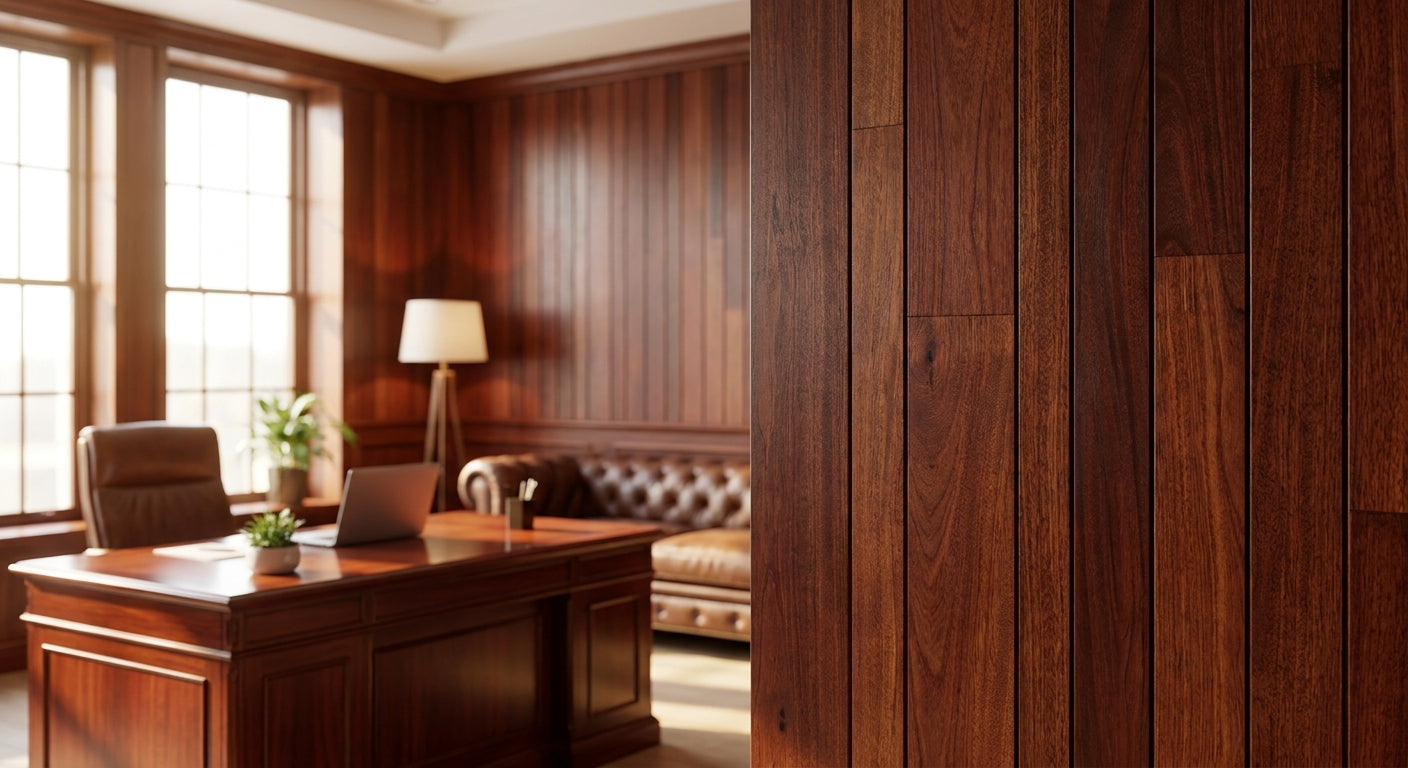
Executive offices don't get to use "real wood" as an excuse for bad acoustics or dated paneling — and if you've been searching for mahogany wood wall panels for office use, here's the fact nobody tells you upfront: true mahogany veneer isn't a stocked catalog item at AKU Woodpanel, or at most panel manufacturers selling in the US in 2026. What you actually want is the tone mahogany is known for — deep reddish-brown warmth that reads as authority, not the specific tree species.
- No true mahogany veneer exists in the AKU Woodpanel catalog in 2026 — Walnut is the closest tonal match. Buy.
- Black Oak delivers the darkest boardroom look but skews cooler than mahogany's red-brown warmth. Buy for contrast walls.
- Smoked Oak reads gray, not mahogany — Skip it if the brief calls for warm executive tones.
- A single Fluted Wall Panel runs $233.95; samples start at $2.50 for testing tone against your lighting.
Why this matters
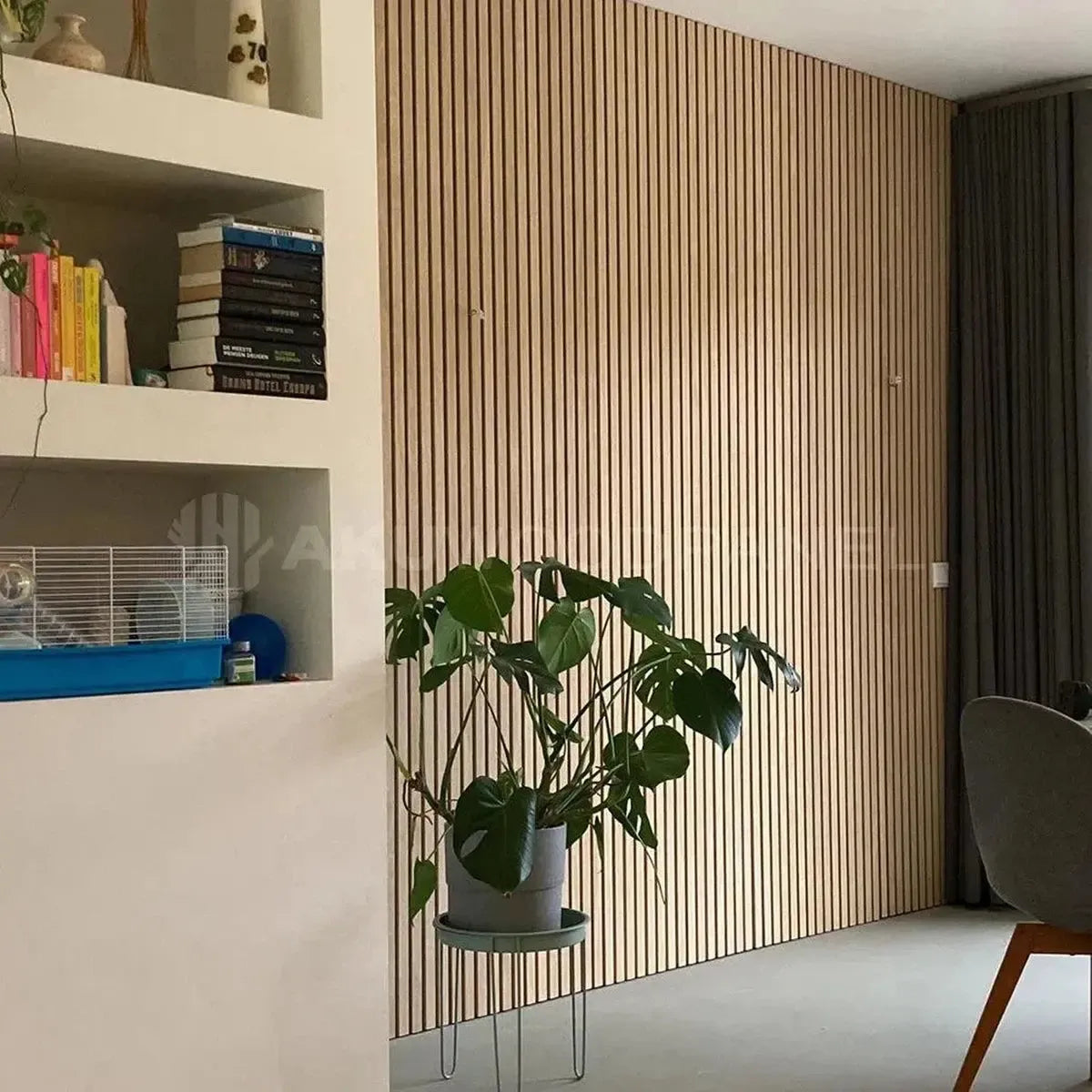
Executive offices and boardrooms get judged on first impression before anyone opens their laptop. A wall that looks like builder-grade drywall undercuts every other design decision in the room, and hard, flat surfaces amplify voices in a way that makes ten-person meetings sound like a shouting match. AKU Woodpanel sells acoustic slat wall panels with real 3-sided wood veneer specifically to solve both problems at once — sound absorption and a finished look — without anyone in the room needing to know it's not solid mahogany.
Mahogany's reputation comes from law offices and private clubs built decades ago, but the color story — reddish-brown, warm, slightly formal — is what actually reads as "executive" to a visitor walking in. That's the standard every pick below gets measured against.
How this list is ranked
Every panel here is scored against three things an executive office actually needs in 2026: how close the veneer tone sits to mahogany's warm red-brown, whether the panel is sold as acoustic (slat, felt-backed) versus purely decorative, and how the finish holds up under office lighting and daily foot traffic near reception and boardroom walls. Panels that lean gray or cool-toned get marked down even if they're otherwise well-built, because color mismatch is the single fastest way an executive wall project gets rejected by a design committee.
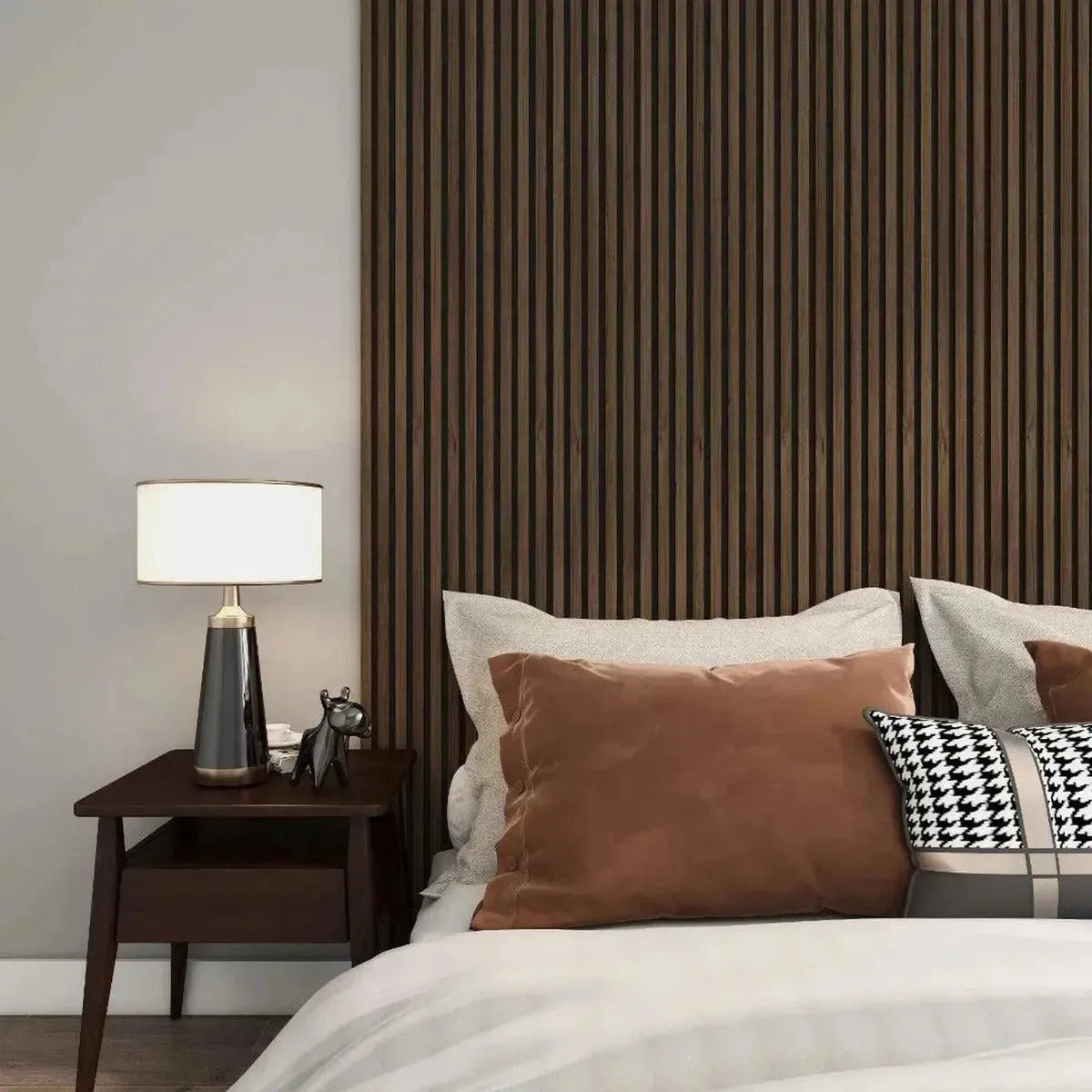
1. Acoustic Slat Wall Panel — Walnut
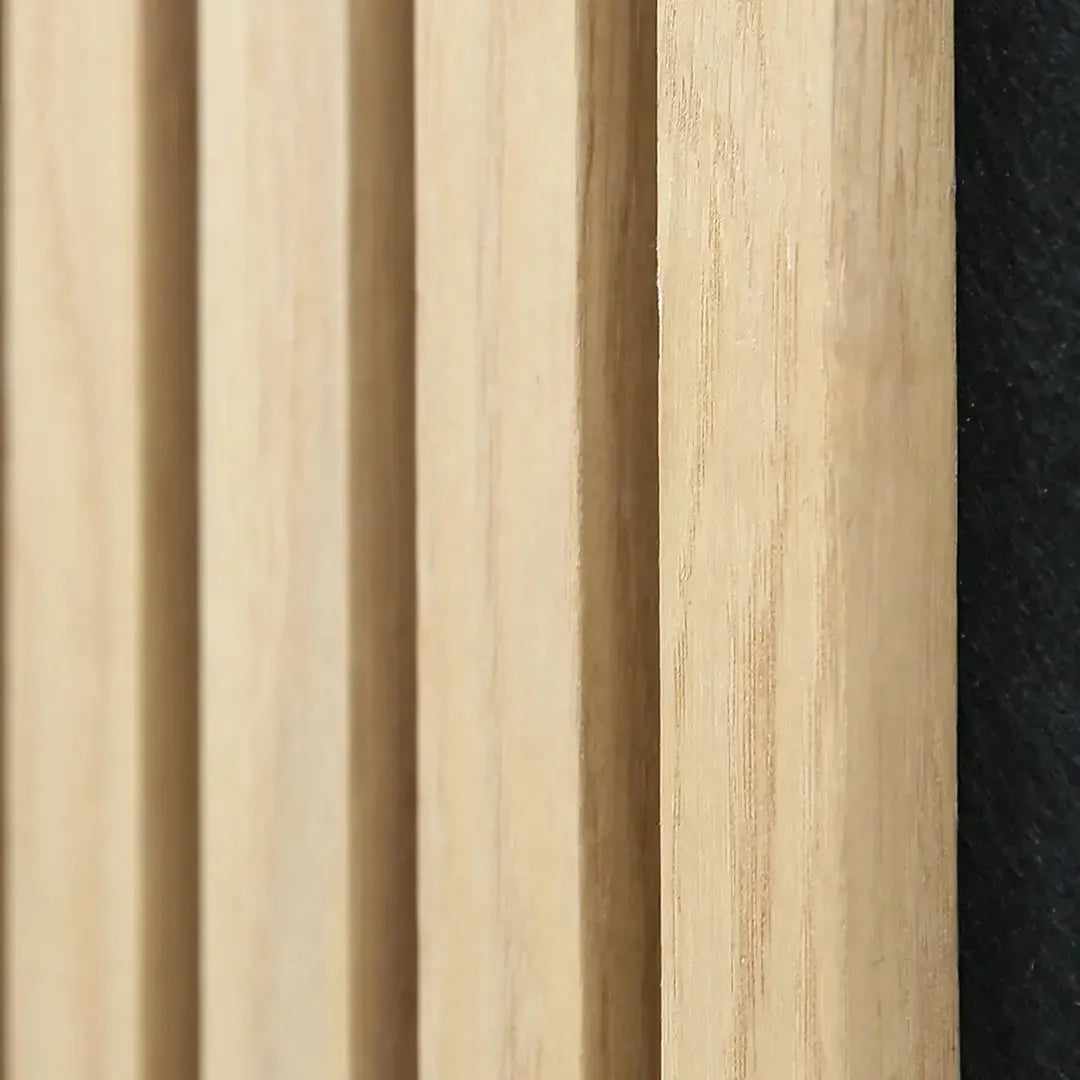
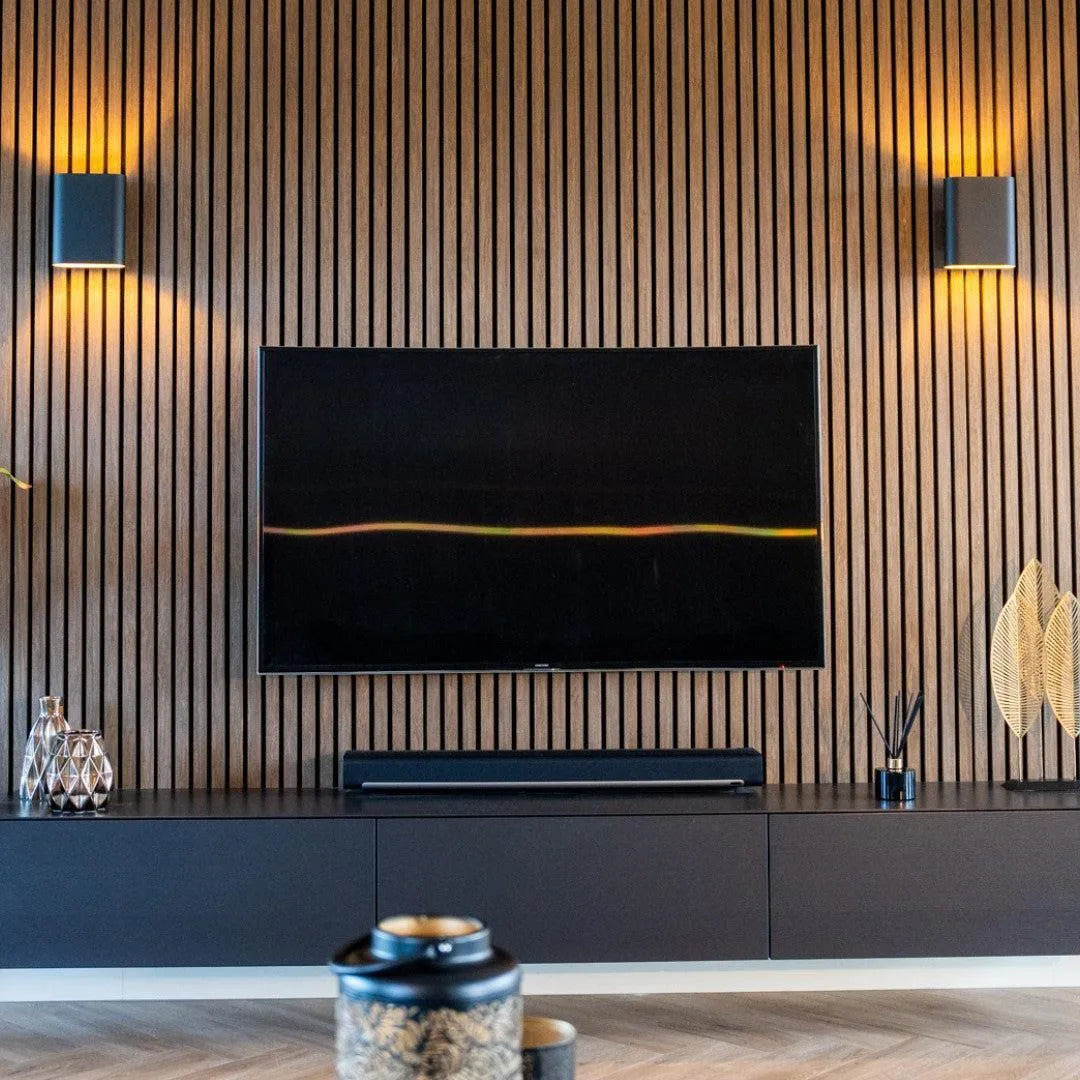
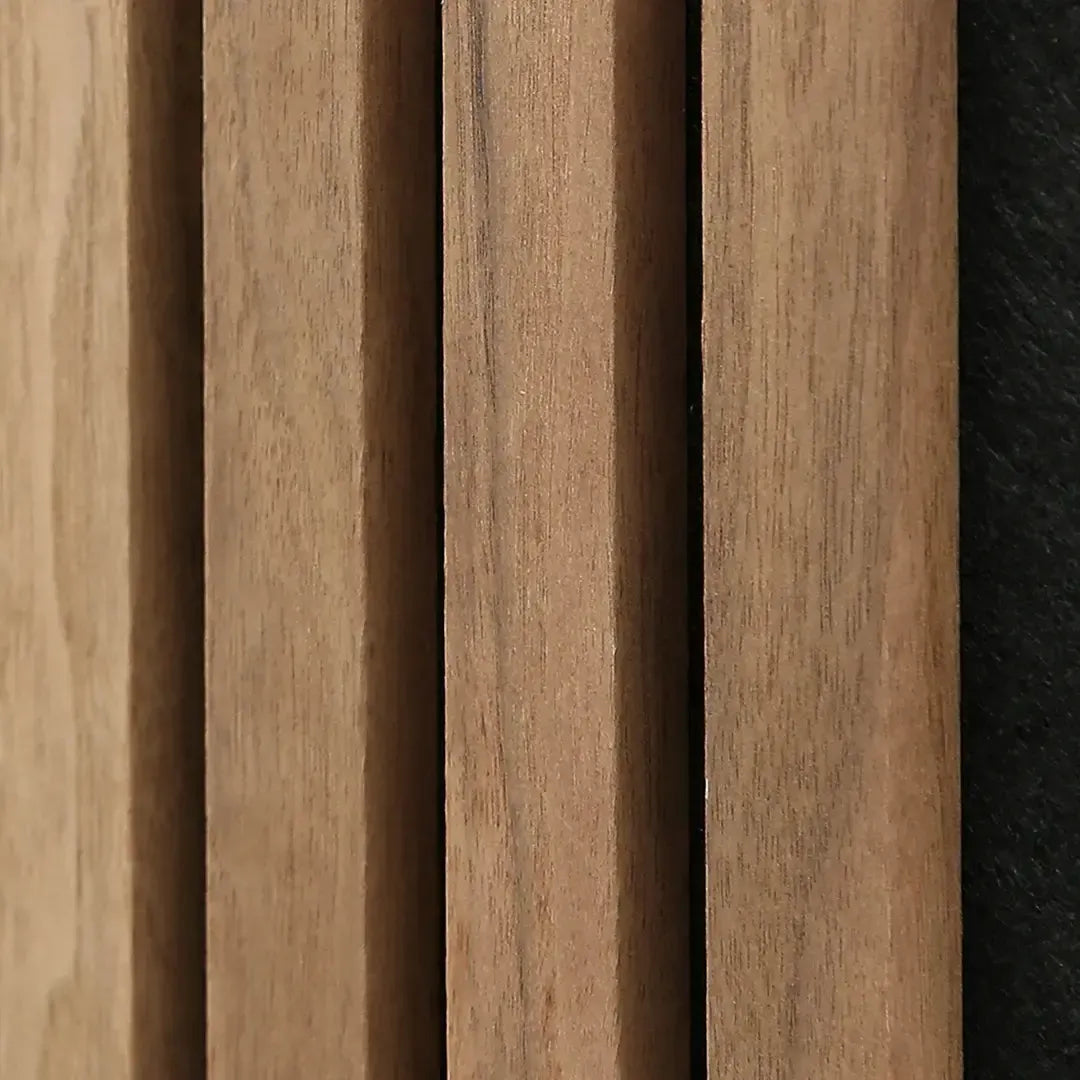
The closest real-world stand-in for mahogany in the current catalog. Walnut veneer carries the same reddish-brown depth mahogany is known for, and it's built as an acoustic slat panel with a 3-sided wood veneer face, not a flat decorative sheet. It's the pick for boardrooms and private offices where the wall needs to look premium and quiet meetings down at the same time. Verdict: Buy — it's the single best mahogany-adjacent option AKU Woodpanel carries.
Acoustic Slat Wall Panel in Walnut
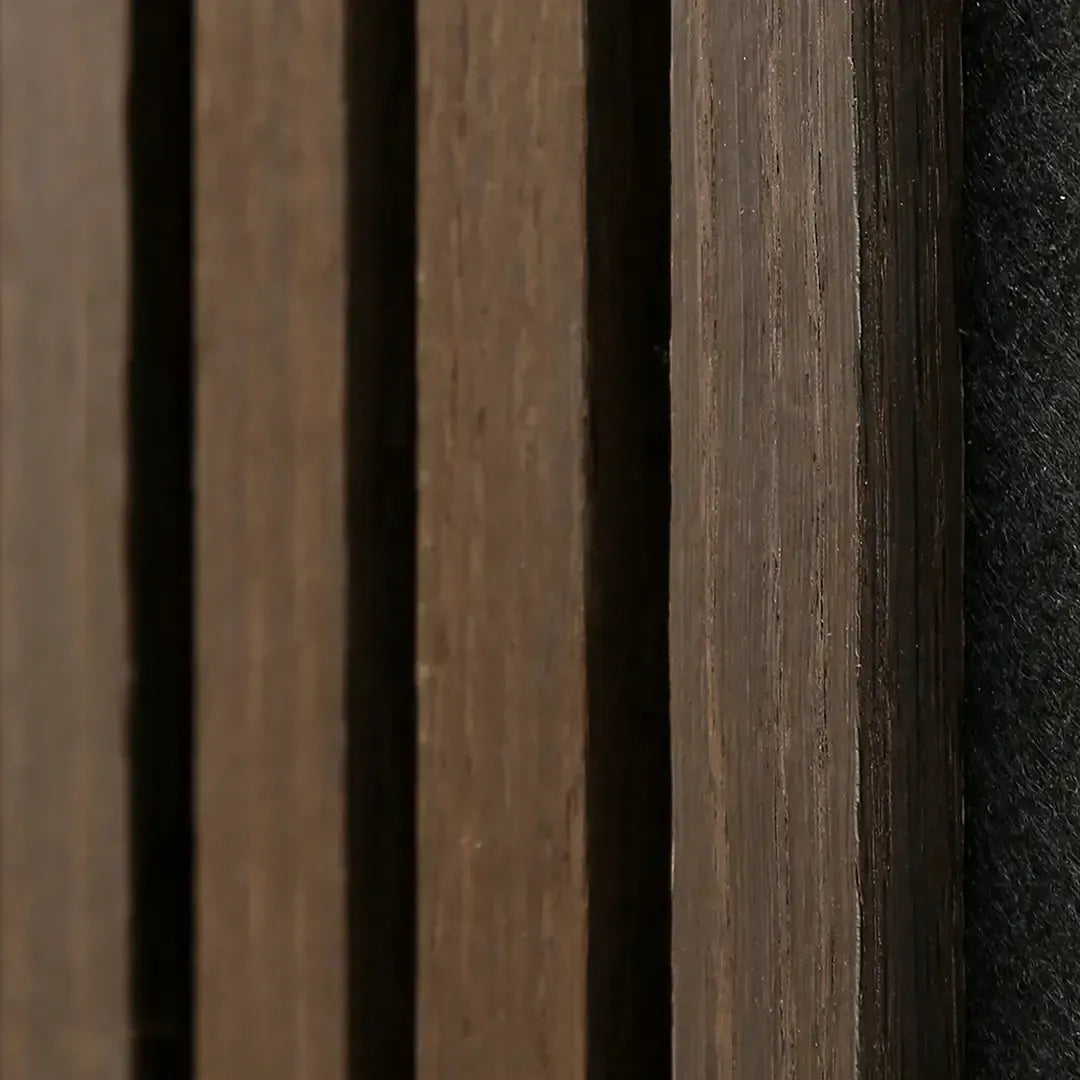
2. Acoustic Slat Wall Panel — Black Oak
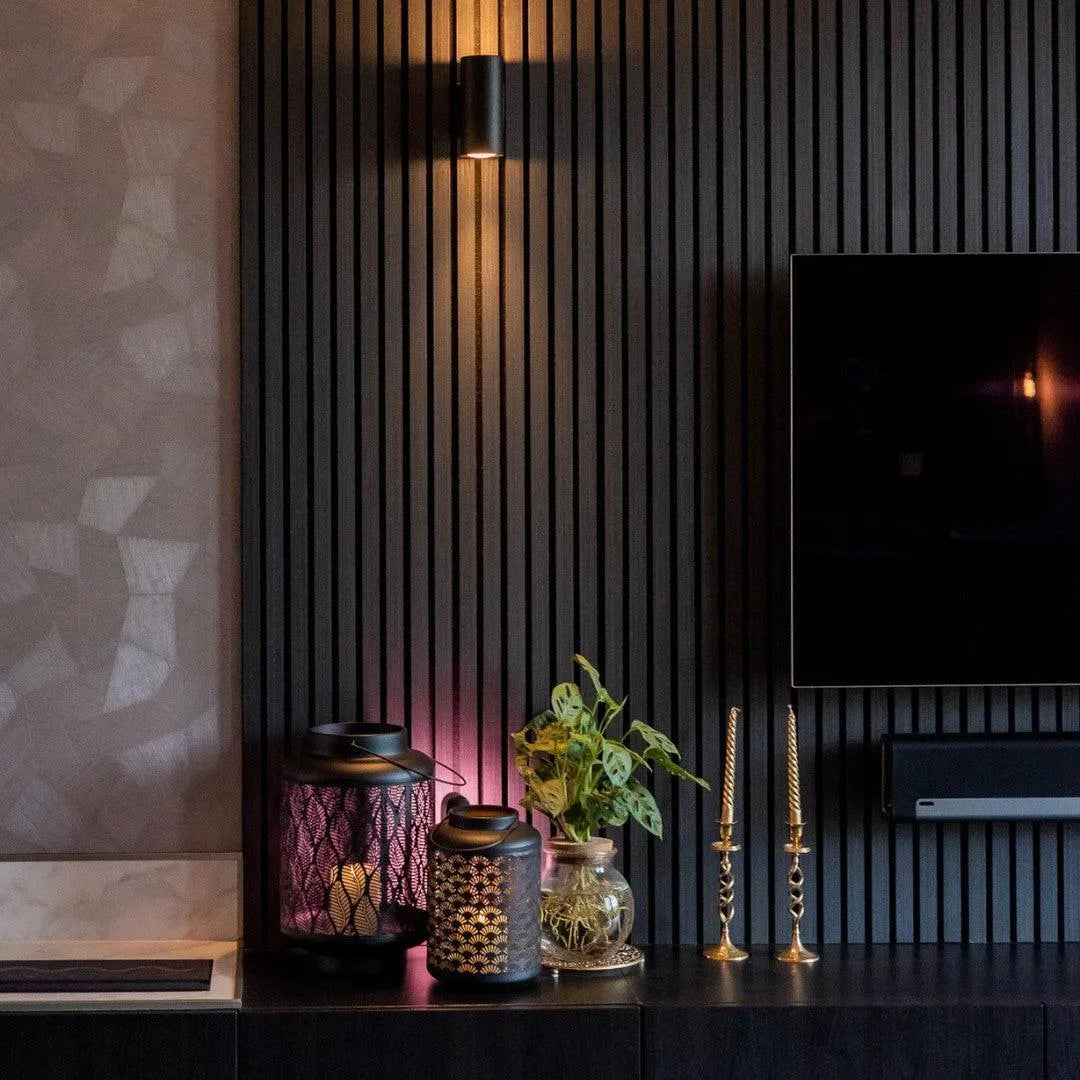
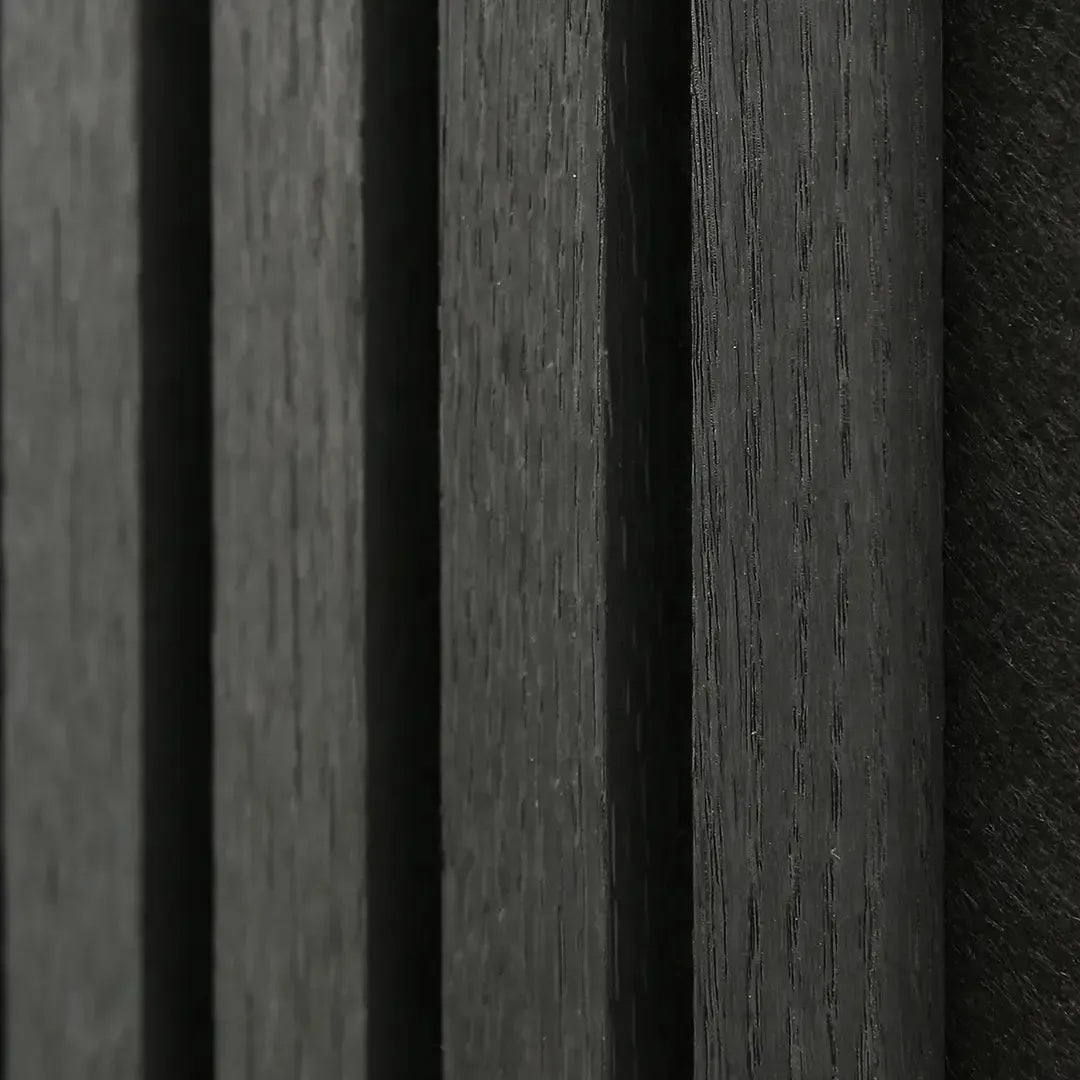
The darkest option in the acoustic slat lineup, and a strong pick for a contrast accent wall behind an executive desk rather than a full-room treatment. Black Oak skews cooler and more neutral-dark than mahogany's warmth, so it works better paired with brass or warm-toned furniture to pull the room back toward that reddish register. Verdict: Buy for accent walls, not full-room mahogany replication.
Acoustic Slat Wall Panel in Black Oak
3. Fluted Wall Panel — Walnut, Modern Flexible Design
A fluted profile in the same Walnut tone as pick #1, priced at $233.95 per panel for the flexible MDF-backed version. The vertical groove reads more contemporary than a classic slat wall, which suits offices that want mahogany's warmth without a traditional-clubroom feel. Verdict: Consider if the brief is modern-executive rather than heritage-executive.
4. 3D Wood Wall Panel — Deep Dusk Walnut Wood Tile
A textured 3D tile format in a deep Walnut finish, best used as a feature strip behind a reception desk or on a single accent wall rather than wall-to-wall coverage. It reads more sculptural than acoustic-functional, so it's a design statement first. Verdict: Consider for reception areas, not for meeting rooms that need sound control.
5. Hexagon Acoustic Panel — Walnut
Same Walnut veneer tone in a geometric hexagon module instead of a linear slat. Good for offices that want mahogany's color story but a less corridor-like visual pattern. Coverage takes more planning since hexagons interlock rather than run in straight rows. Verdict: Consider for design-forward executive suites.
6. Acoustic Slat Wall Panel — Smoked Oak
Smoked Oak reads gray-brown under most office lighting, not reddish-brown, which puts it furthest from a true mahogany look on this list. It's a strong panel on its own merits for other rooms, but if the goal is specifically "mahogany for office," this one misses the brief. Verdict: Skip for this specific use case.
Comparison table
| Panel | Tone match to mahogany | Format | Verdict |
|---|---|---|---|
| Walnut Acoustic Slat | Closest | Acoustic slat, 3-sided veneer | Buy |
| Black Oak Acoustic Slat | Cooler/darker | Acoustic slat | Buy (accent) |
| Fluted Walnut | Close, modern | Flexible fluted, $233.95 | Consider |
| Deep Dusk Walnut 3D Tile | Close, textured | 3D tile, feature use | Consider |
| Hexagon Walnut | Close, geometric | Hexagon acoustic | Consider |
| Smoked Oak Slat | Furthest | Acoustic slat | Skip |
Where to source it
- Order a sample first. A $2.50 sample panel tells you more about how Walnut or Black Oak reads under your specific office lighting than any product photo will in 2026.
- Match tone to furniture, not the other way around. Walnut pairs with brass and warm leather; Black Oak pairs better with cooler metals and neutral upholstery.
- Check acoustic needs by room. A private office needs less absorption than an open conference room — read up on acoustic panels built specifically for corporate boardroom walls before committing to a full room order.
FAQ
Do mahogany wood wall panels for office use actually exist?
True mahogany veneer panels aren't a common stocked catalog item in 2026 — Walnut acoustic slat panels are the closest tonal match sold as ready-to-install office panels.
Is Walnut a good substitute for mahogany in an executive office?
Yes. Walnut veneer carries the same reddish-brown warmth mahogany is known for and comes in an acoustic slat format built for office walls.
How much does a wood wall panel cost for an office?
A single Fluted Wall Panel runs $233.95, while a test sample costs $2.50 to $3 — order a sample before committing to a full-room quantity.
Do wood wall panels reduce noise in a boardroom?
Acoustic slat wall panels are built to absorb sound rather than reflect it, which is why they're specified for boardrooms and open offices over flat decorative paneling.
Is Black Oak too dark for an executive office?
Black Oak works well as an accent wall behind a desk but reads cooler than mahogany's warmth, so it's better paired with warm-toned furniture than used as the sole wall finish.
What's the difference between Smoked Oak and Black Oak panels?
Smoked Oak reads gray-brown under office lighting while Black Oak reads darker and more neutral — neither matches mahogany's red-brown warmth as closely as Walnut.
Can you order a sample before buying full panels?
Yes, sample panels are priced separately from full runs and are the recommended first step before ordering enough panels to cover an office wall.
Are fluted panels a good fit for executive offices?
Fluted Walnut panels work well for a more contemporary executive look, while flat acoustic slat panels suit a more traditional boardroom feel.
One last thing
The detail most people miss: mahogany's reputation for looking "expensive" has more to do with grain depth and sheen than the species itself, which is exactly why a well-lit Walnut acoustic slat wall reads as premium as any solid mahogany paneling did in older law offices — at a fraction of the weight and installation complexity, and with the sound absorption those old rooms never had.
 Better performance and aesthetic appeal
 In Stock